
City Details
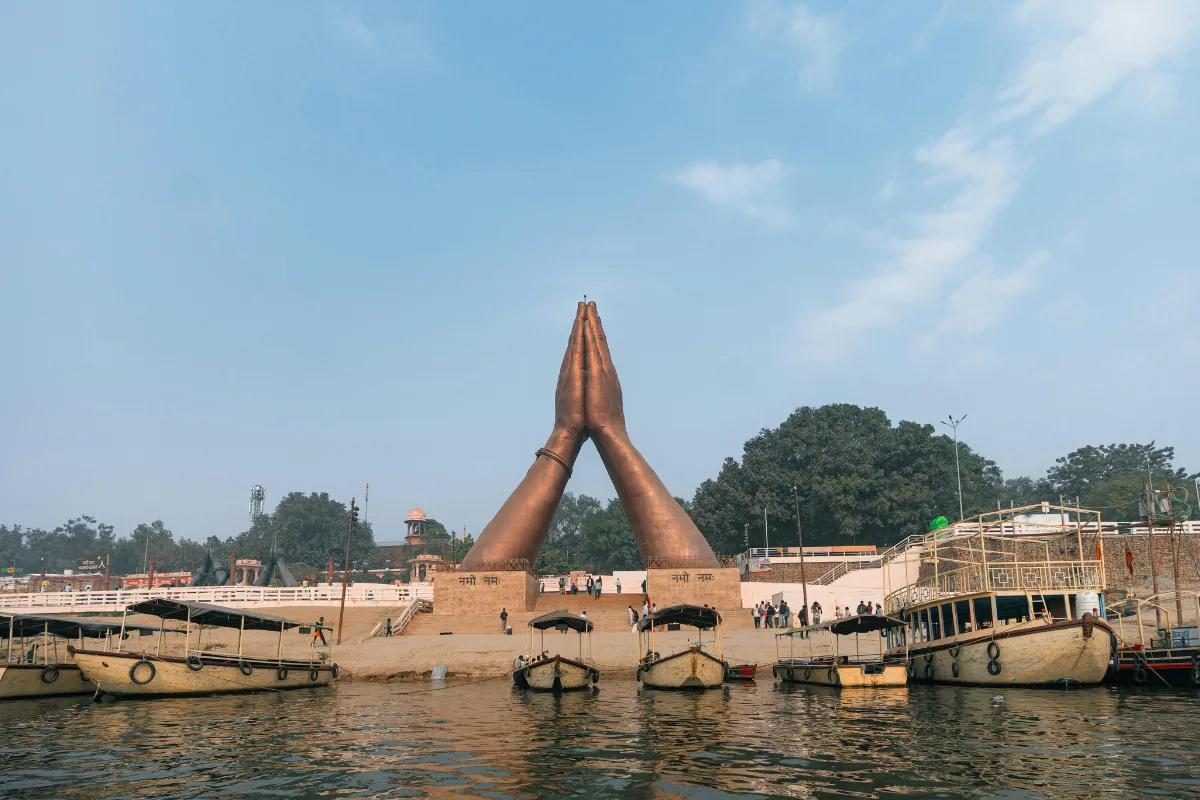
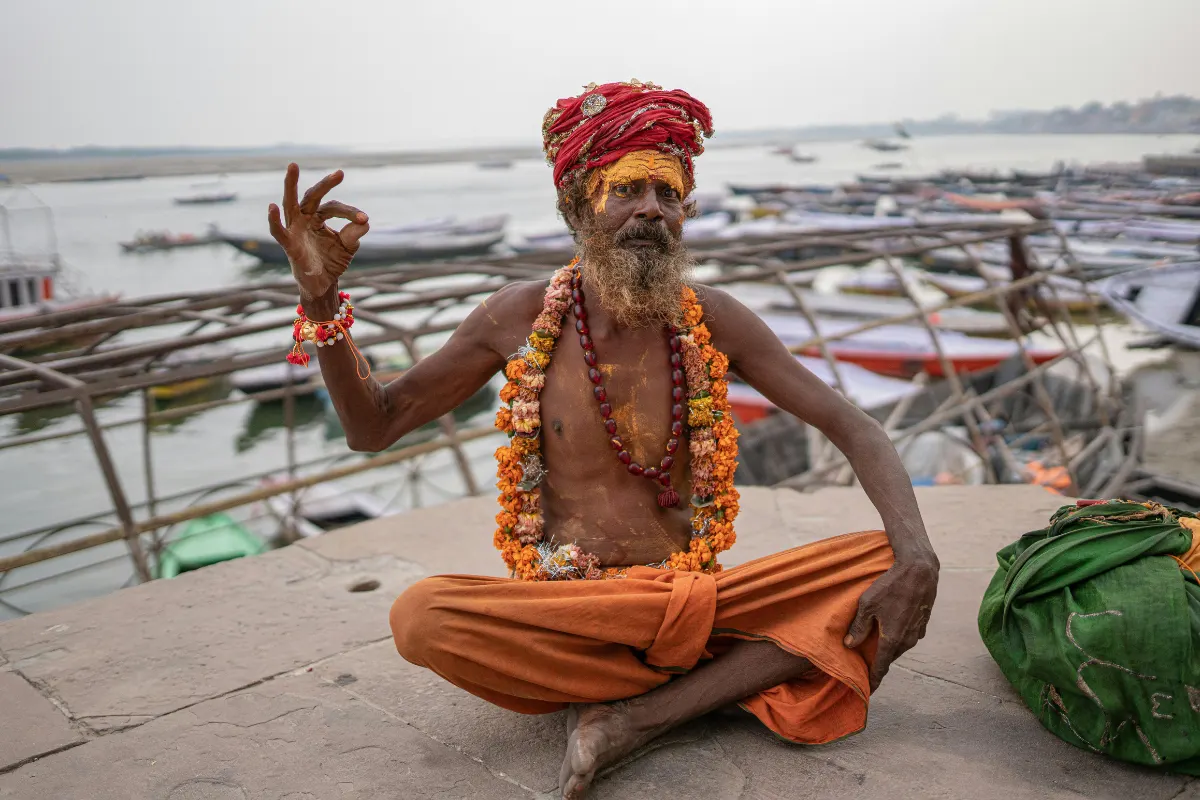
Experience Varanasi's Sacred Ghats, Temples, Culture, and Spirituality
Varanasi – The Spiritual Heart of India
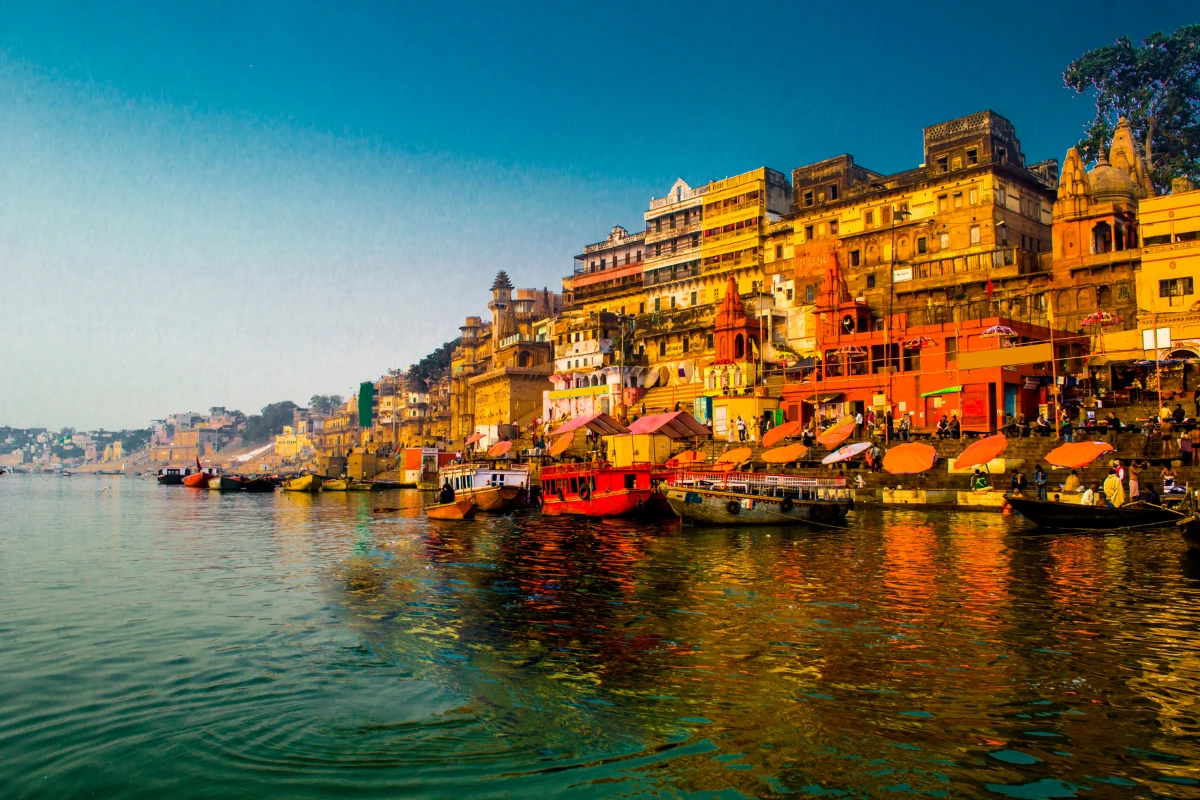
Varanasi, also known as Kashi or Banaras, is one of the world's oldest continuously inhabited cities and India's spiritual capital. Situated on the sacred banks of the River Ganges in Uttar Pradesh, Varanasi has been a centre of Hindu philosophy, culture, education, and devotion for over 3,000 years. According to Hindu tradition, the city was founded by Lord Shiva and is believed to be the gateway to salvation (Moksha).
Famous for its ancient temples, sacred ghats, mesmerising Ganga Aarti, vibrant markets, silk weaving traditions, and spiritual atmosphere, Varanasi attracts millions of pilgrims and travellers every year. Whether you come to witness centuries-old rituals, explore narrow alleyways, enjoy a sunrise boat ride, or experience authentic Indian spirituality, Varanasi offers an unforgettable journey unlike anywhere else in the world.
Top Tourist Attractions in Varanas
Varanasi is home to some of India's most sacred temples, historic ghats, and cultural landmarks. Every corner of the city reflects centuries of faith, history, and living traditions.
Kashi Vishwanath Temple – One of India's Holiest Shrines
The Kashi Vishwanath Temple, dedicated to Lord Shiva, is among the twelve sacred Jyotirlingas and one of the most revered Hindu temples in India. Rebuilt in the 18th century by Queen Ahilyabai Holkar, the temple is famous for its magnificent gold-plated spire and deep spiritual significance.
Thousands of devotees visit daily to seek blessings, making it the spiritual heart of Varanasi. The newly developed Kashi Vishwanath Corridor has greatly enhanced access between the temple and the Ganges River.
Local Expert Tip: Visit early in the morning to experience the Mangala Aarti and avoid long queues.
Dashashwamedh Ghat
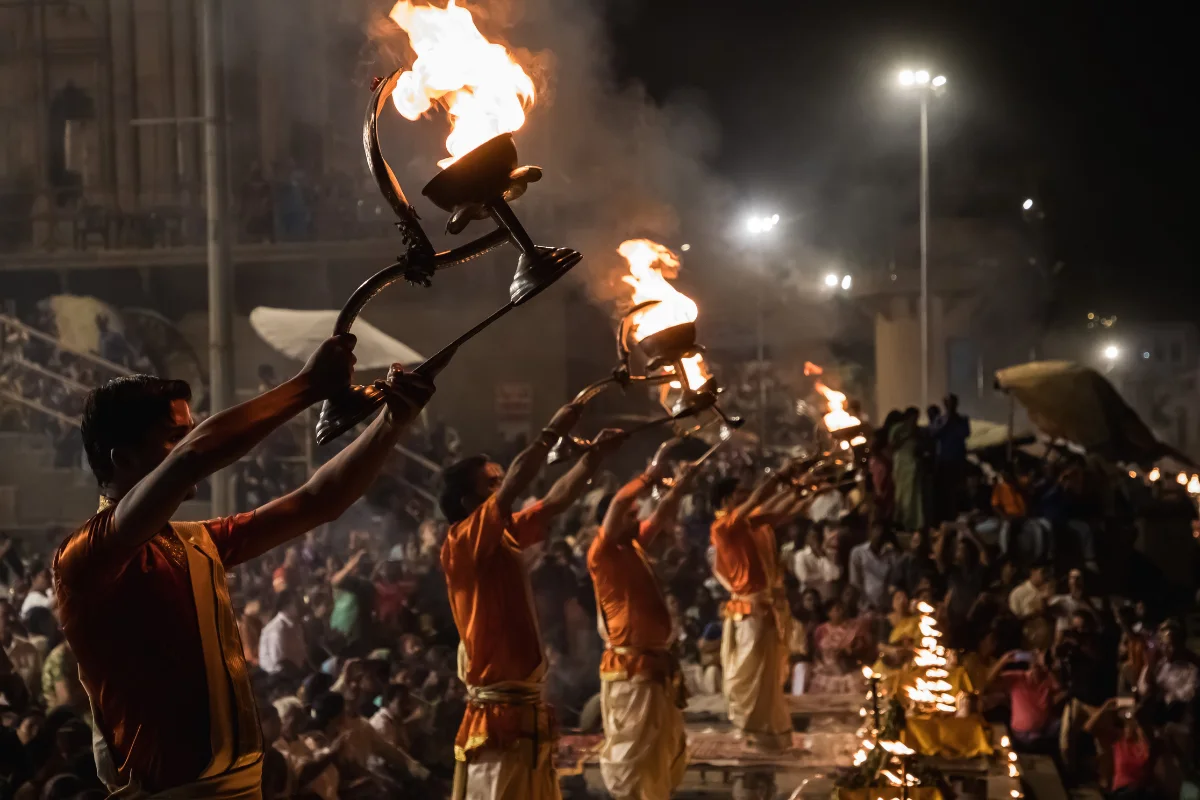
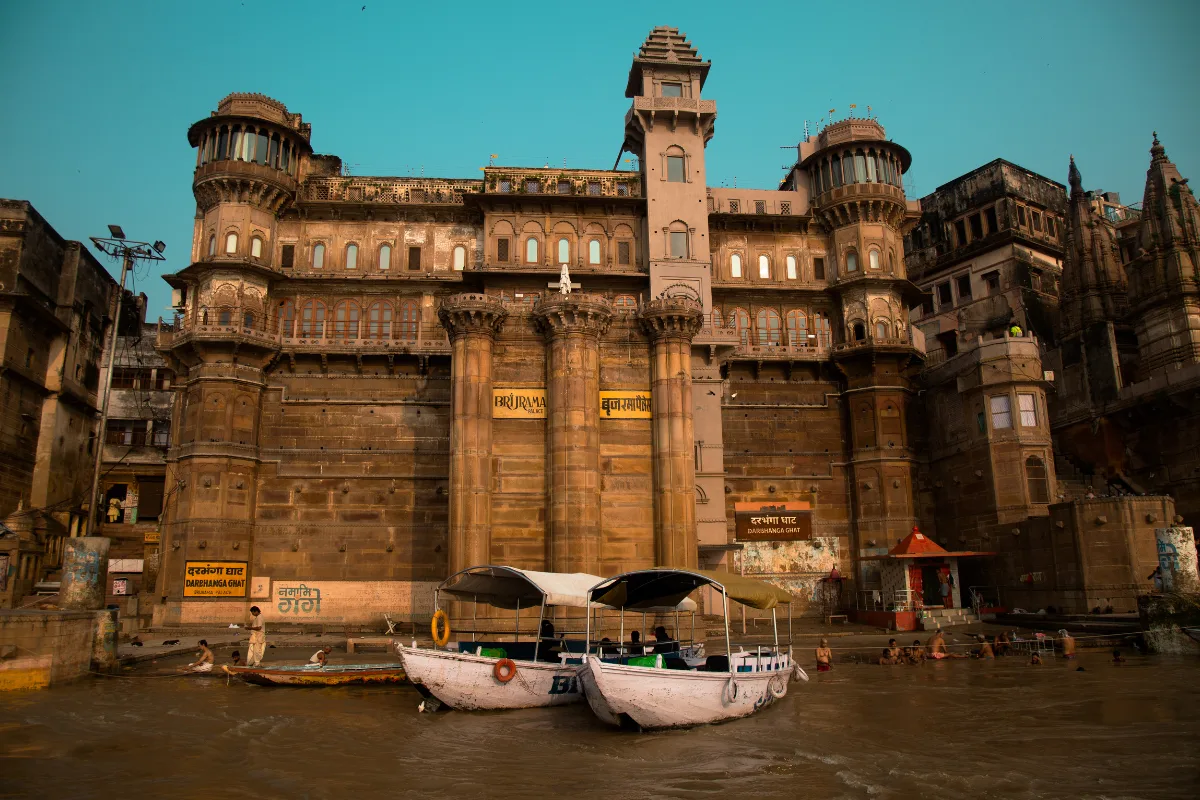
The most famous of Varanasi's more than eighty ghats, Dashashwamedh Ghat is the city's spiritual centre. Every evening, priests perform the spectacular Ganga Aarti, a beautifully choreographed ceremony of lamps, incense, chanting, and devotional music that attracts thousands of visitors.
Watching the ceremony from a boat on the Ganges offers one of the most unforgettable experiences in India.
Assi Ghat
Located at the southern end of the city, Assi Ghat is popular among pilgrims, students, and travellers. Sunrise yoga sessions, devotional music, cultural programmes, and peaceful morning boat rides make it one of Varanasi's most relaxing ghats.
It is also an excellent place to witness the city awakening each morning.
Sarnath
Just 10 kilometres from Varanasi lies Sarnath, one of Buddhism's holiest pilgrimage sites. It was here that Lord Buddha delivered his first sermon after attaining enlightenment.
Visitors can explore the impressive Dhamek Stupa, ancient monastery ruins, the Archaeological Museum, Ashoka Pillar site, and peaceful gardens that preserve the area's spiritual legacy.
Hidden Gems in Varanasi
Beyond its famous temples and ghats, Varanasi offers countless hidden treasures.
Manikarnika Ghat, one of Hinduism's most sacred cremation grounds, offers profound insight into the city's spiritual philosophy and beliefs surrounding life and death.
The beautifully restored Ramnagar Fort, located across the Ganges, houses a fascinating museum displaying royal artefacts, vintage cars, weapons, manuscripts, and astronomical clocks.
Visitors seeking tranquillity should explore Tulsi Ghat, known for its peaceful atmosphere and association with the poet Tulsidas, author of the Ramcharitmanas.
Temples and Spiritual Sites
Varanasi is home to thousands of temples, each contributing to the city's sacred identity.
The Sankat Mochan Hanuman Temple, founded by the poet Tulsidas, is one of the city's most visited temples and attracts devotees throughout the year.
The Durga Temple, often called the Monkey Temple, is admired for its striking red architecture and religious importance.
The New Vishwanath Temple at Banaras Hindu University is an impressive modern temple open to visitors of all faiths.
The peaceful Nepali Temple, built in traditional Nepalese style near Lalita Ghat, offers a unique architectural contrast to Varanasi's other temples.
Things to Do in Varanasi
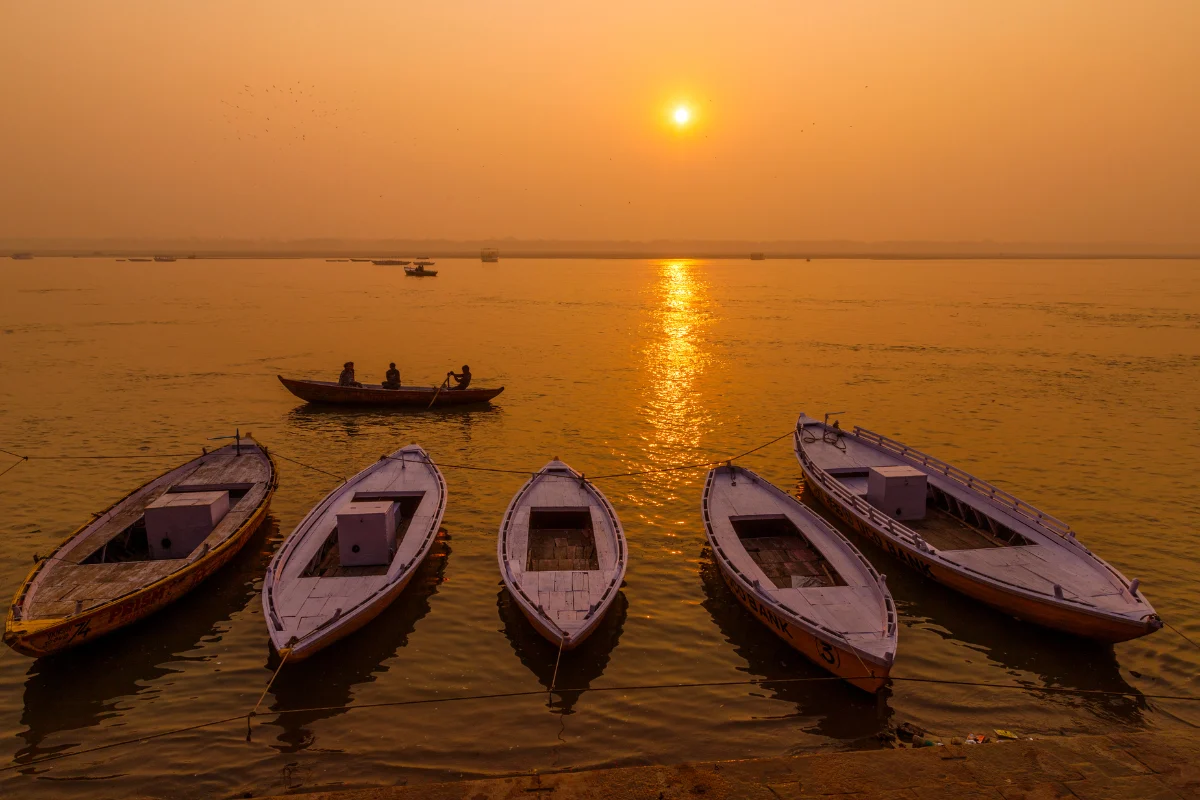
Take a sunrise boat ride along the River Ganges to witness pilgrims performing centuries-old rituals as the city awakens.
Attend the evening Ganga Aarti at Dashashwamedh Ghat for one of India's most extraordinary spiritual experiences.
Join a guided heritage walk through the narrow lanes of the old city, discovering hidden shrines, ancient temples, traditional sweet shops, and historic courtyards.
Visit a Banarasi silk weaving workshop to see master craftsmen creating the world-famous handwoven silk sarees.
Explore Sarnath to learn about the origins of Buddhism and its profound influence on world history.
Shopping Guide
Varanasi is world-renowned for its luxurious Banarasi silk sarees, fine textiles, handcrafted wooden toys, brassware, stone carvings, religious artefacts, and traditional musical instruments.
The bustling Godowlia Market and Vishwanath Gali are excellent places to shop for silk, handicrafts, souvenirs, spices, and local sweets.
Visitors looking for authentic Banarasi silk should purchase directly from government-approved emporiums or reputable weaving families.
Local Tip: Ask for a handloom certificate when purchasing high-quality Banarasi silk sarees.
Where to Eat in Varanasi
Varanasi is famous for its rich street food culture and traditional vegetarian cuisine.
Kashi Chaat Bhandar is a favourite for authentic Banarasi chaat and local snacks.
Baati Chokha Restaurant serves delicious traditional dishes from eastern Uttar Pradesh in a rustic setting.
For spectacular views of the Ganges, Aum Café near Assi Ghat offers Indian and international cuisine in a relaxed riverside atmosphere.
No visit is complete without tasting Banarasi Paan, the city's most famous culinary tradition.
Other local favourites include Kachori Sabzi, Tamatar Chaat, Malaiyyo (winter speciality), Lassi, Jalebi, Rabri, Thandai, and Banarasi sweets.
Festivals in Varanasi
Varanasi celebrates some of India's most vibrant religious and cultural festivals.
Dev Deepawali, celebrated fifteen days after Diwali, transforms the ghats into a breathtaking spectacle as millions of oil lamps illuminate the banks of the Ganges.
Mahashivratri attracts thousands of pilgrims who participate in grand processions honouring Lord Shiva.
The famous Ganga Mahotsav showcases classical music, dance performances, handicrafts, and cultural events along the riverfront.
During Holi and Diwali, the city comes alive with colourful celebrations, devotional music, and festive markets.
Best Time to Visit Varanasi
The best time to visit Varanasi is from October to March, when temperatures range between 10°C and 28°C. Pleasant weather makes this season ideal for temple visits, boat rides, heritage walks, and exploring the city's vibrant markets.
The monsoon season from July to September enhances the beauty of the Ganges, while summer from April to Junecan be extremely hot but offers fewer crowds at major attractions.
Experience Varanasi with Local Guide India
At Local Guide India, we believe Varanasi is far more than its famous ghats. Our knowledgeable local guides introduce you to hidden temples, ancient alleyways, traditional silk weaving workshops, authentic street food, and spiritual experiences that many visitors never discover.
Whether you are planning a pilgrimage, a cultural holiday, or a photography tour, we create personalised journeys that reveal the timeless soul of India's oldest living city.
📱 WhatsApp: +91 8233335370
🌐 Website: www.localguideindia.com
Top Things to do in Varanasi

Other Popular Tour Guides in Varanasi

All Photos (6)