
City Details
Amer-Jaipur-local-guide
Hawa-mahal-Jaipur-local-guide
Jaipur-local-guide
Amer-elephant-safari-Jaipur-local-guide
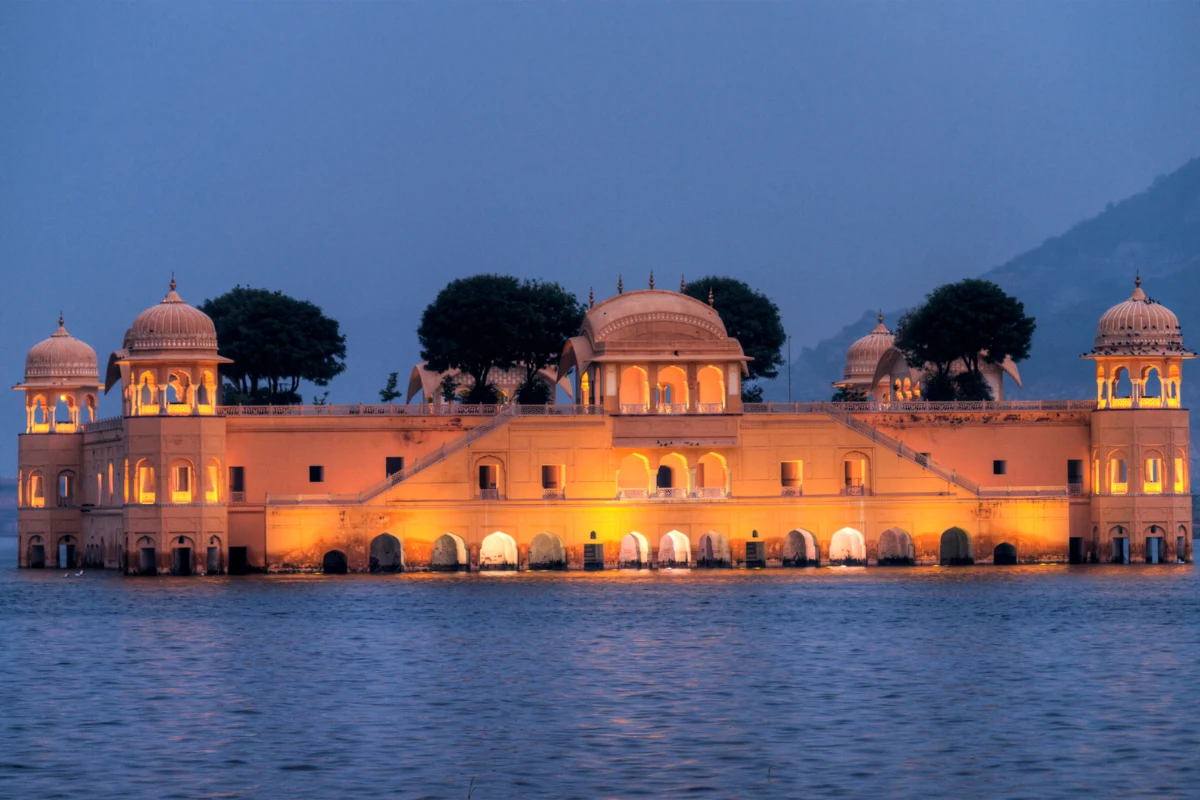
Jal-mahal-Jaipur-local-guide
Amer-Jaipur-local-guide
Hawa-mahal-Jaipur-local-guide
Jaipur-local-guide
Amer-elephant-safari-Jaipur-local-guide
Jal-mahal-Jaipur-local-guide
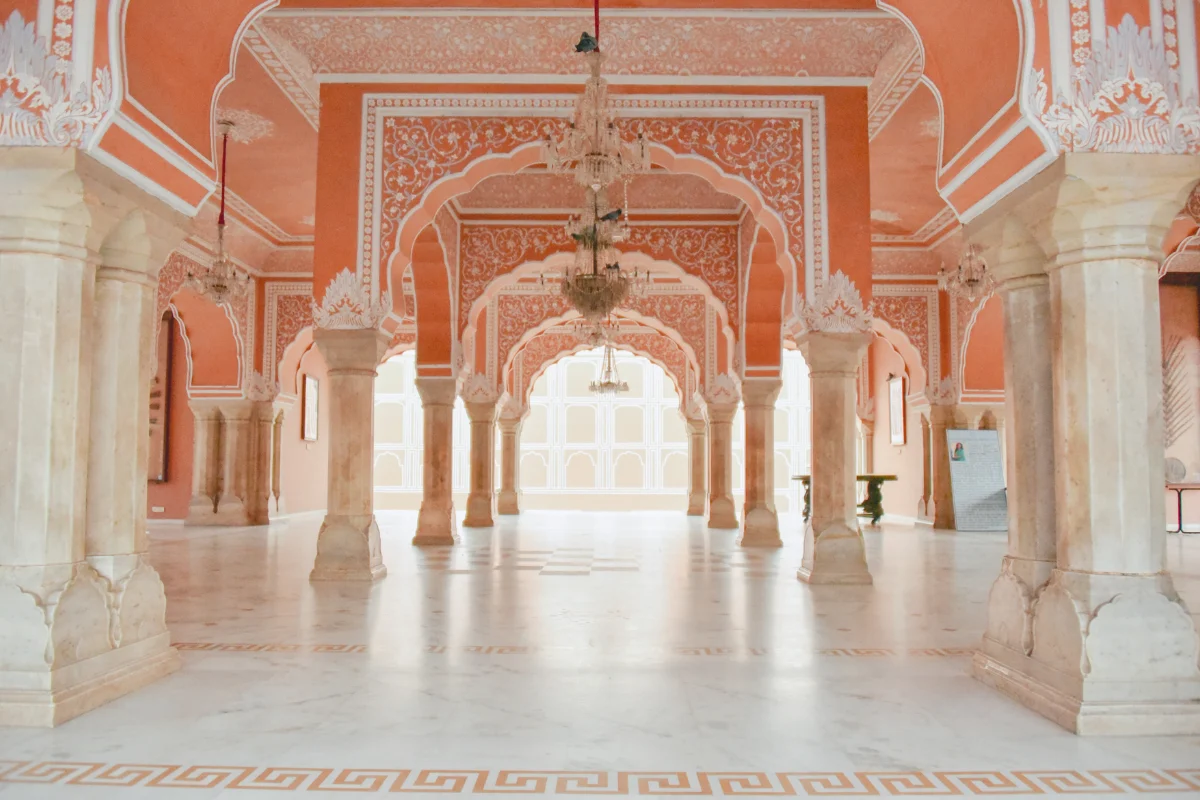
Jaipur-local-guide
Explore Jaipur's royal heritage, hidden gems, vibrant culture, and timeless beauty.
Discover the Pink City – The Royal Jewel of Rajasthan
Jaipur, the vibrant capital of Rajasthan, is one of India's most captivating destinations, where royal history, magnificent architecture, and living traditions blend seamlessly. Founded in 1727 by Maharaja Sawai Jai Singh II of the Kachwaha Rajput dynasty, Jaipur was India's first planned city, designed by the renowned architect Vidyadhar Bhattacharyafollowing the ancient principles of Vastu Shastra. Its broad avenues, well-organised markets, and symmetrical layout were revolutionary for their time. In 1876, the historic city was painted terracotta pink to welcome Albert Edward, Prince of Wales, giving Jaipur its world-famous nickname, "The Pink City," with pink symbolising hospitality and warmth. Today, Jaipur is a UNESCO World Heritage City, celebrated for its majestic forts, royal palaces, colourful bazaars, vibrant culture, and exceptional craftsmanship. Whether you are exploring its historic landmarks or experiencing authentic Rajasthani traditions, Jaipur offers an unforgettable journey through India's royal heritage.
Top Tourist Attractions in Jaipur
Jaipur is home to some of India's most impressive monuments, where every fort and palace reflects the grandeur of the Rajput kingdom. From UNESCO World Heritage Sites to magnificent royal residences, the city offers a perfect blend of history, architecture, and culture. Whether you are visiting Jaipur for one day or planning a longer stay, these iconic attractions should be at the top of your itinerary.
Amber Fort – Jaipur's Most Iconic Landmark
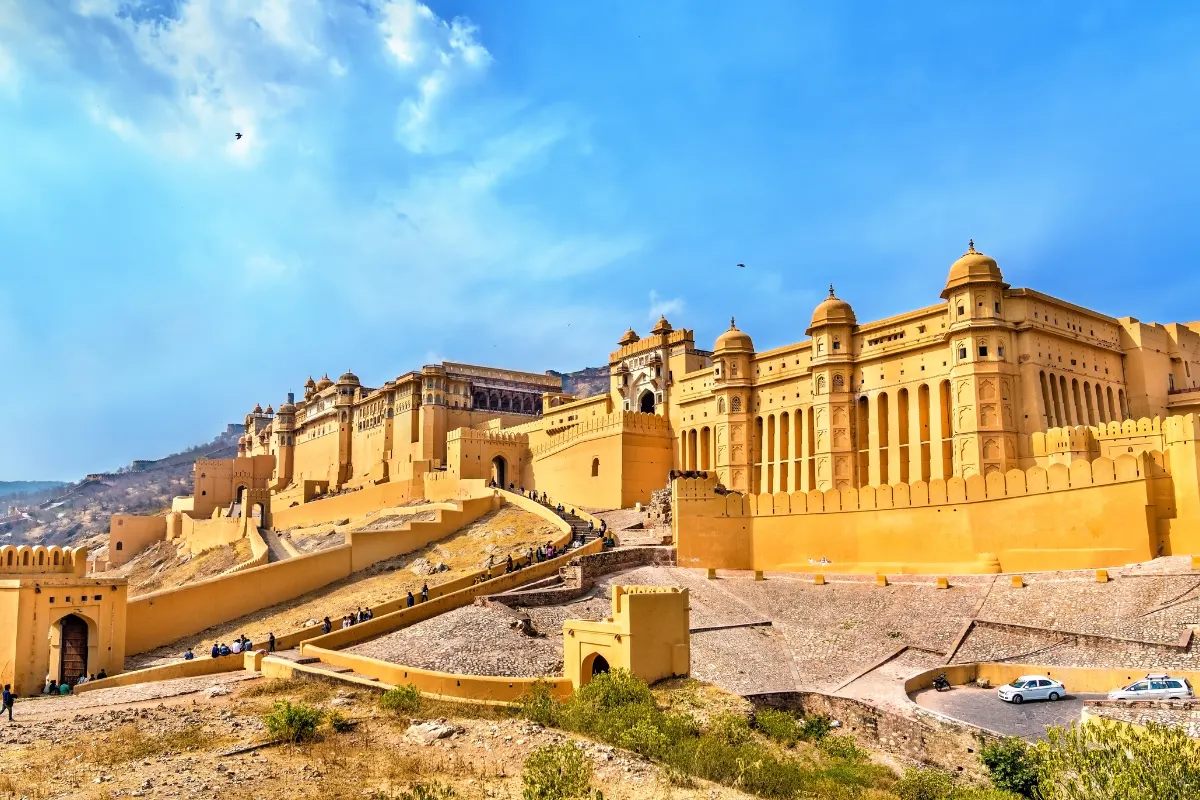
Standing majestically on a hill overlooking Maota Lake, Amber Fort is the crown jewel of Jaipur. Construction began in 1592 under Raja Man Singh I and continued for nearly 150 years. Built from red sandstone and white marble, the fort combines powerful Rajput architecture with elegant Mughal influences.
Inside, visitors discover magnificent courtyards, royal apartments, the breathtaking Sheesh Mahal (Mirror Palace), beautifully landscaped gardens, and hidden passageways once used by the royal family. One of the most fascinating features is the natural cooling system that circulated water through the palace to keep rooms comfortable during Rajasthan's hot summers.
Local Expert Tip: Visit early in the morning, before 9:00 AM, to enjoy cooler temperatures, softer light for photography, and fewer crowds.
Hawa Mahal – The Palace of Winds
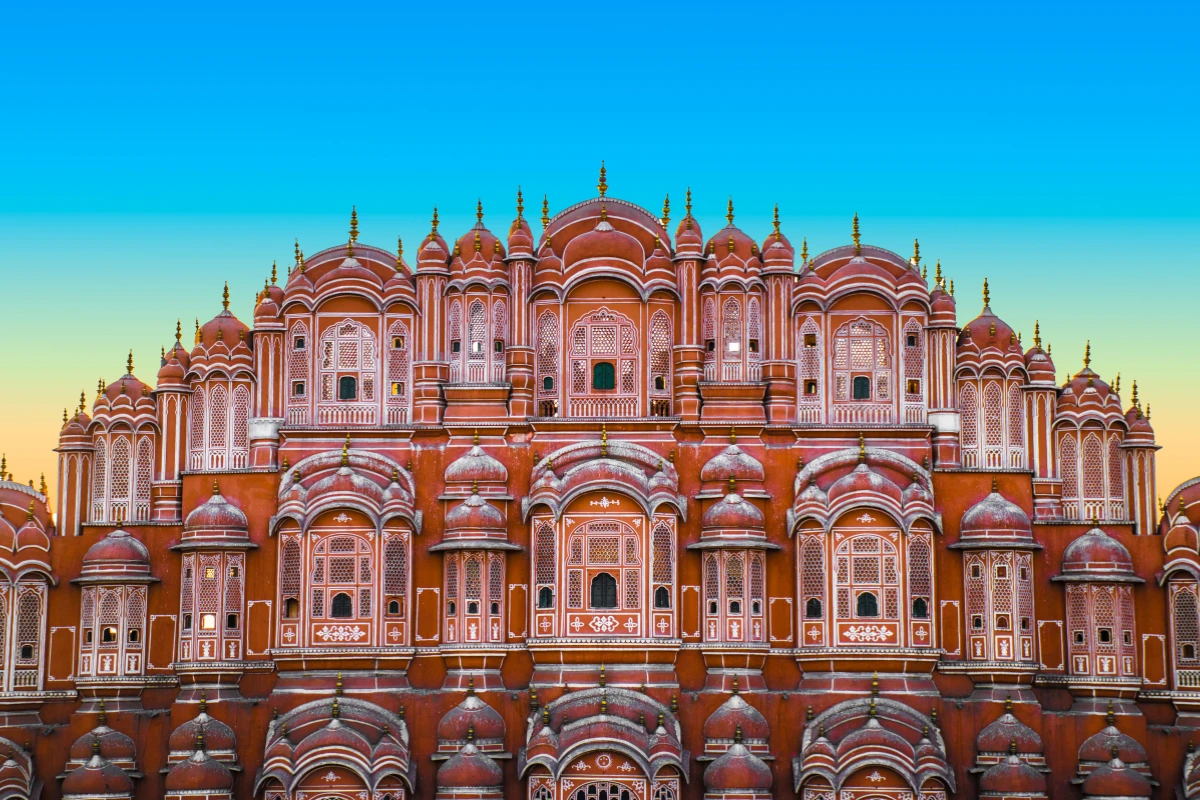
Built in 1799, the Hawa Mahal is Jaipur's most recognisable monument. Its famous façade features 953 intricately carved windows, known as Jharokhas, which allowed royal women to observe street life without being seen. These windows also created natural ventilation, making the palace remarkably cool even during the hottest months.
The best photographs are taken from the cafés opposite the monument at sunrise, when the soft golden light enhances the pink sandstone façade.
City Palace
Located in the heart of the Pink City, the City Palace remains the official residence of Jaipur's royal family. Visitors can admire beautifully decorated courtyards, royal museums, ceremonial halls, and the spectacular Peacock Gate, considered one of the finest examples of Rajasthani craftsmanship.
One of the palace's greatest treasures is the pair of giant silver urns, recognised by the Guinness World Records as the largest silver vessels ever made.
Royal Palaces & Historic Forts
Jaipur's forts were built not only for defence but also as symbols of royal power and artistic excellence. Together, Amber Fort, Jaigarh Fort, and Nahargarh Fort create an impressive defensive system stretching across the Aravalli Hills.
Jaigarh Fort protected the kingdom with its massive walls and military arsenal, while Nahargarh Fort served as a peaceful retreat for the royal family. Today, Nahargarh offers one of the most spectacular sunset views in Rajasthan, overlooking the entire city.
Hidden Gems in Jaipur
Beyond the famous landmarks, Jaipur is full of hidden treasures waiting to be discovered.
Panna Meena ka Kund is one of the city's oldest stepwells, dating back to the 16th century. Its perfectly symmetrical staircases create one of Jaipur's most photographed locations, yet many visitors overlook it while rushing to Amber Fort.
Gatore Ki Chhatriyan, the royal cenotaphs of the Kachwaha dynasty, offer a peaceful escape from the busy city. Delicately carved marble domes surrounded by hills make this one of Jaipur's most underrated heritage sites.
Nature lovers should visit Chandlai Lake, located about 30 kilometres from Jaipur. During winter, the lake attracts hundreds of migratory birds, making it a favourite destination for photographers.
Famous Temples in Jaipur
Jaipur is not only a royal city but also an important spiritual centre.
Govind Dev Ji Temple, located within the City Palace complex, is one of India's most revered Krishna temples. Every day, thousands of devotees gather to witness the traditional Aarti, creating an atmosphere of deep devotion and music.
Galtaji Temple, often called the Monkey Temple, is nestled between the Aravalli Hills and is famous for its sacred water tanks and natural springs. The peaceful setting, colourful temples, and playful monkeys make it one of Jaipur's most unique religious attractions.
The elegant Birla Mandir, built entirely from white marble, offers a striking contrast to Jaipur's pink sandstone architecture. Beautifully illuminated in the evening, it provides a calm and peaceful atmosphere for visitors.
Things to Do in Jaipur
Jaipur offers much more than sightseeing.
Take a hot-air balloon ride over Amber Fort at sunrise for unforgettable views of the surrounding hills and villages.
Join a heritage walk through the old city, where narrow lanes reveal hidden temples, artisan workshops, and traditional havelis.
Visit Jhalana Leopard Reserve, one of India's best urban wildlife parks, where leopard sightings are surprisingly common.
For a hands-on cultural experience, participate in a block-printing workshop in nearby Sanganer, where artisans continue techniques that have been practised for more than 300 years.
Shopping Guide
Jaipur is known as India's shopping capital for handicrafts and gemstones.
Johari Bazaar is internationally famous for diamonds, emeralds, rubies, and handcrafted jewellery. Many of Jaipur's gemstone workshops supply luxury jewellers around the world.
Bapu Bazaar is the perfect place to buy colourful textiles, leather bags, traditional Mojari shoes, and embroidered fabrics.
If you're looking for authentic Blue Pottery, visit workshops around Chandpole Bazaar, where artisans continue this unique Persian-inspired craft introduced to Jaipur centuries ago.
Local Tip: Buy directly from certified government emporiums or reputable family-run workshops if purchasing expensive jewellery or gemstones.
Where to Eat in Jaipur
Jaipur's cuisine reflects the rich traditions of Rajasthan's royal kitchens.
For authentic Rajasthani food, Laxmi Mishthan Bhandar (LMB) has been serving local specialities since 1954 and remains one of the city's most respected restaurants.
Rawat Mishthan Bhandar is famous for its legendary Pyaaz Kachori, a favourite breakfast among locals.
For an unforgettable royal dining experience, 1135 AD, located inside Amber Fort, offers elegant interiors inspired by Rajput palaces and serves traditional recipes once prepared for the royal family.
Those seeking spectacular city views should visit The Tattoo Café, where the terrace overlooks the magnificent Hawa Mahal.
Don't miss these local specialties:
Jaipur Festivals
Jaipur celebrates festivals with exceptional colour and enthusiasm.
The Gangaur Festival, dedicated to Goddess Gauri, fills the streets with beautifully decorated processions, traditional music, and women wearing colourful Rajasthani attire.
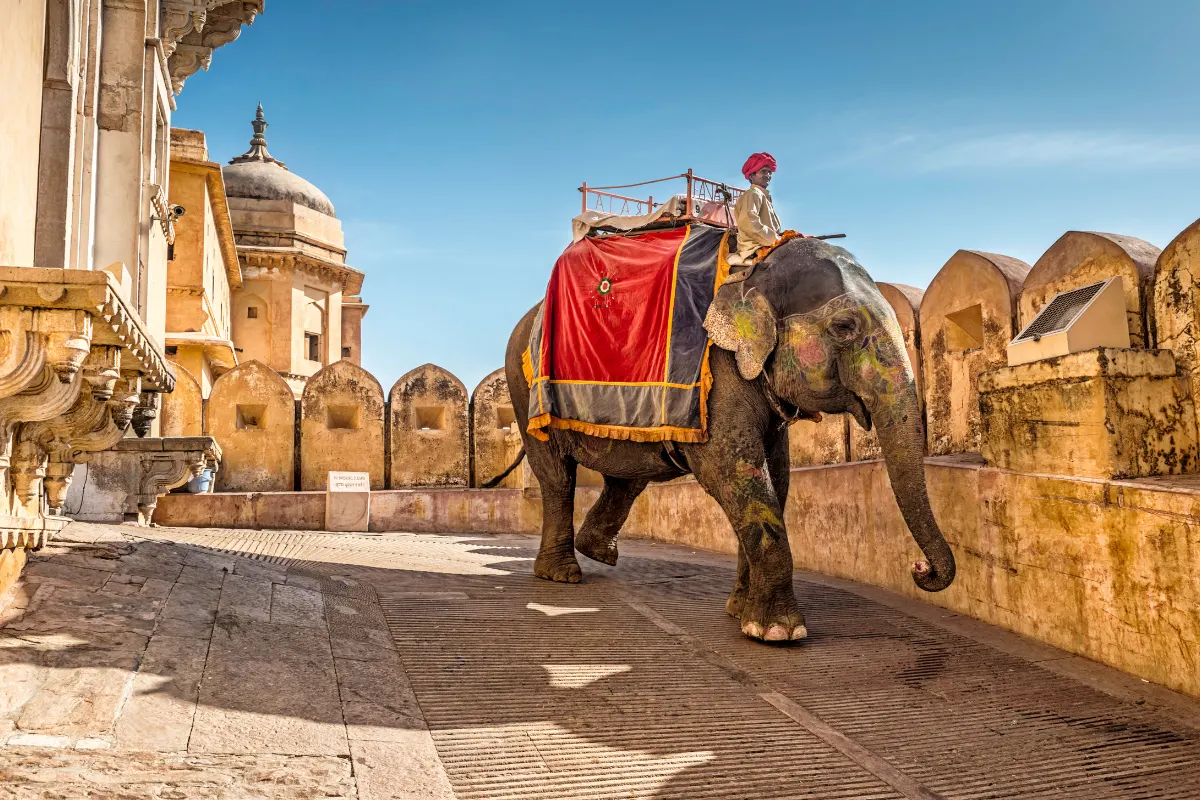
During Teej Festival, elephants, camels, folk dancers, and musicians transform the Pink City into a living celebration of Rajasthan's culture.
The internationally renowned Jaipur Literature Festival welcomes some of the world's leading authors, historians, and thinkers every January.
Best Time to Visit Jaipur
The most pleasant season to visit Jaipur is from October to March, when daytime temperatures range between 18°C and 28°C. This period is ideal for sightseeing, walking tours, shopping, and photography.
The monsoon months between July and September bring cooler temperatures and greener landscapes, while summer, from April to June, is best suited to travellers comfortable with high temperatures and fewer crowds.
Experience Jaipur with Local Guide India
At Local Guide India, we believe the true beauty of Jaipur lies beyond its famous monuments. Our local experts introduce you to hidden courtyards, family-run restaurants, artisan workshops, peaceful temples, and authentic neighbourhoods that many visitors never discover. Whether you are planning a luxury holiday, a cultural tour, or a family adventure, we create personalised journeys that reveal the real soul of Rajasthan.
📱 WhatsApp: +91 8233335370
🌐 Website: www.localguideindia.com
Frequently Asked Questions
Top Things to do in Jaipur

Other Popular Tour Guides in Jaipur

All Photos (6)
Amer-Jaipur-local-guide
Hawa-mahal-Jaipur-local-guide
Jaipur-local-guide
Amer-elephant-safari-Jaipur-local-guide
Jal-mahal-Jaipur-local-guide