
City Details
Bikaner's Camel Culture
Discover Rajasthan's Desert Heritage
Bikaner - majestic forts, royal palaces, vibrant markets, desert culture, and timeless Rajput heritage.
Located in the heart of the Thar Desert, Bikaner is one of Rajasthan's most fascinating yet underrated destinations. Known for its magnificent sandstone forts, beautifully carved havelis, sacred temples, colourful bazaars, and rich camel culture, Bikaner offers visitors an authentic glimpse into Rajasthan away from the larger tourist crowds. The city is also famous for its world-renowned Bikaneri Bhujia, camel breeding traditions, and well-preserved royal architecture.
Founded in 1488 by Rao Bika, the eldest son of Rao Jodha, the founder of Jodhpur, Bikaner quickly became an important trading centre along the ancient caravan routes connecting Central Asia with Gujarat. Despite its desert location, the city flourished through trade, and its rulers built magnificent forts, palaces, temples, and havelis that continue to reflect the wealth and artistic excellence of the former Kingdom of Bikaner.
Today, Bikaner attracts travellers seeking authentic heritage, peaceful monuments, vibrant local markets, desert experiences, and traditional Rajasthani hospitality.
Top Tourist Attractions in Bikaner
Bikaner is home to impressive forts, elegant palaces, beautiful temples, and unique desert attractions that showcase the city's rich royal history and cultural heritage.
Junagarh Fort
Discover one of Rajasthan's finest and unconquered forts.
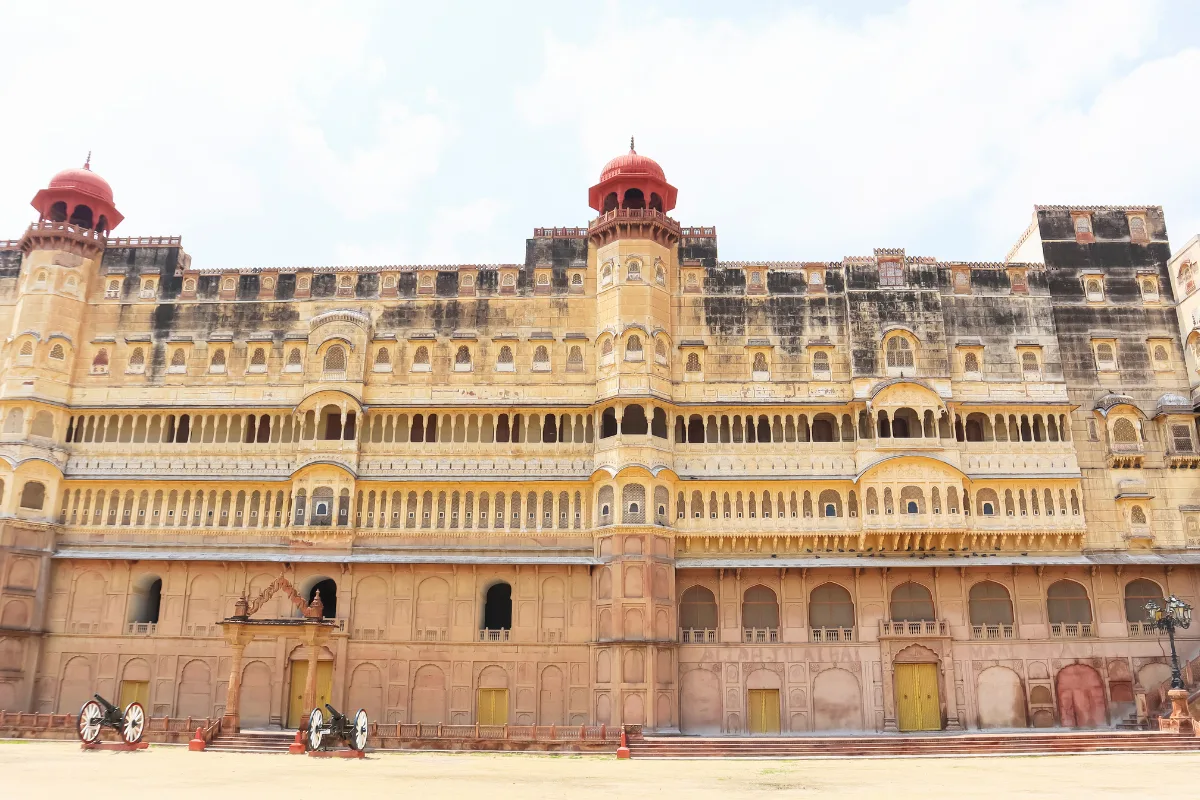
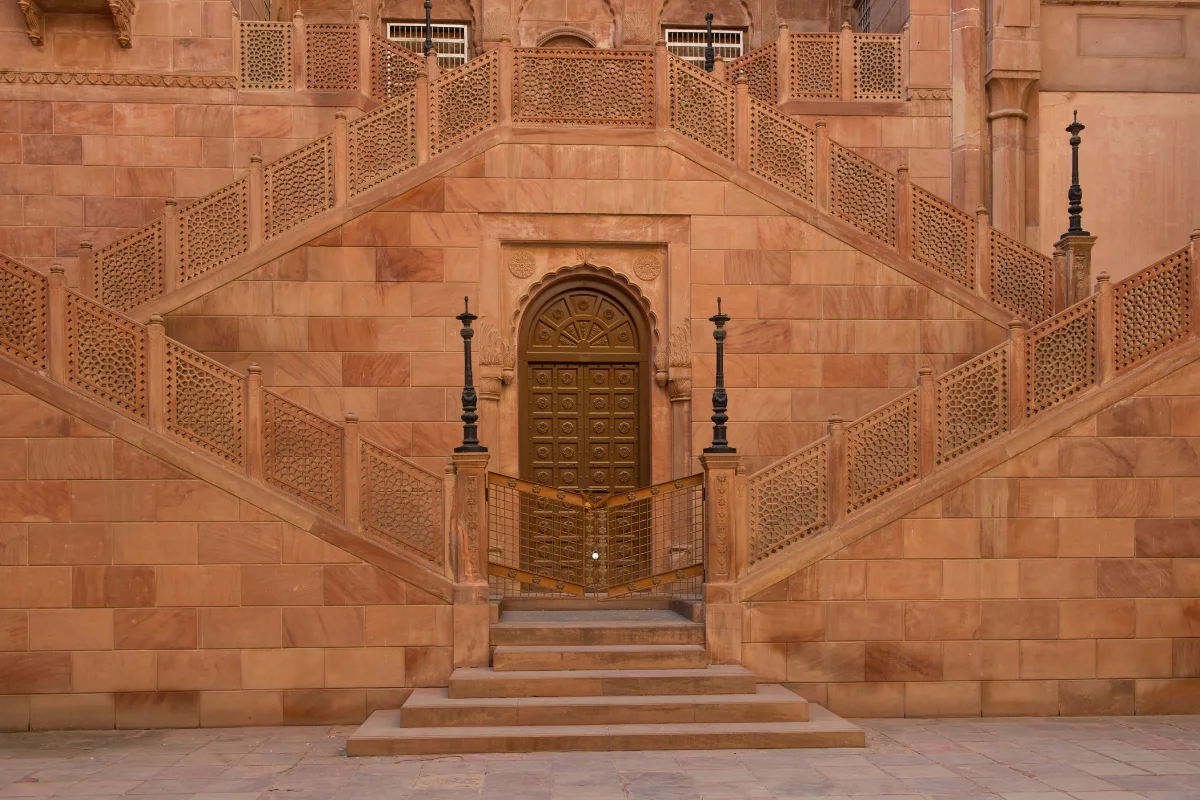
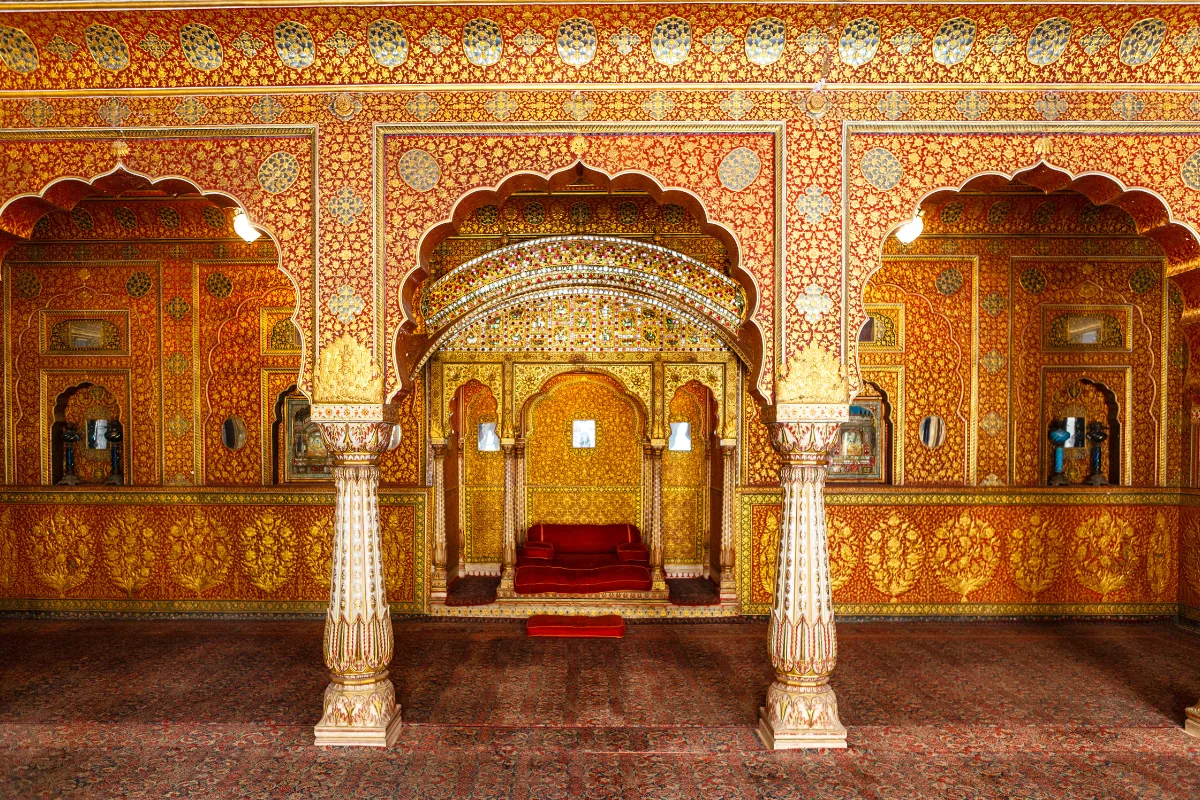
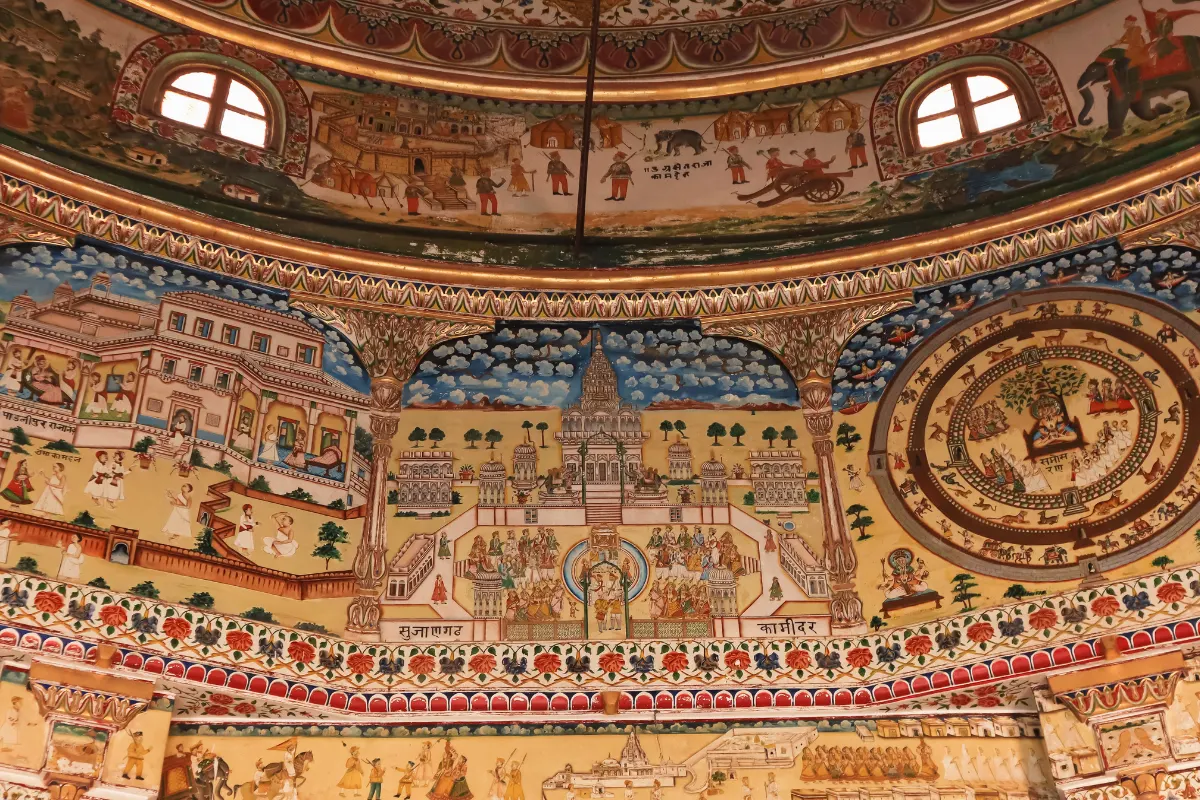
Built in 1594 by Raja Rai Singh, Junagarh Fort is one of the few major forts in Rajasthan not built on a hill. Protected by massive walls, moats, and impressive gateways, the fort has never been conquered. Inside, visitors can admire beautifully decorated palaces such as Anup Mahal, Badal Mahal, Phool Mahal, and Karan Mahal, featuring exquisite mirror work, gold leaf paintings, carved balconies, and colourful frescoes. The fort museum displays royal weapons, manuscripts, miniature paintings, and artefacts that tell the story of Bikaner's royal past.
Lalgarh Palace
Admire the elegance of Bikaner's royal residence.
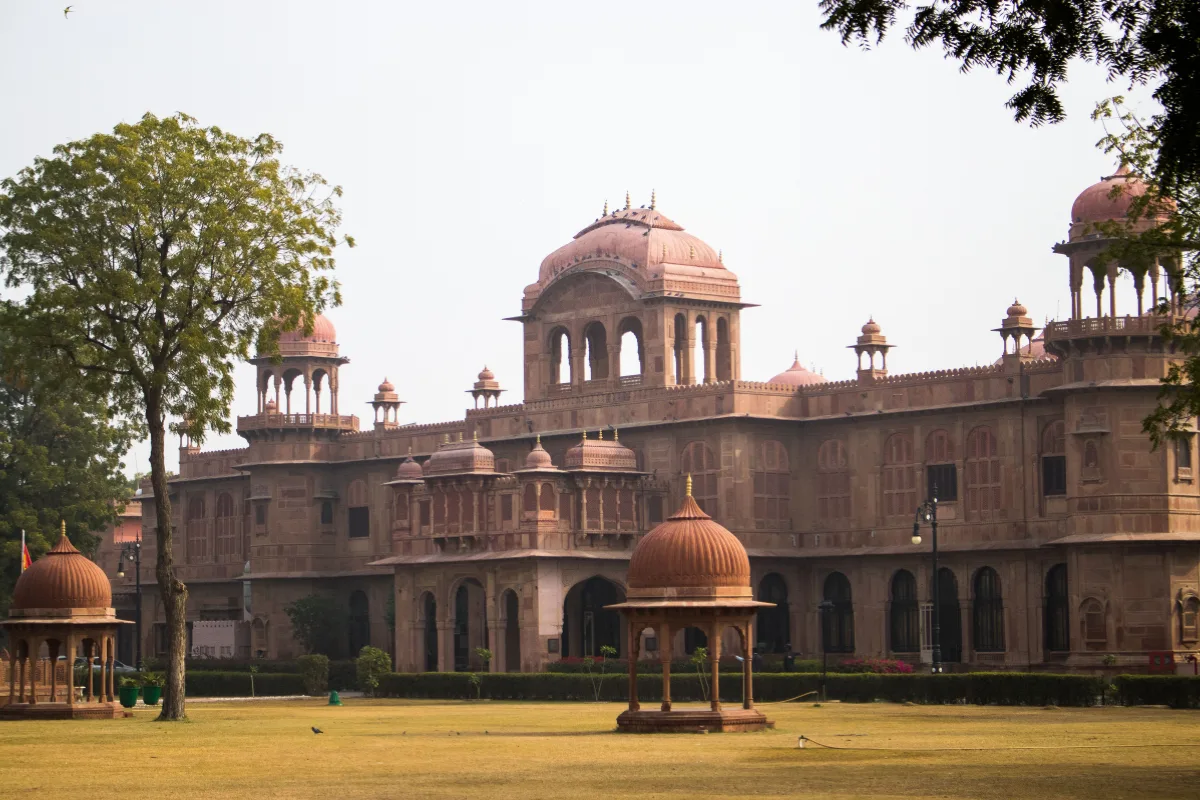
Constructed between 1902 and 1926 by Maharaja Ganga Singh, Lalgarh Palace is an outstanding example of Indo-Saracenic architecture. Built from beautiful red sandstone, the palace combines Rajput, Mughal, and European influences. Today, part of the palace operates as a luxury heritage hotel, while the museum showcases royal photographs, hunting trophies, antique furniture, and historical collections reflecting the lifestyle of Bikaner's royal family.
Karni Mata Temple (Rat Temple)
Visit one of India's most unique and sacred temples.
Located in Deshnoke, about 30 kilometres from Bikaner, Karni Mata Temple is famous worldwide as the Rat Temple. The temple is home to more than 25,000 sacred rats, known locally as Kabas, which are believed to be reincarnated devotees of Karni Mata. Feeding or spotting one of the rare white rats is considered especially auspicious. Despite its unusual reputation, the temple is one of Rajasthan's most fascinating spiritual attractions.
National Research Centre on Camel
Learn about Rajasthan's famous ship of the desert.
Bikaner is internationally recognised for its deep connection with camels. The National Research Centre on Camelallows visitors to learn about different camel breeds, their importance in desert life, and ongoing conservation efforts. Guests can enjoy camel rides, visit educational exhibits, and even taste camel milk products, making it one of Bikaner's most unique attractions.
Rampuria Havelis
Discover the finest merchant mansions in Bikaner.
Built by wealthy merchant families during the 15th and 16th centuries, the Rampuria Havelis are celebrated for their richly carved red sandstone façades, ornate balconies, decorative windows, and exquisite craftsmanship. Walking through these historic streets offers visitors a glimpse into Bikaner's prosperous trading history and remarkable architectural heritage.
Things to Do in Bikaner
Explore the narrow streets of the old city, enjoy a camel safari through the surrounding desert, visit local artisan workshops, or discover traditional sweet shops famous for authentic Bikaneri Bhujia and regional snacks. In the evening, stroll through the colourful bazaars or experience Rajasthan's folk music and dance performances at local cultural venues.
Hidden Gems in Bikaner
Visitors looking beyond the main attractions should explore Shiv Bari Temple, an elegant sandstone temple dedicated to Lord Shiva, and Devi Kund Sagar, a peaceful royal cremation ground featuring beautifully carved marble cenotaphs of the Bikaner rulers.
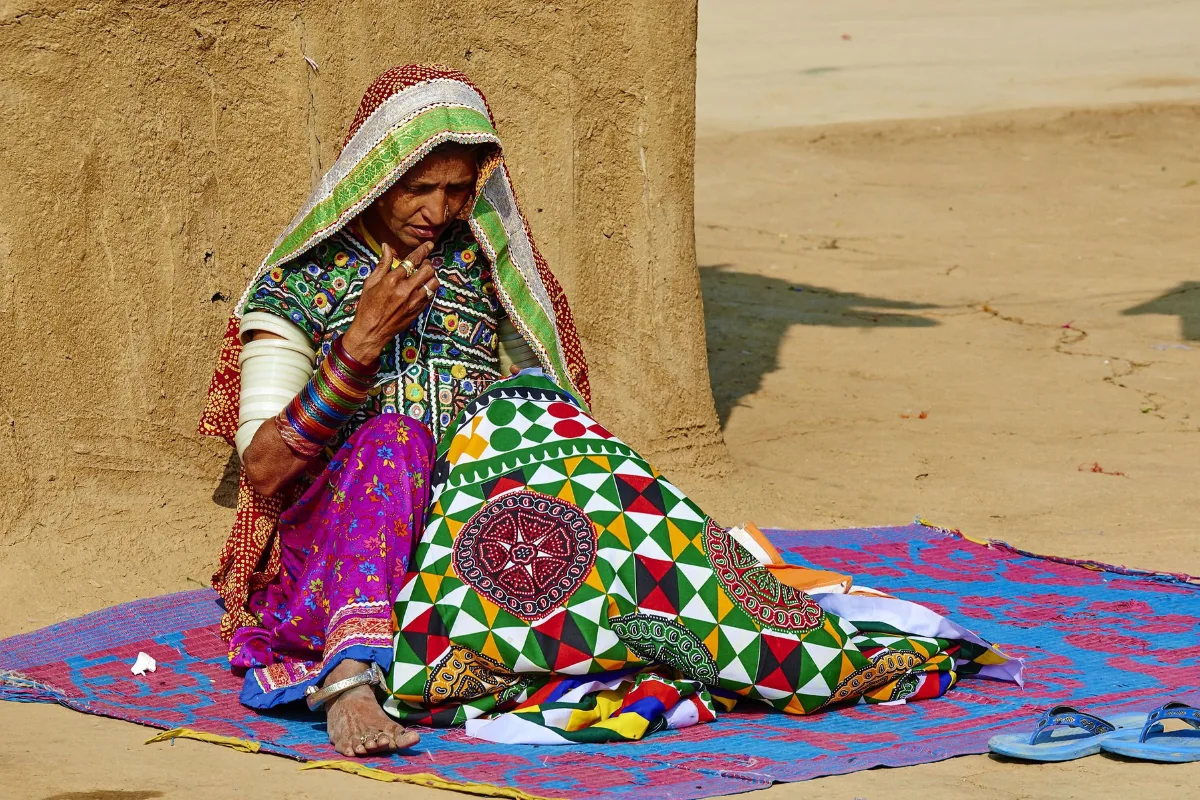
The nearby desert villages provide an excellent opportunity to experience authentic Rajasthani rural life, traditional crafts, and local hospitality.
Shopping Guide
Bikaner is famous for its traditional handicrafts and delicious local products. Visitors can shop for camel leather goods, handcrafted wooden items, miniature paintings, embroidered textiles, silver jewellery, colourful puppets, woollen carpets, and authentic Bikaneri Bhujia. The bustling Kote Gate Market remains the city's most popular shopping destination.
Where to Eat in Bikaner
Bikaner is a paradise for lovers of traditional Rajasthani cuisine. Don't miss local favourites such as Bikaneri Bhujia, Kachori, Ghewar, Rasgulla, and Dal Baati Churma. Popular restaurants include Gallops Restaurant, Heeralal Restaurant, Laxmi Niwas Palace Restaurant, and Chhotu Motu Joshi Sweet Shop, all known for authentic flavours and warm hospitality.
Best Time to Visit Bikaner
The best time to visit Bikaner is between October and March, when the weather is pleasant for sightseeing and desert excursions. January is especially popular thanks to the famous Bikaner Camel Festival, where beautifully decorated camels, folk dances, music, races, and cultural performances celebrate Rajasthan's unique desert traditions.
Experience Bikaner with Local Guide India
Bikaner offers an authentic journey into Rajasthan's royal heritage, desert traditions, and vibrant local culture. At Local Guide India, we create personalised experiences that combine iconic monuments with hidden gems, authentic local cuisine, colourful markets, and unforgettable cultural encounters.
Contact Local Guide India
📱 WhatsApp: +91 8233335370
🌐 Website: www.localguideindia.com
Top Things to do in Bikaner

Other Popular Tour Guides in Bikaner

All Photos (6)