
City Details
Explore Mandawa's Magnificent Frescoes, Heritage Havelis, Royal History, and Timeless Rajasthan Charm.
Discover Mandawa – The Open-Air Art Gallery of Rajasthan
Nestled in the heart of Rajasthan's Shekhawati region, Mandawa is one of India's most enchanting heritage towns, renowned for its magnificent painted havelis, timeless charm, and rich merchant history. Founded in 1755 by Thakur Nawal Singh, a Rajput ruler of the Shekhawat clan, Mandawa quickly flourished as an important stop along the ancient Silk Route connecting China, Central Asia, and the thriving ports of western India.
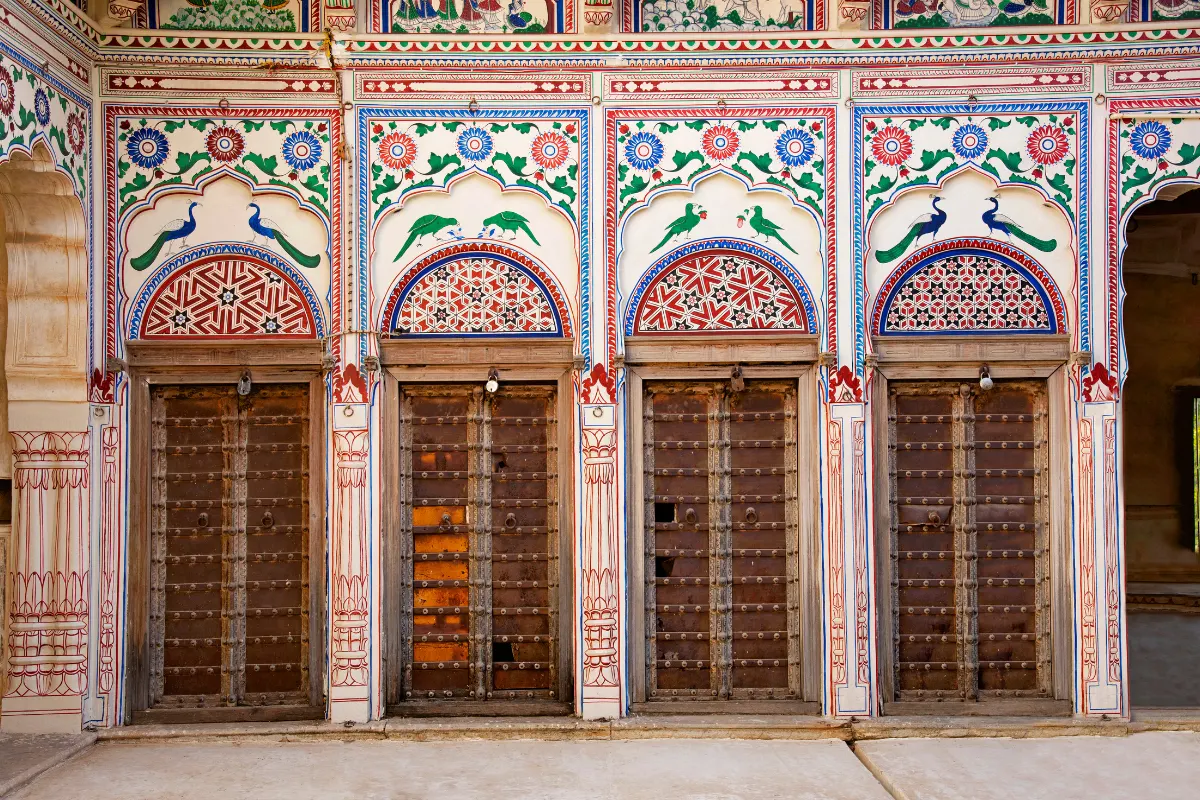
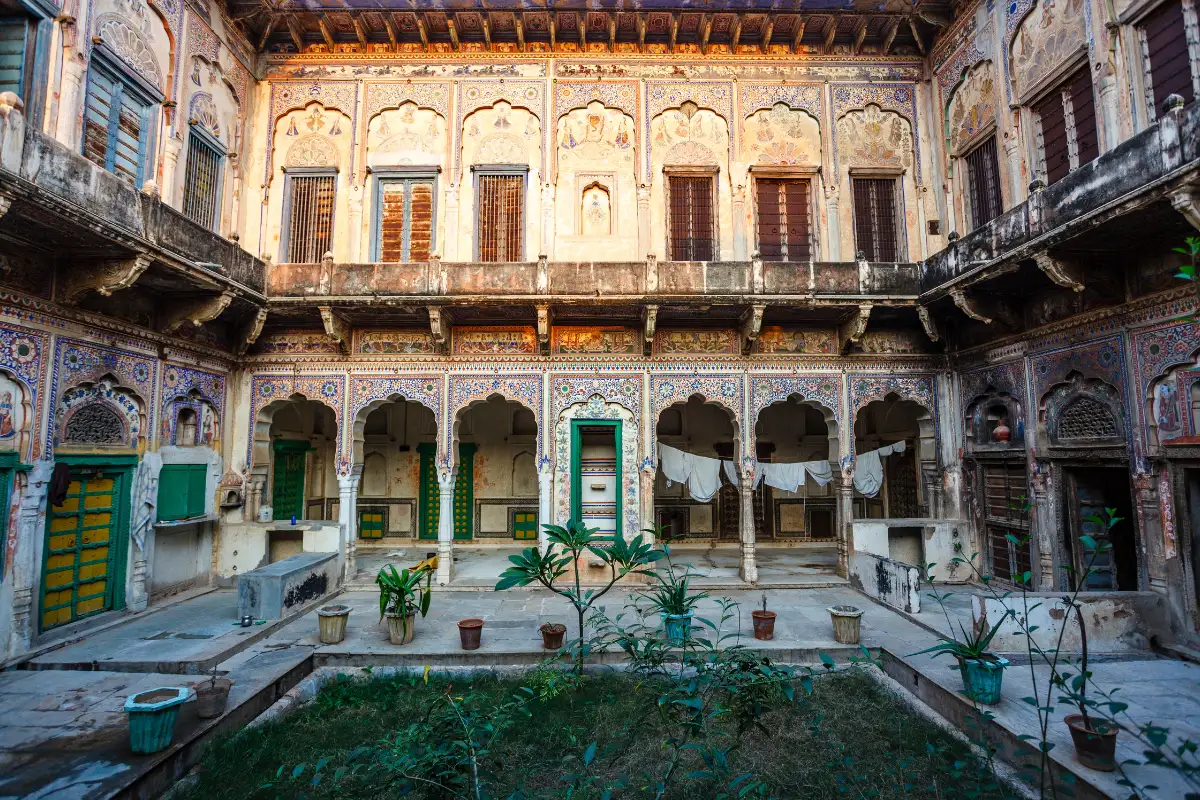
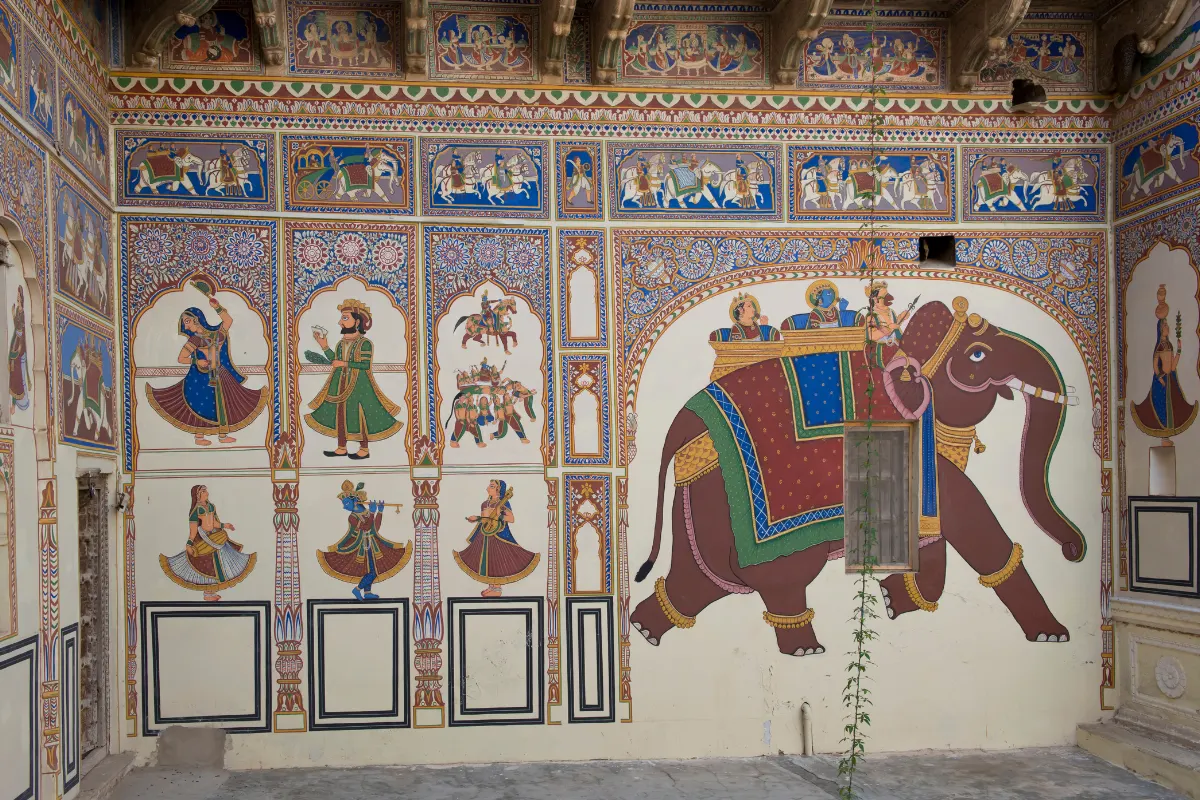
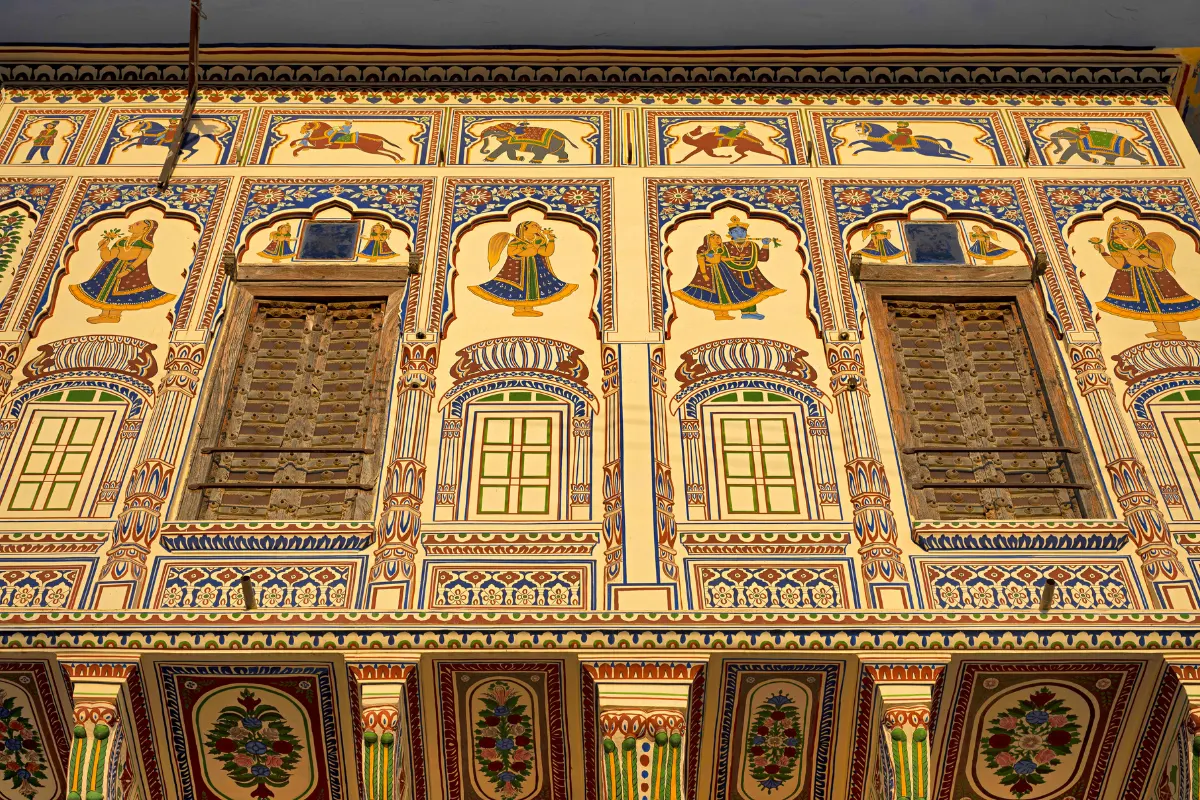
As wealthy Marwari merchants built their grand mansions here during the 18th and 19th centuries, they adorned every wall, courtyard, and ceiling with extraordinary frescoes depicting mythology, royal life, British colonial influences, trains, automobiles, and scenes from everyday village life. Today, Mandawa is often called "The Open-Air Art Gallery of Rajasthan," where history and art blend beautifully around every corner.
Whether you're wandering through its peaceful lanes, admiring centuries-old murals, or staying in a restored royal palace, Mandawa offers one of Rajasthan's most authentic and photogenic cultural experiences.
Top Tourist Attractions in Mandawa
Although Mandawa is a small town, it is one of Rajasthan's most remarkable heritage destinations. Famous for its magnificent fresco-painted havelis, historic fort, and charming narrow streets, the town offers a fascinating glimpse into the prosperous era of the Shekhawati merchants. Every beautifully decorated mansion reflects exceptional craftsmanship, artistic brilliance, and royal elegance, allowing visitors to step back in time and experience the rich cultural, architectural, and trading heritage of Rajasthan.
Mandawa Fort – The Heart of the Town
Dominating the skyline, Mandawa Fort was built in 1755 by Thakur Nawal Singh to protect this prosperous trading settlement. Today beautifully converted into a heritage hotel, the fort remains one of Mandawa's most impressive landmarks.
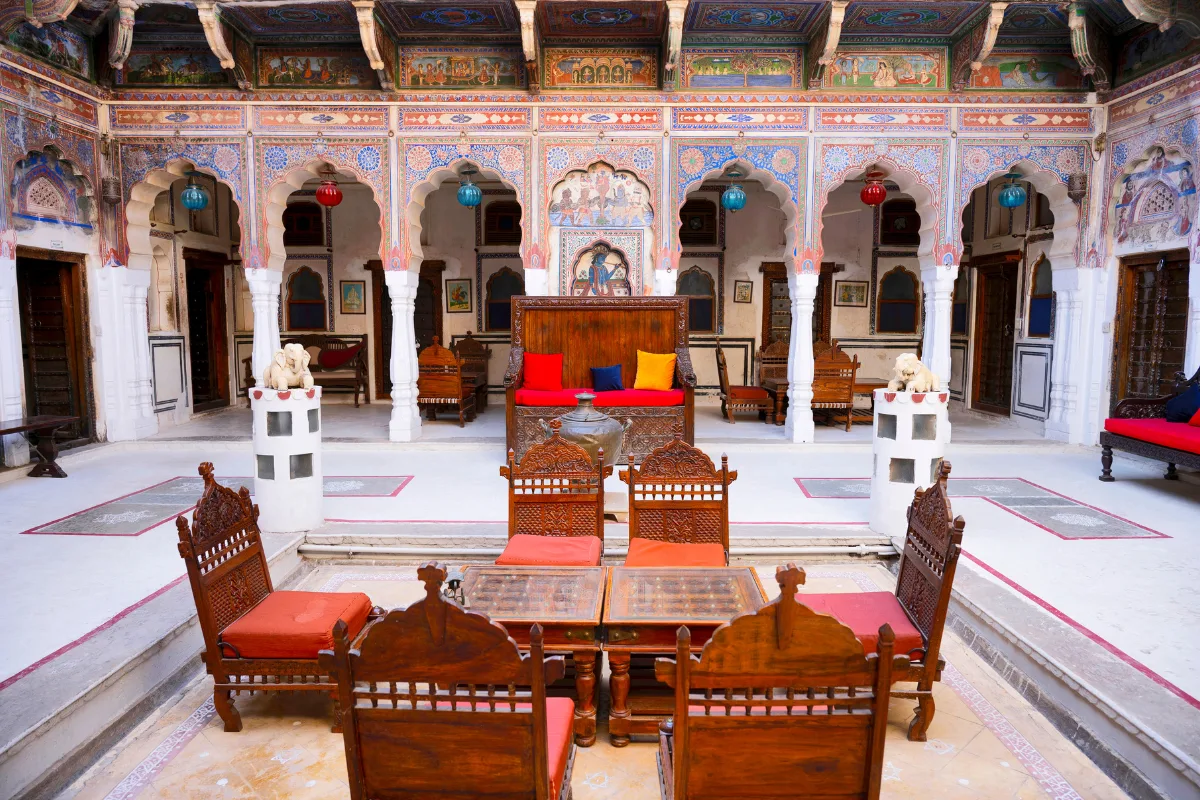
Visitors can admire beautifully painted corridors, elegant royal courtyards, antique furniture, intricate mirror work, and stunning Rajput architecture blended with Mughal influences. From the terraces, panoramic views stretch across Mandawa's painted rooftops and surrounding countryside.
Local Expert Tip: Visit during the late afternoon when the golden sunlight beautifully illuminates the colourful frescoes and sandstone walls.
The Painted Havelis
Mandawa's greatest attraction is undoubtedly its spectacular collection of painted merchant mansions, known as Havelis.
Every haveli tells the story of Rajasthan's wealthy trading families, who competed with one another by building increasingly elaborate homes decorated with exquisite frescoes.
The Hanuman Prasad Goenka Haveli is perhaps Mandawa's most famous mansion, featuring vibrant murals of Hindu gods, royal processions, animals, floral designs, and fascinating European influences introduced during British rule.
The beautifully preserved Murmuria Haveli is known for unusual frescoes depicting trains, telephones, automobiles, and even portraits inspired by European royalty, reflecting the changing world of the late nineteenth century.
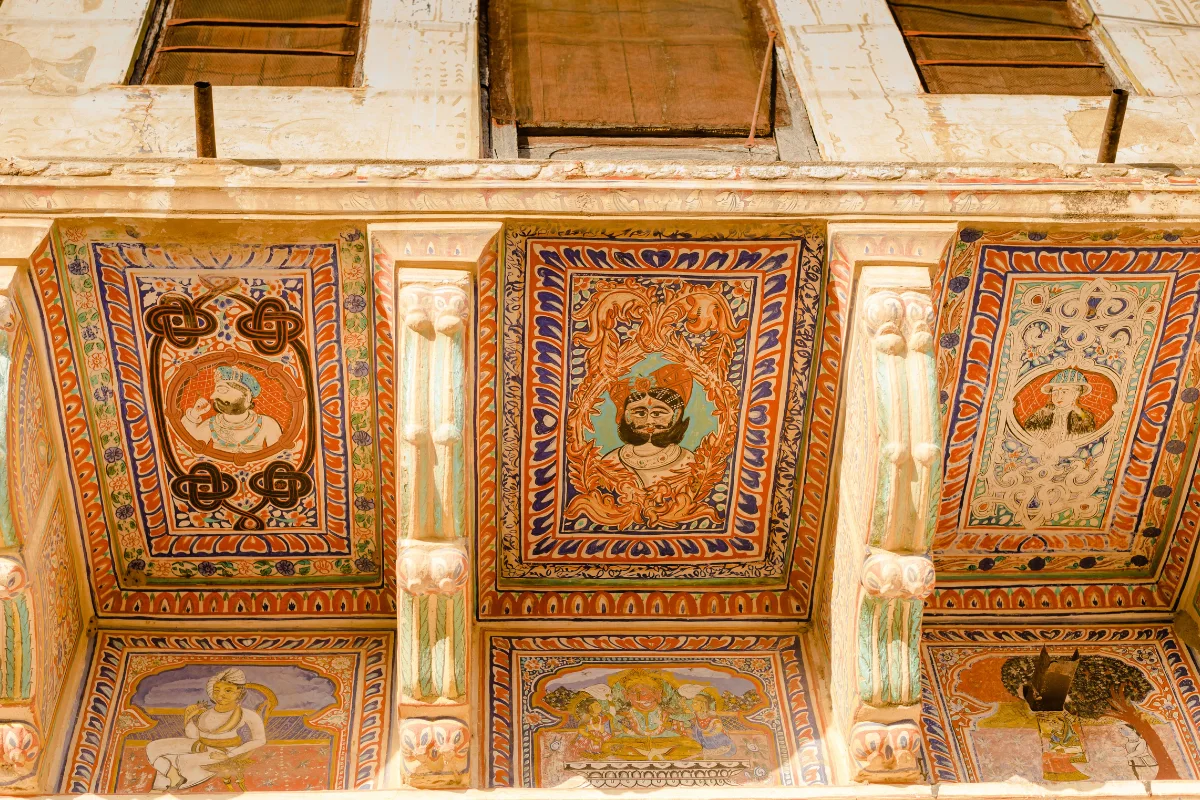
The elegant Jhunjhunwala Haveli impresses visitors with its richly decorated balconies, painted ceilings, carved wooden doors, and graceful central courtyard.
Another artistic masterpiece is the Gulab Rai Ladia Haveli, celebrated for its exceptionally detailed frescoes painted with natural colours that remain remarkably vibrant after more than a century.
Walking Through Mandawa's Old Town
The true charm of Mandawa lies in simply wandering through its peaceful streets.
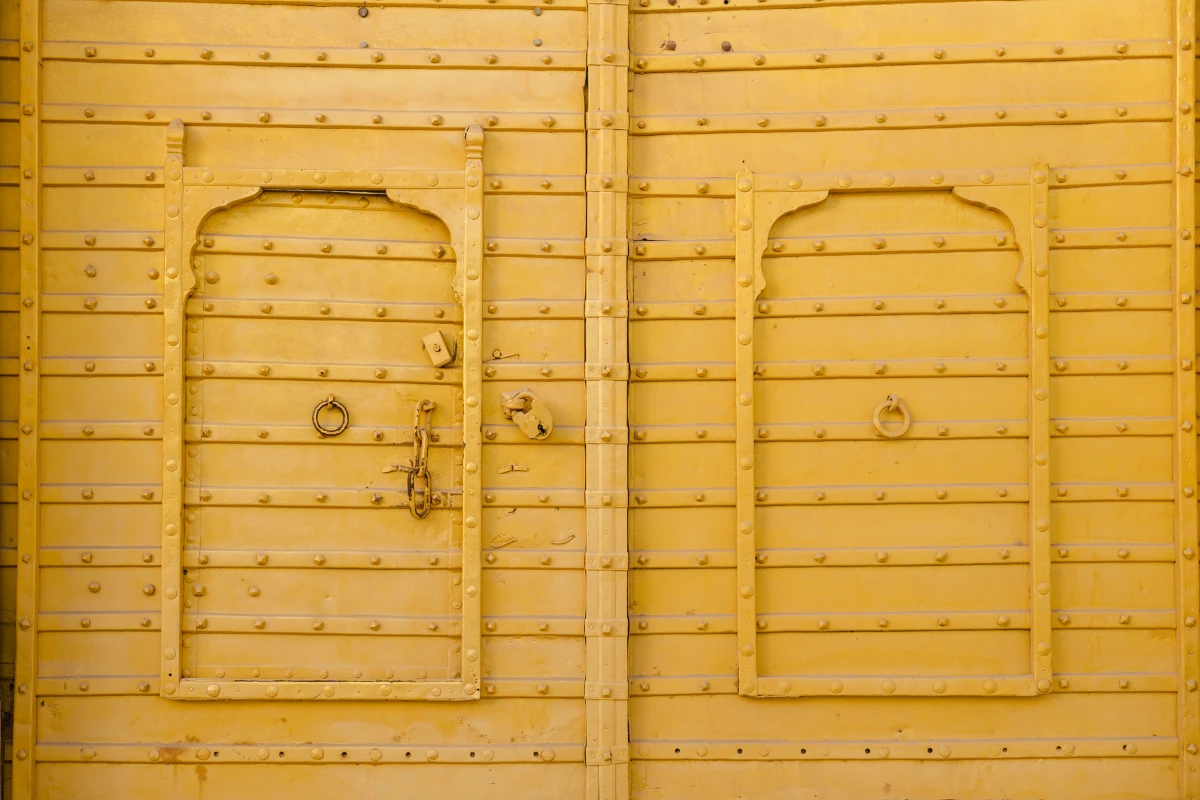
Unlike Rajasthan's larger cities, Mandawa retains a relaxed atmosphere where nearly every narrow lane reveals another beautifully painted mansion, hidden temple, carved gateway, or quiet courtyard. Photography enthusiasts will find endless opportunities to capture colourful frescoes, ornate wooden doors, decorative windows, and scenes of everyday village life. The entire town feels like an open-air museum where every building tells a fascinating story.
Hidden Gems in Mandawa
Beyond the famous havelis, Mandawa offers several lesser-known attractions worth discovering.
The Chokhani Double Haveli is one of the town's finest yet least-visited mansions, admired for its perfectly symmetrical architecture and elaborate frescoes covering both the exterior and interior walls.
The Saraf Haveli is another hidden treasure featuring delicate mirror work, colourful murals, elegant balconies, and beautifully carved stone details.
Visitors can also spend time exploring traditional artisan workshops, where local families continue centuries-old crafts including fresco restoration, miniature painting, wood carving, tie-and-dye textiles, and handmade souvenirs. Meeting these artisans offers valuable insight into Rajasthan's living artistic traditions.
Temples Around Mandawa
Although Mandawa is best known for its painted mansions, several peaceful temples enrich the town's spiritual atmosphere.
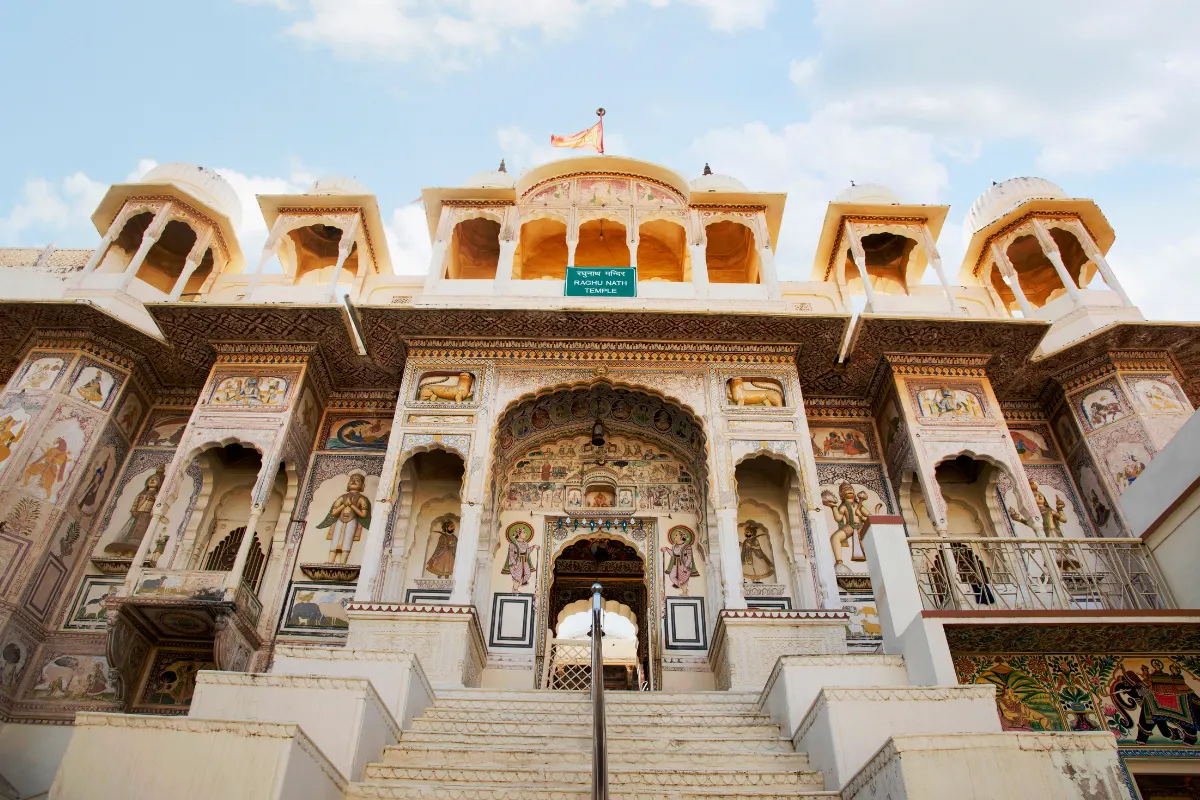
The Lakshminarayan Temple is beautifully decorated with colourful frescoes that continue the artistic traditions seen throughout the town.
The Raghunath Temple provides visitors with an authentic glimpse into the daily religious life of the local community.
Just thirty kilometres away, the magnificent Rani Sati Temple in Jhunjhunu is one of Rajasthan's most important pilgrimage sites and makes an excellent half-day excursion.
Things to Do in Mandawa
A guided heritage walk is one of the best ways to discover Mandawa, allowing visitors to explore hidden streets while learning about the stories behind the frescoes, merchant families, and architectural details that many travellers overlook.
Spending a night in a beautifully restored heritage haveli or palace hotel offers an unforgettable opportunity to experience authentic Rajput hospitality surrounded by centuries-old artwork.
A traditional horse cart ride through the old town provides a nostalgic glimpse into Mandawa's historic past.
Photography lovers will enjoy capturing the colourful frescoes and elegant architecture, particularly during the soft morning or late afternoon light.
Visitors with extra time should explore nearby Shekhawati towns such as Nawalgarh, Fatehpur, Dundlod, and Mukundgarh, which together form Rajasthan's famous Shekhawati Fresco Trail.
Shopping Guide
Mandawa offers a charming shopping experience centred around traditional Rajasthani handicrafts rather than large commercial markets.
Visitors can browse hand-painted miniature artworks, Bandhani tie-and-dye textiles, block-printed fabrics, leather journals, handcrafted wooden items, traditional puppets, brass handicrafts, and antique-style souvenirs. Shopping here is relaxed, allowing travellers to interact directly with local artisans and family-run businesses.
Local Tip: Many heritage hotels also feature small boutiques selling authentic handcrafted products made by local artisans, ensuring quality while supporting traditional craftsmanship.
Where to Eat in Mandawa
Mandawa's cuisine reflects the rich culinary traditions of Rajasthan.
Mandawa Kothi Restaurant serves authentic Rajasthani and North Indian cuisine in a beautifully restored heritage property.
The restaurant at Hotel Castle Mandawa is another excellent choice, offering traditional regional dishes alongside Indian and international cuisine within a royal setting.
For a more relaxed atmosphere, Monica Rooftop Restaurant offers panoramic views over Mandawa's painted rooftops while serving delicious local specialities.
Do not miss regional favourites such as Dal Baati Churma, Gatte Ki Sabzi, Ker Sangri, Bajra Roti with Garlic Chutney, Pyaaz Kachori, Mirchi Vada, Rabri, Ghewar, and refreshing Makhaniya Lassi.
Festivals in Mandawa
Mandawa celebrates Rajasthan's traditions with warmth and colour throughout the year.
During Holi, the streets come alive with vibrant colours, music, dancing, and joyful celebrations.
Diwali transforms the historic havelis into magical landmarks illuminated by thousands of oil lamps.
The Teej Festival showcases colourful processions, traditional folk music, and women dressed in vibrant Rajasthani attire celebrating the arrival of the monsoon.
The annual Shekhawati Festival highlights the region's unique heritage through folk performances, camel rides, handicraft exhibitions, local cuisine, and cultural demonstrations, attracting visitors from around the world.
Best Time to Visit Mandawa
The ideal time to visit Mandawa is from October to March, when pleasant daytime temperatures range between 15°C and 28°C. This season is perfect for heritage walks, photography, and exploring the fresco-covered streets at a comfortable pace.
The monsoon months from July to September bring greener surroundings and cooler weather, while summer, from April to June, offers quieter streets and attractive hotel rates for travellers comfortable with Rajasthan's high temperatures.
Experience Mandawa with Local Guide India
At Local Guide India, we believe Mandawa is much more than a stop between Delhi and Bikaner. Our knowledgeable local experts introduce you to hidden havelis, beautifully preserved frescoes, artisan workshops, peaceful temples, and authentic village life that many visitors never experience.
Whether you are exploring the famous Shekhawati Fresco Trail, staying in a royal heritage palace, or discovering Rajasthan's extraordinary artistic legacy, we create personalised journeys that reveal the true soul of Mandawa.
📱 WhatsApp: +91 8233335370
🌐 Website: www.localguideindia.com
Top Things to do in Mandawa

Other Popular Tour Guides in Mandawa
All Photos (8)