
City Details
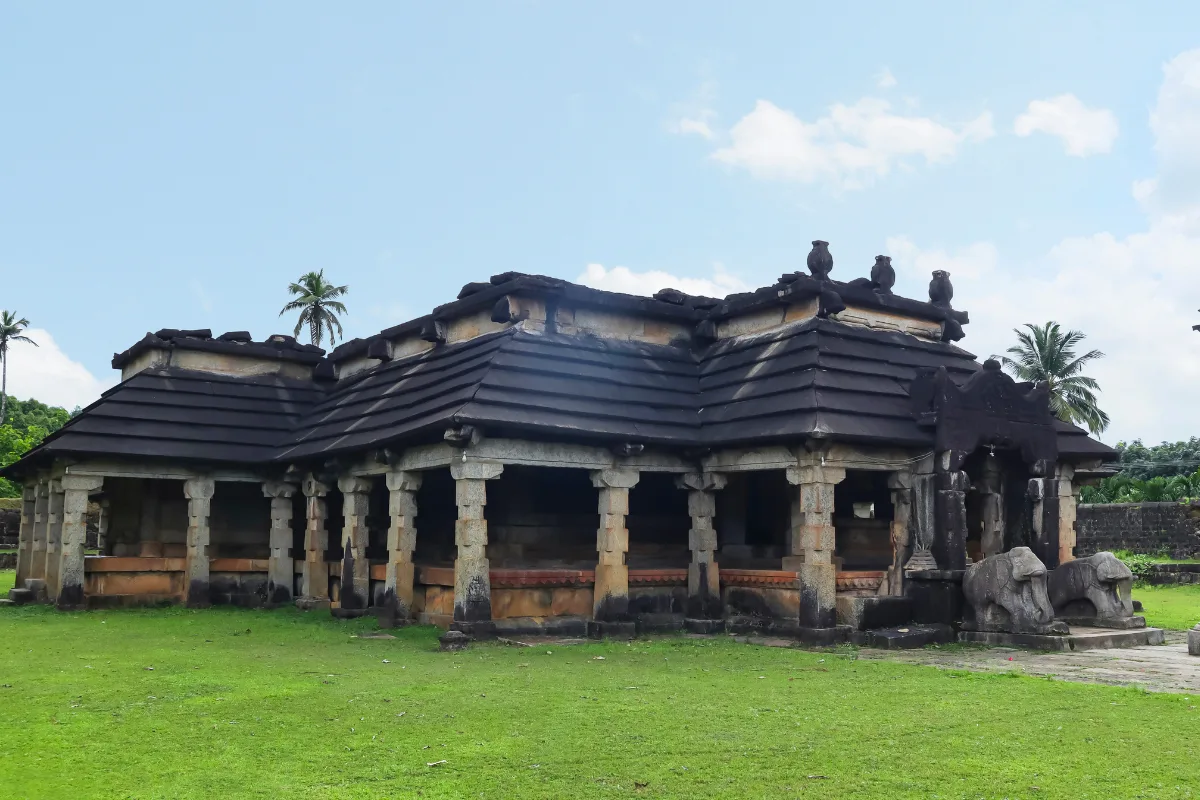
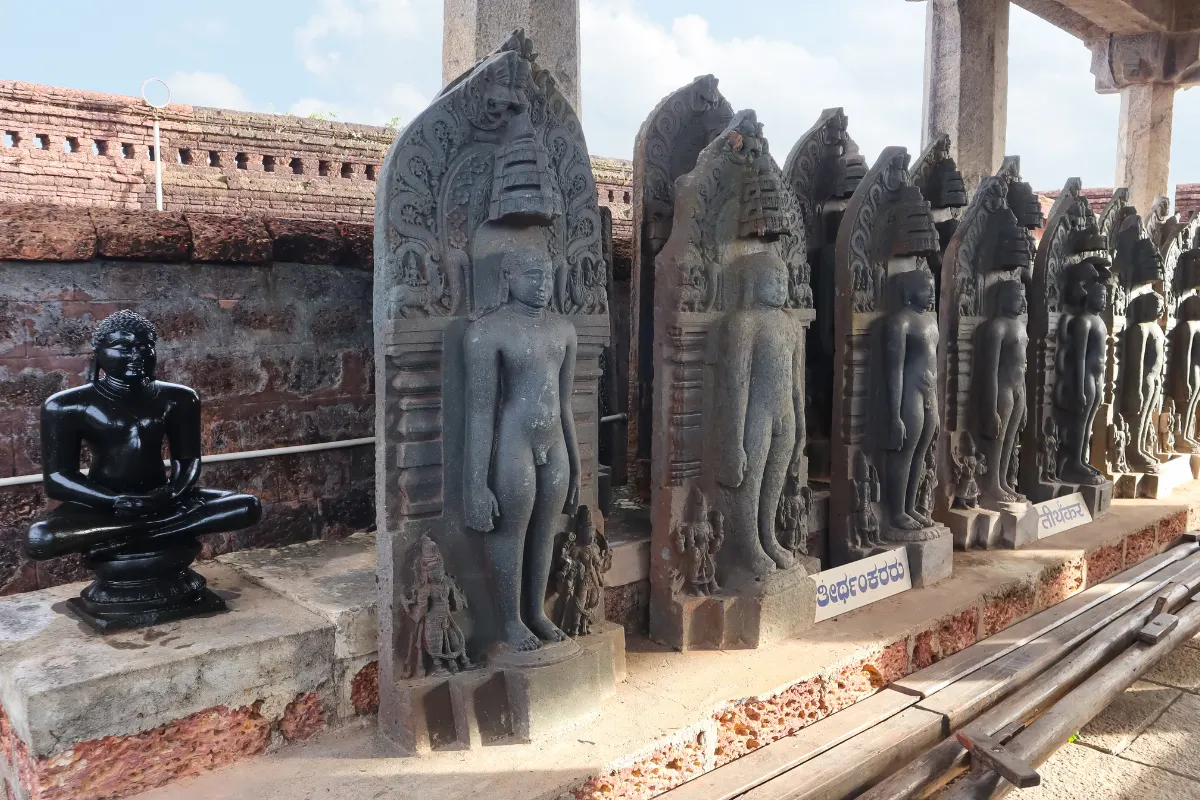
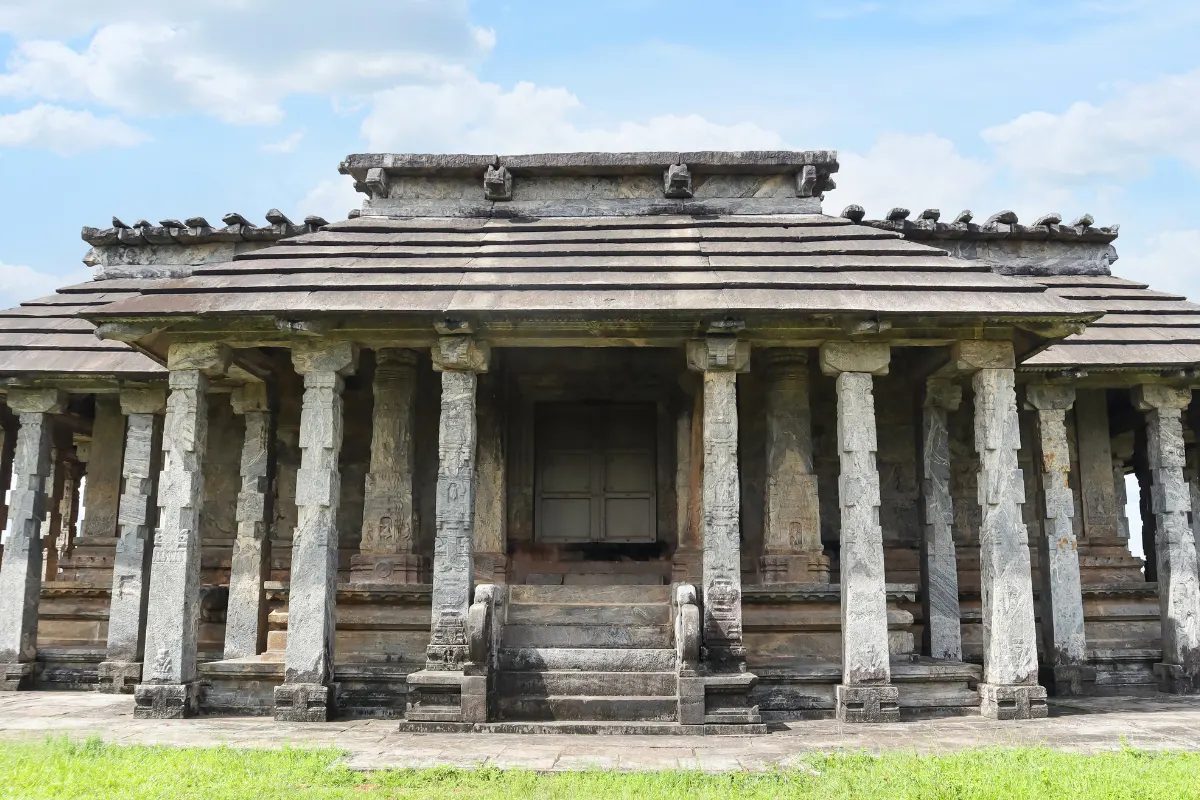
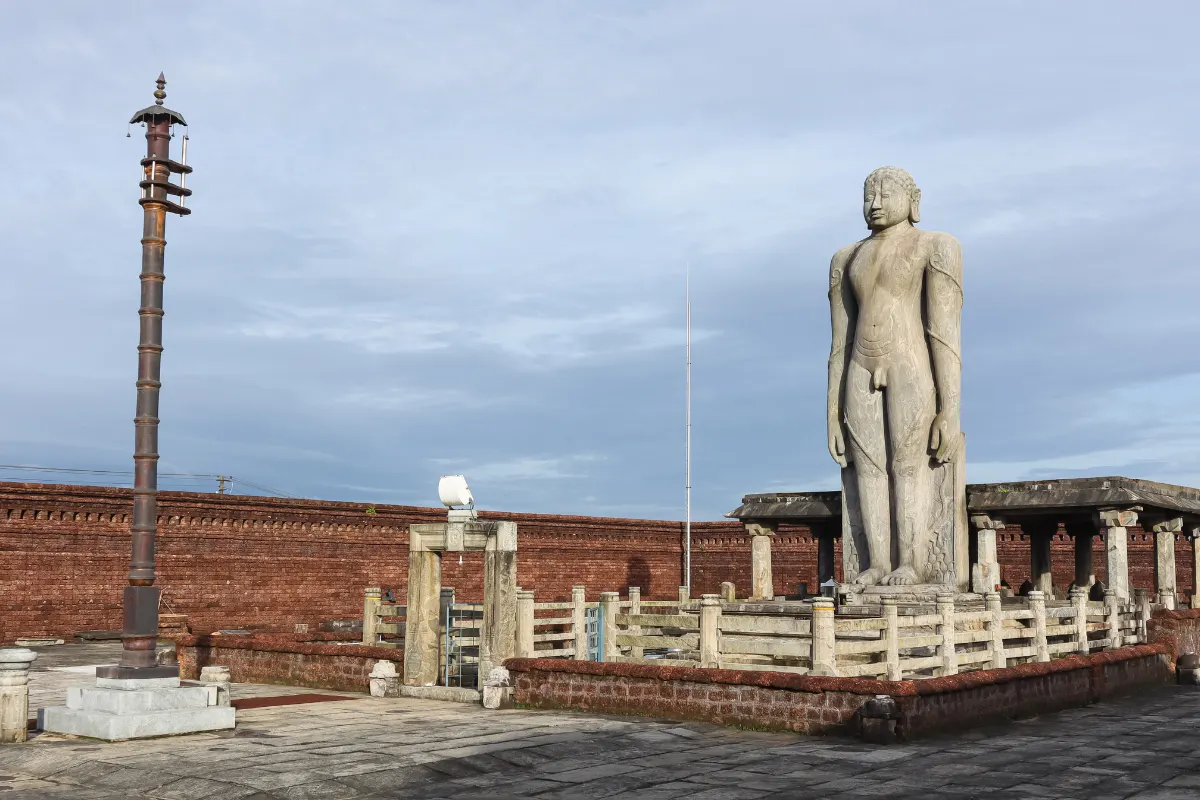
Explore Udupi’s Top Tourist Attractions
Udupi – Temples, Beaches and Coastal Karnataka
Udupi is one of the most captivating destinations on the Karnataka coast, where ancient temples, Arabian Sea beaches, traditional cuisine and centuries of spiritual heritage come together. Travellers searching for the best places to visit in Udupi will discover a destination that offers much more than pilgrimage. From the celebrated Sri Krishna Matha to Malpe Beach and peaceful coastal villages, Udupi combines religion, nature and authentic local culture.
Located north of Mangaluru, Udupi is an excellent destination for a coastal Karnataka tour. Coconut-lined roads, fishing communities, traditional markets and historic temples give the region a distinctive identity. An Udupi travel itinerary can easily be combined with Mangaluru, Murudeshwar, Gokarna, Shivamogga and Chikkamagaluru for a longer Karnataka journey.
Top Tourist Attractions in Udupi
Udupi offers an impressive variety of attractions for travellers interested in spirituality, beaches, nature and coastal Karnataka culture. The city’s famous Sri Krishna Matha forms the spiritual heart of the destination, while Malpe Beach and St. Mary’s Islands introduce visitors to the beauty of the Arabian Sea. Historic temples, traditional neighbourhoods, fishing harbours and quieter beaches add further variety. Whether you are planning an Udupi sightseeing tour, a pilgrimage or a relaxing coastal holiday, these attractions reveal the region’s distinctive combination of heritage and natural beauty.
Sri Krishna Matha – The Spiritual Heart of Udupi
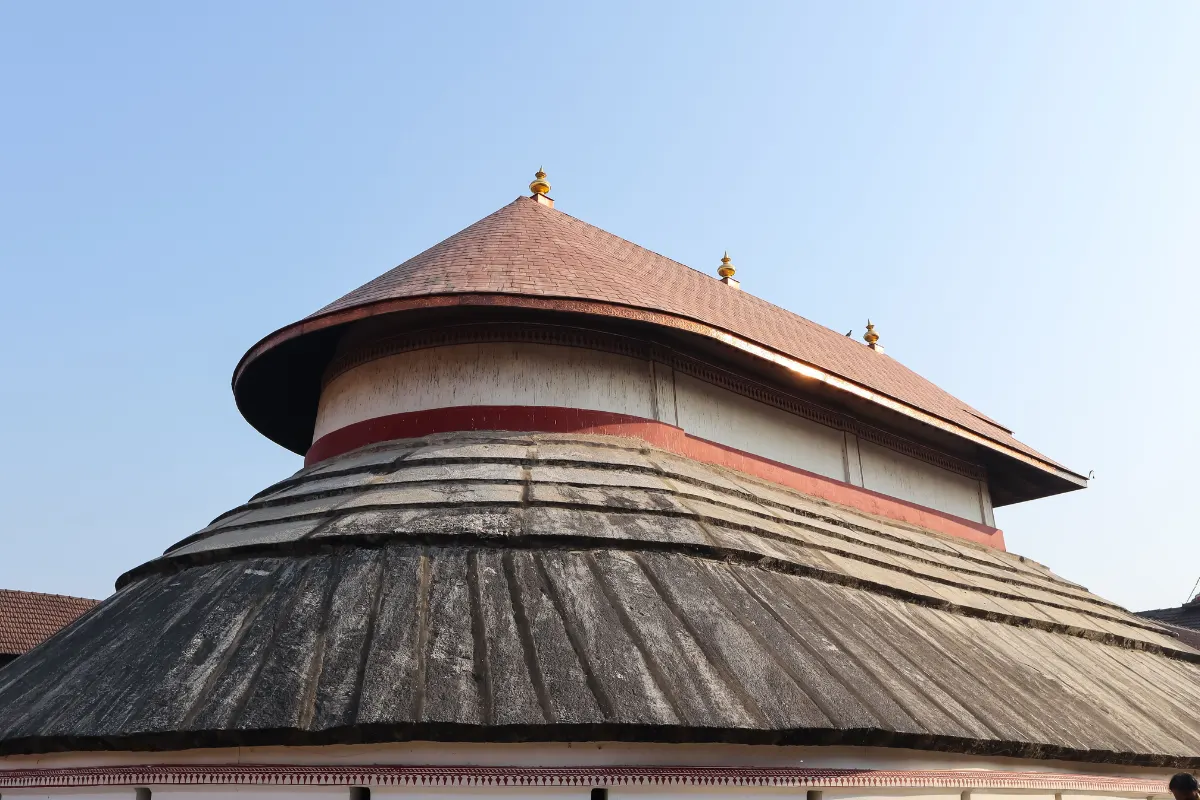
The Sri Krishna Matha is Udupi’s most important religious landmark and one of South India’s renowned centres of Krishna worship. The temple tradition is closely associated with Madhvacharya, the influential 13th-century philosopher and founder of the Dvaita school of Vedanta. For travellers planning a Karnataka pilgrimage tour, this sacred complex is one of the essential places to visit in Udupi.
One of the temple’s distinctive features is the Kanakana Kindi, the window through which devotees traditionally take darshan of Lord Krishna. The surrounding temple quarter contains historic Mathas, smaller shrines, religious institutions and traditional shops. Walking through this neighbourhood allows visitors to experience Udupi as a living spiritual centre rather than simply a historic attraction.
Malpe Beach – Udupi’s Coastal Escape
Malpe Beach is one of the most popular beaches near Udupi, with a broad sandy shoreline overlooking the Arabian Sea. Its open coastal scenery makes it particularly attractive in the late afternoon, when visitors arrive for leisurely walks and sunset views.
Malpe is also an important fishing harbour. Fishing boats and the activity around the waterfront reveal the maritime traditions that have shaped this part of Karnataka. The area is also associated with boat excursions towards St. Mary’s Islands, making Malpe an important part of any Udupi coastal sightseeing itinerary.
St. Mary’s Islands – A Remarkable Geological Landscape
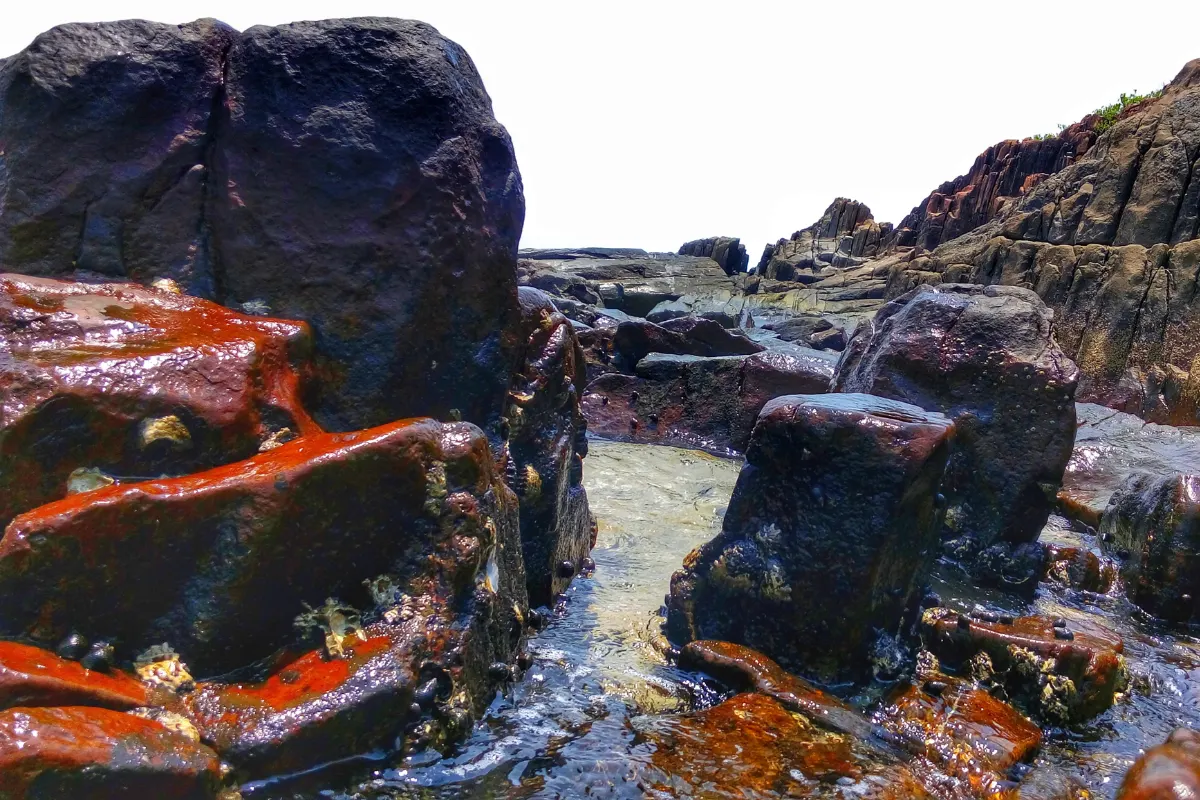
The St. Mary’s Islands near Udupi are among the most unusual natural attractions on the Karnataka coast. They are especially recognised for their striking columnar basalt formations, whose geometric shapes create a dramatic landscape beside the Arabian Sea.
The combination of rocks, open sea and coastal scenery makes the islands especially interesting for photographers and nature lovers. Boat access depends on weather, sea conditions and seasonal operations, so availability can vary during the year.
Kapu Beach and Lighthouse
Kapu Beach, also known as Kaup Beach, is another beautiful place to include in an Udupi travel itinerary. Its sandy shoreline, rocky outcrops, coconut palms and historic lighthouse create one of the most recognisable coastal landscapes in the region.
The beach becomes particularly atmospheric towards sunset, when the lighthouse and surrounding rocks stand against the changing colours of the Arabian Sea. Kapu is also conveniently situated for travellers combining Mangaluru and Udupi in the same journey.
Hidden Gems in Udupi
Beyond the famous Udupi tourist places, the surrounding coastline contains peaceful locations that offer a more intimate experience of coastal Karnataka tourism. Mattu Beach is one such destination, with a quieter shoreline surrounded by coconut palms and agricultural countryside.
Kodi Bengre offers a different coastal landscape shaped by waterways, fishing communities and the meeting of river and sea. Exploring these lesser-known places around Udupi gives travellers an opportunity to discover village life, local fishing traditions and landscapes far removed from conventional city sightseeing.
For travellers who enjoy slower journeys, driving through the countryside between Udupi’s beaches can be an experience in itself. Coconut plantations, traditional houses, small temples and narrow village roads reveal a side of the destination that is easily missed on a short visit.
Temples and Spiritual Sites in Udupi
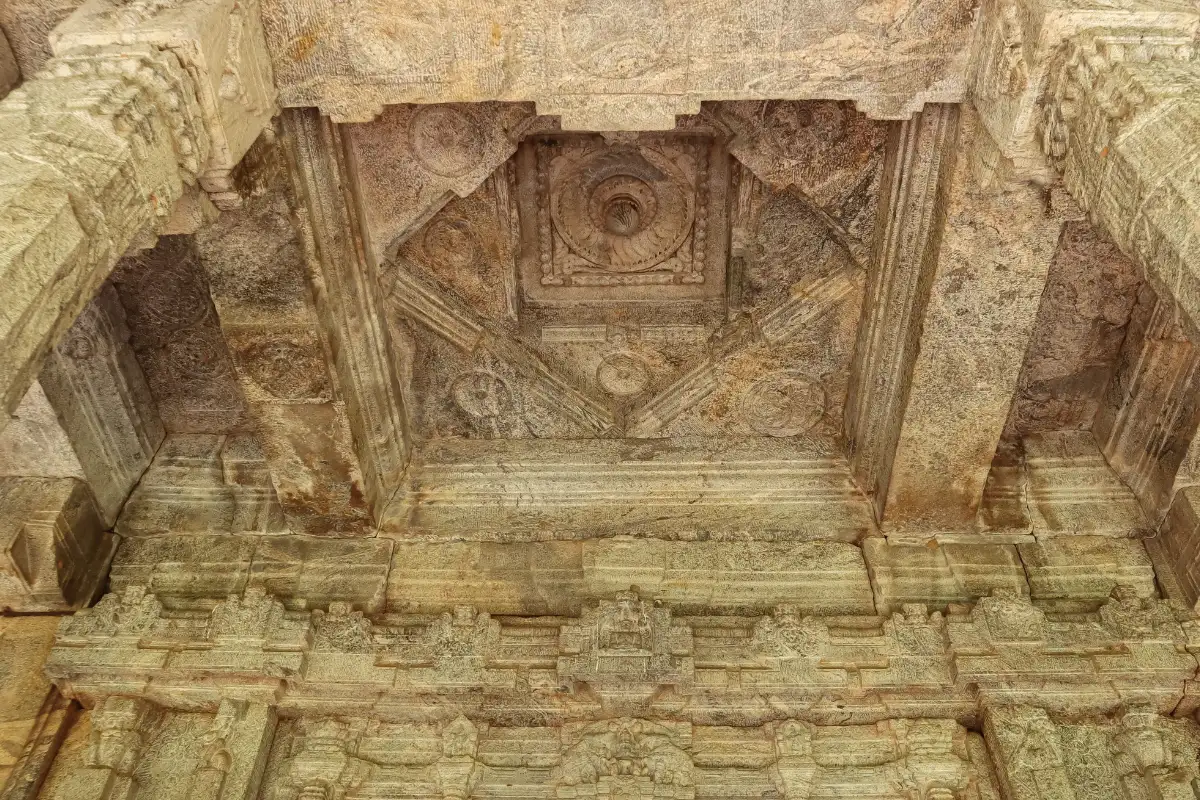
Udupi’s religious heritage extends beyond Sri Krishna Matha. The ancient Anantheshwara Temple, located close to the Krishna temple complex, is an important Shiva shrine with a significant place in the spiritual history of the city.
Nearby, the Chandramouleshwara Temple is another historic shrine that can conveniently be explored while walking through the old temple quarter. Together, these sacred places make the historic centre particularly rewarding for travellers interested in Udupi temples, Hindu pilgrimage and South Indian spiritual heritage.
Morning and evening are especially atmospheric periods to explore the temple area, when devotees arrive for prayers and ceremonies and the surrounding streets become part of Udupi’s everyday religious life.
Things to Do in Udupi
A memorable Udupi travel experience combines spirituality, beaches, food and local culture. Begin with Sri Krishna Matha and the surrounding historic quarter before travelling towards Malpe to experience the Arabian Sea coastline.
A seasonal excursion towards St. Mary’s Islands can be combined with an evening at Malpe Beach, while another day can include Kapu Beach and the quieter coastal countryside. Photography enthusiasts will find interesting subjects in fishing harbours, temples, coconut groves, traditional houses and village landscapes.
Food enthusiasts should also spend time discovering authentic Udupi cuisine. Experiencing regional vegetarian dishes in the place where this famous culinary tradition developed adds an important cultural dimension to an Udupi holiday.
Shopping Guide
Shopping in Udupi reflects the city’s religious traditions and coastal identity. The streets around the temple quarter contain shops selling traditional clothing, religious souvenirs, incense, devotional items, handicrafts and regional food products.
Local markets are also good places to discover spices, cashews, sweets, traditional snacks and coconut-based products. Travellers looking for an authentic Udupi local experience can explore markets where residents shop for flowers, fruits, vegetables, spices and temple offerings.
The experience is less about luxury shopping and more about discovering everyday products connected with the traditions and flavours of coastal Karnataka.
Where to Eat in Udupi
No Udupi travel guide would be complete without exploring the city’s famous food culture. Udupi has given its name to a vegetarian culinary tradition that is now recognised across India and internationally.
Traditional Udupi cuisine makes extensive use of rice, lentils, vegetables, coconut and carefully balanced spices. Visitors can enjoy dishes such as Masala Dosa, Idli, Vada, Sambar, Rasam, Kosambari, Vegetable Palya, Payasam and Filter Coffee. Eating a traditional vegetarian meal in Udupi provides an opportunity to experience these familiar dishes within their regional cultural setting.
The wider district also has a strong coastal food culture, particularly around fishing communities. This contrast between traditional vegetarian Udupi cooking and the broader culinary traditions of the coast makes food an important part of a coastal Karnataka travel experience.
Festivals in Udupi
The Paryaya festival in Udupi is one of the city’s most significant religious events. Held every two years, it marks the ceremonial transfer of responsibility for worship and administration at Sri Krishna Matha between the traditional Mathas associated with the temple.
Krishna Janmashtami in Udupi is another important celebration, bringing devotional ceremonies and cultural activities to the historic centre. Deepavali, Navaratri and numerous local temple festivals also contribute to the region’s rich cultural calendar.
Visiting during a major festival can provide a deeper understanding of Udupi culture and spiritual traditions, although travellers should expect larger crowds around the principal temples during important celebrations.
Best Time to Visit Udupi
The best time to visit Udupi is generally between October and February, when conditions are more comfortable for temple sightseeing, walking, beach visits and coastal excursions. These months are particularly suitable for families and travellers planning a longer Karnataka coastal tour.
The monsoon months from June to September transform the surrounding countryside into an intensely green landscape. Coconut groves, agricultural fields and village roads become especially beautiful, although heavy rainfall and rough sea conditions can affect beaches and boat excursions.
March to May is generally warmer and more humid. Early morning temple visits and late-afternoon beach excursions can provide a more comfortable way to experience Udupi during the hotter months.
Experience Udupi with Local Guide India
At Local Guide India, we believe Udupi should be experienced as much more than a pilgrimage destination. Its real character emerges through its ancient temples, authentic Udupi cuisine, Arabian Sea beaches, fishing communities, coconut-lined villages and coastal Karnataka traditions.
Whether you are planning an Udupi sightseeing tour, Karnataka temple tour, South India pilgrimage, family holiday, beach vacation or coastal Karnataka itinerary, Local Guide India creates personalised journeys combining celebrated attractions with meaningful local experiences.
Udupi can also be included in a longer journey connecting Mangaluru, Chikkamagaluru, Shivamogga, Murudeshwar and Gokarna, creating a varied South India itinerary through temples, mountains, forests and the Arabian Sea coastline.
Website: www.localguideindia.com
WhatsApp: +91 8233335370
Top Things to do in Udupi

Other Popular Tour Guides in Udupi

All Photos (7)