
City Details
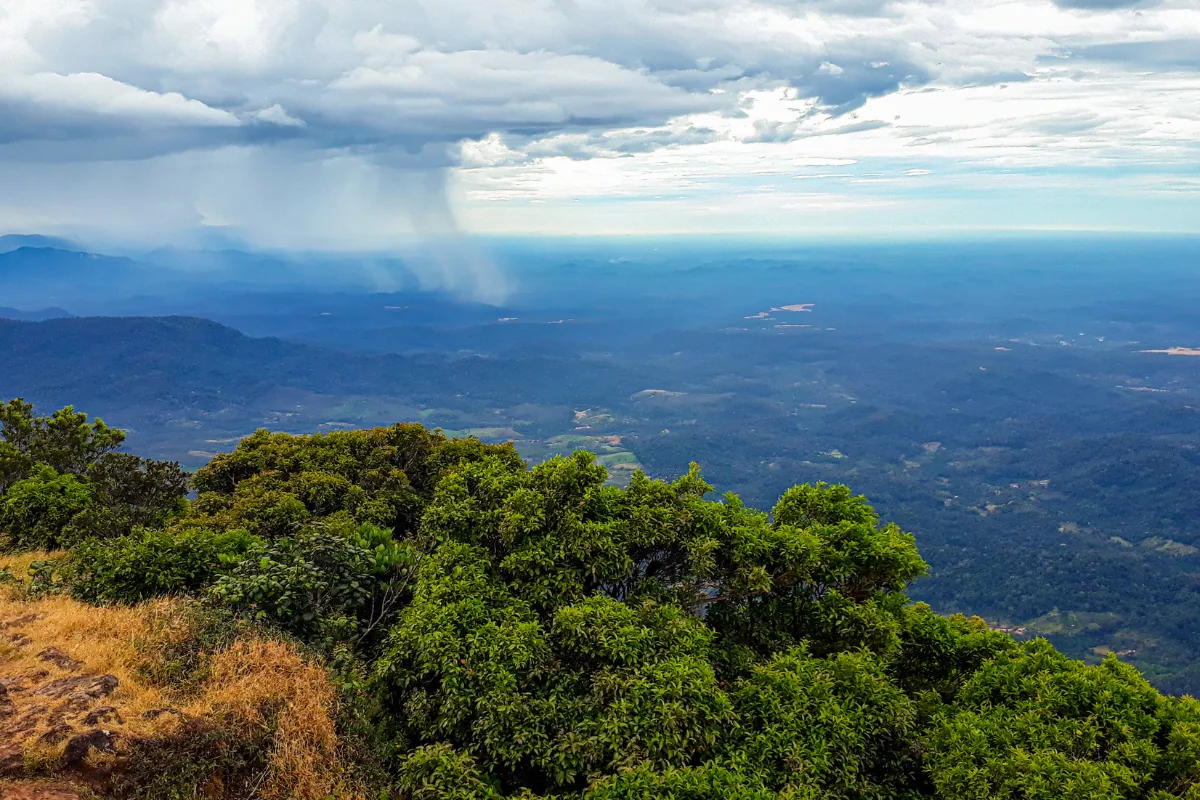
Explore Shivamogga’s Waterfalls, Wildlife, and Heritage
Shivamogga (Shimoga) – The Gateway to Karnataka’s Malnad
Shivamogga, traditionally known as Shimoga, is one of Karnataka’s most naturally diverse destinations, where the forested landscapes of the Western Ghats meet rivers, waterfalls, wildlife sanctuaries, historic temples, and fertile countryside. Often described as the Gateway to Malnad, Shivamogga offers travellers a quieter alternative to Karnataka’s better-known tourist centres.
The region is shaped by important rivers, including the Tunga, Bhadra, Sharavathi, and Varada, which create fertile valleys and spectacular waterfalls. Dense forests, areca plantations, paddy fields, misty hills, and small villages give the district a distinctly green character.
From witnessing the dramatic Jog Falls to exploring wildlife around Sakrebailu and discovering the heritage of Keladi and Ikkeri, a Shivamogga holiday combines nature, history, spirituality, and rural Karnataka. It is an excellent destination for families, photographers, wildlife enthusiasts, and travellers exploring the Western Ghats.
Top Tourist Attractions in Shivamogga
Shivamogga’s attractions extend far beyond the city itself. Waterfalls, forests, reservoirs, temples, and historical sites are spread across the wider district, making road journeys through the countryside an essential part of the experience.
Jog Falls – One of Karnataka’s Greatest Natural Wonders
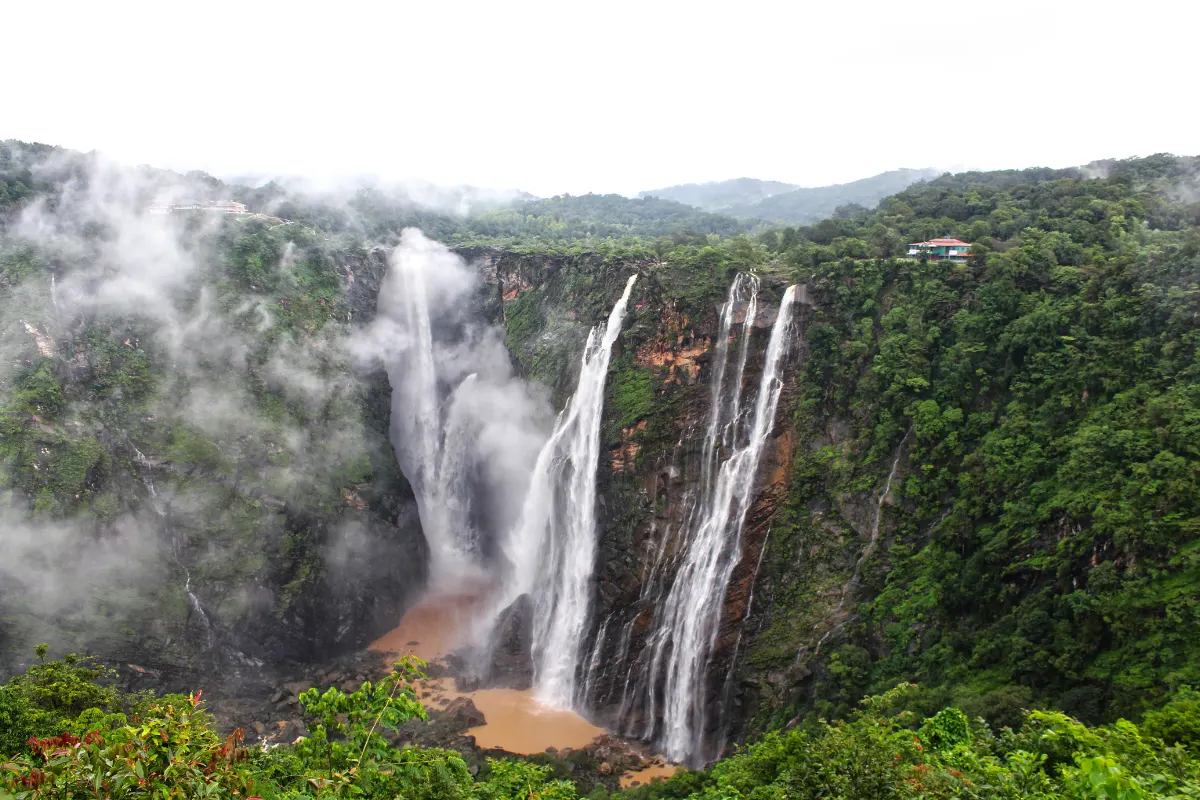
Jog Falls is the most famous attraction associated with the Shivamogga region and one of India’s most spectacular waterfalls. Created by the Sharavathi River, the water plunges from a height of approximately 253 metres, making Jog one of the country’s highest plunge waterfalls.
Traditionally, the waterfall is described as four distinct cascades named Raja, Rani, Roarer, and Rocket. During periods of strong water flow, these streams combine to create a dramatic wall of water surrounded by the green landscapes of the Western Ghats.
The monsoon and post-monsoon periods usually provide the most powerful scenery, although water levels vary considerably according to rainfall and upstream conditions.
Local Expert Tip: Morning visits can offer beautiful views before clouds and mist obscure the valley, particularly during the rainy season.
Sakrebailu Elephant Camp
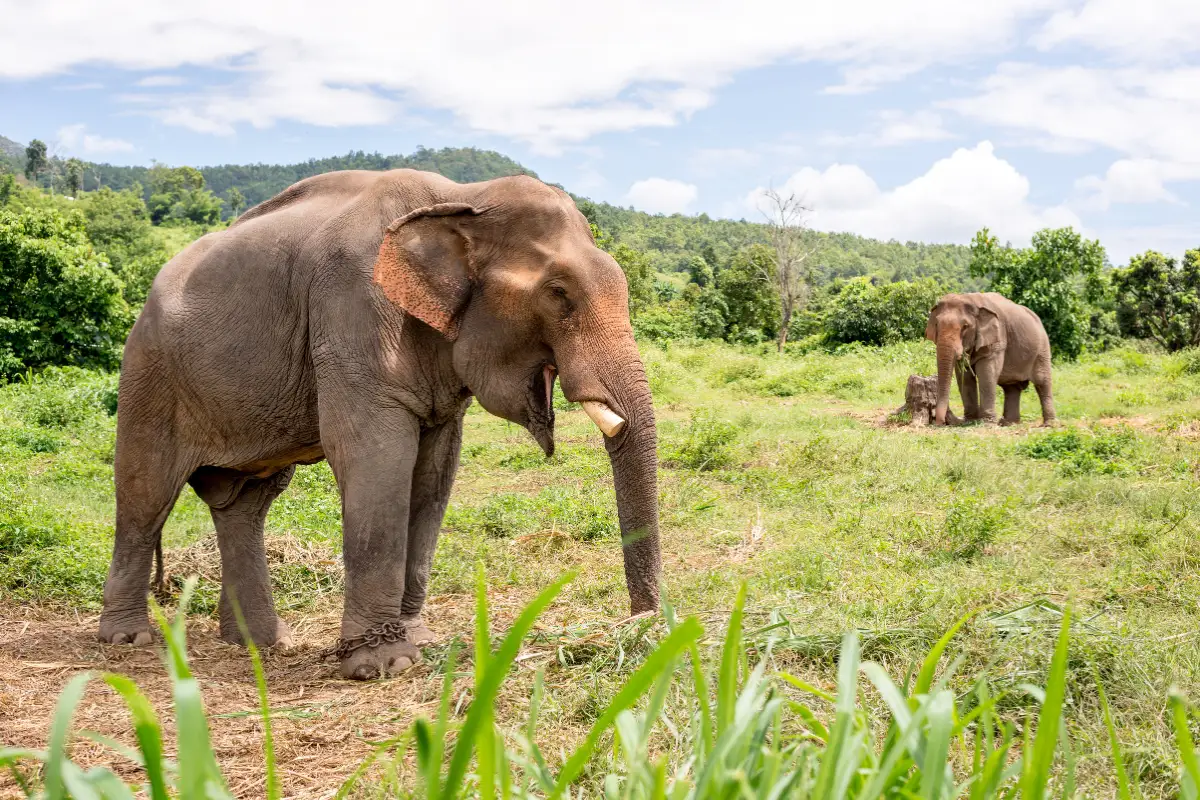
Located outside Shivamogga city beside the Tunga River, Sakrebailu Elephant Camp is one of the region’s best-known wildlife attractions.
The camp provides an opportunity to observe elephants and learn more about their care and management. The riverside forest setting adds to the experience, particularly during the cooler hours of the morning.
Sakrebailu can be combined with other natural attractions around Shivamogga for travellers interested in wildlife and forest landscapes.
Kodachadri – Mountains of the Western Ghats
Kodachadri is one of Karnataka’s most celebrated mountain landscapes. Rising to approximately 1,343 metres, the peak is surrounded by dense forests and forms part of the Western Ghats.
The journey towards Kodachadri passes through rural landscapes before climbing into increasingly wild mountain terrain. Trekking is one of the principal attractions, although jeep routes are also used to access the higher reaches.
From the upper areas, visitors can experience expansive views of forested hills stretching towards the western horizon. Changing weather, mist, and clouds frequently add to the dramatic scenery.
Gajanur Dam
Built across the Tunga River, Gajanur Dam is a peaceful destination surrounded by green countryside.
The reservoir and forested landscape provide a pleasant contrast to the city, particularly during and after the monsoon. The attraction can conveniently be combined with Sakrebailu because both lie along the same general route from Shivamogga.
Hidden Gems in Shivamogga
The wider Shivamogga region contains several remarkable places that receive fewer visitors than Jog Falls.
Kavaledurga Fort stands amid the Western Ghats and rewards visitors with a combination of trekking, history, ruined fortifications, temples, and panoramic mountain scenery. The climb through the green landscape is an important part of the experience.
Kundadri Hill is another beautiful mountain destination. An ancient Jain temple stands near its summit, surrounded by peaceful scenery and impressive views across the Western Ghats.
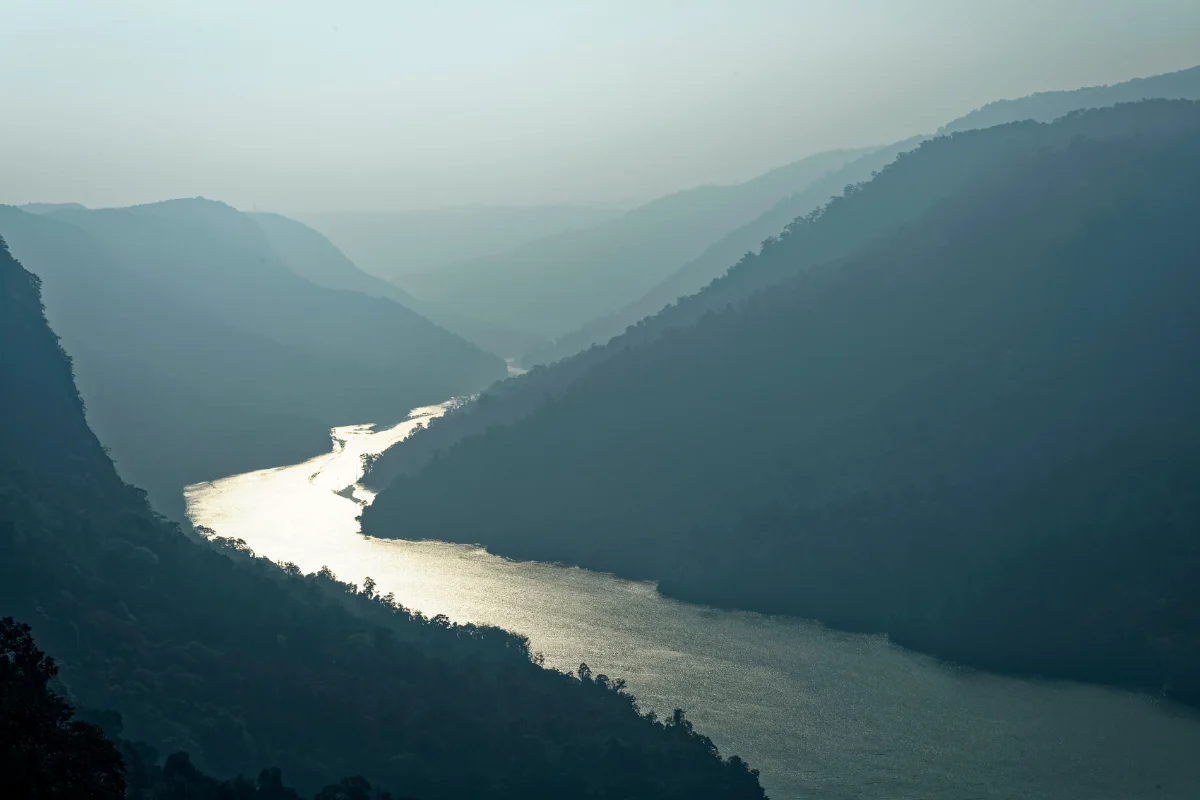
Near Jog Falls, travellers can explore the landscapes around the Sharavathi Valley, where forests, reservoirs, and river systems create some of Karnataka’s most impressive natural scenery.
These quieter locations make Shivamogga particularly rewarding for travellers who prefer exploring beyond conventional tourist routes.
Temples and Spiritual Sites in Shivamogga
Shivamogga district has a rich religious and architectural heritage that complements its natural attractions.
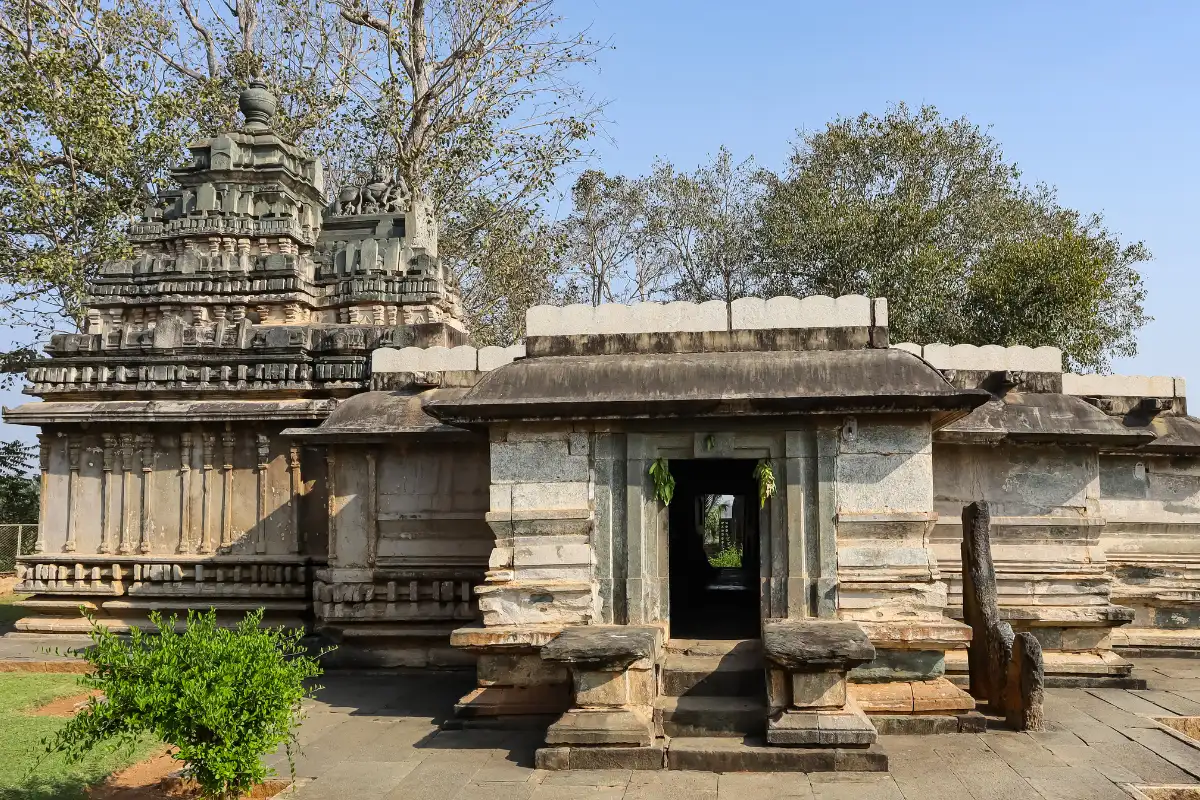
The historic village of Ikkeri, once associated with the Keladi Nayaka rulers, is home to the impressive Aghoreshwara Temple. Its stone architecture and sculptural details make it one of the region’s most significant heritage sites.
Nearby Keladi was an important capital of the Keladi Nayakas. Its Rameshwara Temple complex reflects different architectural influences and provides valuable insight into the history of this part of Karnataka.
The Jain temple on Kundadri Hill combines spirituality with an extraordinary mountain setting, while travellers heading towards Kodachadri can also include important pilgrimage sites in the surrounding Western Ghats.
Wildlife and Nature Experiences
Shivamogga is an excellent destination for travellers interested in the natural environment of Karnataka.
The Sharavathi Valley contains extensive forests and river landscapes that support rich biodiversity. The district’s location between the Malnad hills and Western Ghats creates habitats for numerous mammals, reptiles, butterflies, and bird species.
Birdwatching can be particularly rewarding around forests, reservoirs, and river valleys. Travellers should approach wildlife experiences patiently, as observing the landscape and smaller species can be as memorable as searching for larger animals.
The combination of waterfalls, forest reserves, mountains, rivers, and reservoirs makes Shivamogga particularly attractive for nature photography.
Things to Do in Shivamogga
A Shivamogga itinerary can combine waterfall sightseeing with trekking, heritage, wildlife, and scenic countryside drives.
Watching Jog Falls during the monsoon or post-monsoon period is the region’s signature experience. Adventure enthusiasts can trek through the Kodachadri landscape or climb towards Kavaledurga Fort, while photographers can explore the mist-covered Western Ghats and Sharavathi Valley.
History enthusiasts can spend time discovering Keladi and Ikkeri, while families can combine Gajanur Dam with Sakrebailu.
Shivamogga also works well within a longer Karnataka journey connecting Chikkamagaluru, Shivamogga, Udupi, Mangaluru, and the coastal region.
Shopping Guide
Shopping in Shivamogga reflects the agricultural traditions of the Malnad region.
Local markets sell areca nut, spices, coffee, traditional snacks, honey, handicrafts, and regional food products. Travellers can also find locally grown pepper and other plantation products from the Western Ghats.
Shivamogga city’s traditional markets provide an opportunity to experience everyday local life rather than shopping only in tourist-oriented stores.
Local Expert Tip: Regional spices, locally produced honey, and traditional Malnad food products make practical souvenirs from Shivamogga.
Where to Eat in Shivamogga
Food in Shivamogga reflects the flavours of Malnad cuisine, which differs from the coastal food of Mangaluru and the Kodava traditions of Coorg.
Rice forms an important part of local meals, accompanied by vegetables, lentils, coconut, spices, and seasonal ingredients. Akki Rotti, prepared from rice flour, is a popular regional speciality.
Other dishes worth discovering include Kadubu, Pathrode, Neer Dosa, Jackfruit preparations, local chutneys, and traditional Karnataka meals. Seasonal ingredients play an important role in Malnad cooking, particularly during the monsoon.
A traditional home-style meal is one of the best ways to appreciate the culinary identity of the region.
Festivals in Shivamogga
Shivamogga celebrates Karnataka’s major festivals alongside local religious and agricultural traditions.
Ugadi, Deepavali, Dussehra, and Makara Sankranti are celebrated throughout the district with temple ceremonies, family gatherings, decorations, and traditional food.
Local temple festivals in smaller towns and villages provide a more intimate view of Malnad culture, often combining religious rituals with music, community celebrations, and regional traditions.
Cultural events associated with Karnataka’s literature, folk arts, and music also reflect Shivamogga’s strong connection with Kannada heritage.
Best Time to Visit Shivamogga
The best time to visit Shivamogga depends on the experience you want.
For comfortable sightseeing, trekking, temples, and outdoor exploration, October to February generally offers pleasant conditions.
Travellers whose priority is Jog Falls should consider the monsoon and early post-monsoon months, when rainfall usually produces stronger water flow. The June to September monsoon also transforms the entire Malnad region into an intensely green landscape of misty forests, overflowing streams, and waterfalls.
Rain can occasionally affect trekking and road travel, so the season offers spectacular scenery but requires greater flexibility.
Experience Shivamogga with Local Guide India
At Local Guide India, we believe Shivamogga should be explored beyond Jog Falls. The region’s true character emerges through its Western Ghats forests, Malnad villages, historic temples, mountain trails, rivers, waterfalls, local cuisine, and lesser-known heritage sites.
Whether you are planning a nature holiday, a family journey, a trekking adventure, a photography tour, or a longer Karnataka itinerary connecting Chikkamagaluru, Shivamogga, Udupi, and Mangaluru, we create personalised experiences that reveal the natural and cultural diversity of this remarkable part of Karnataka.
Website: www.localguideindia.com
WhatsApp: +91 8233335370
Top Things to do in Shivamogga

Other Popular Tour Guides in Shivamogga

All Photos (5)