
City Details

Khajuraho

Explore Khajuraho : UNESCO Temples, Sculptures & Chandela Heritage

Khajuraho: Sacred Temples, Sculpted Stories & the Artistic Legacy of the Chandelas

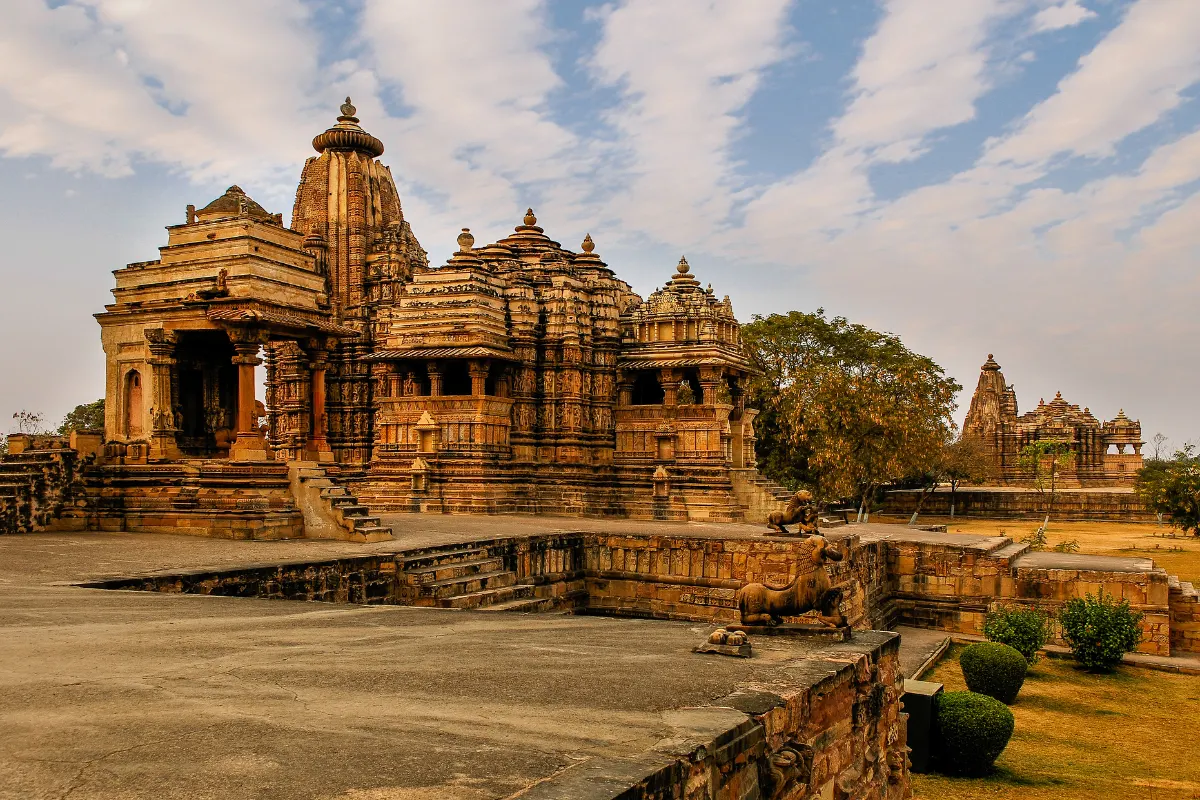
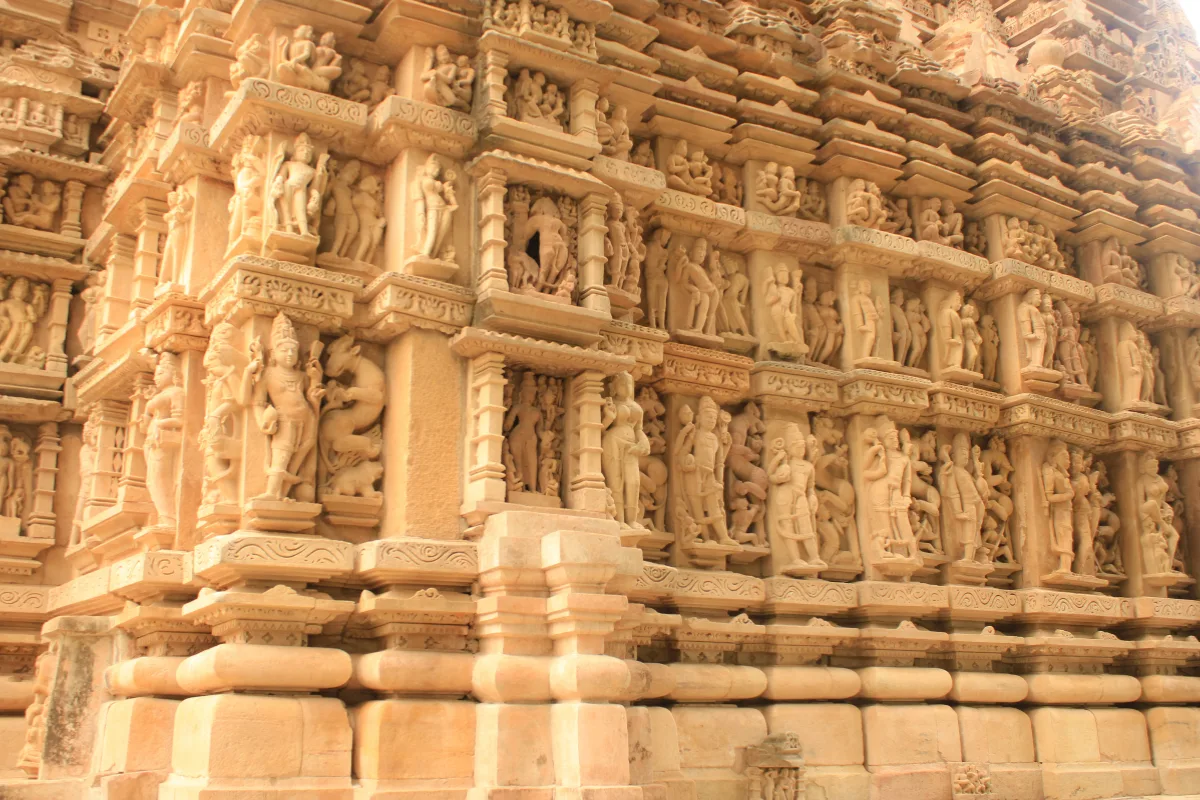
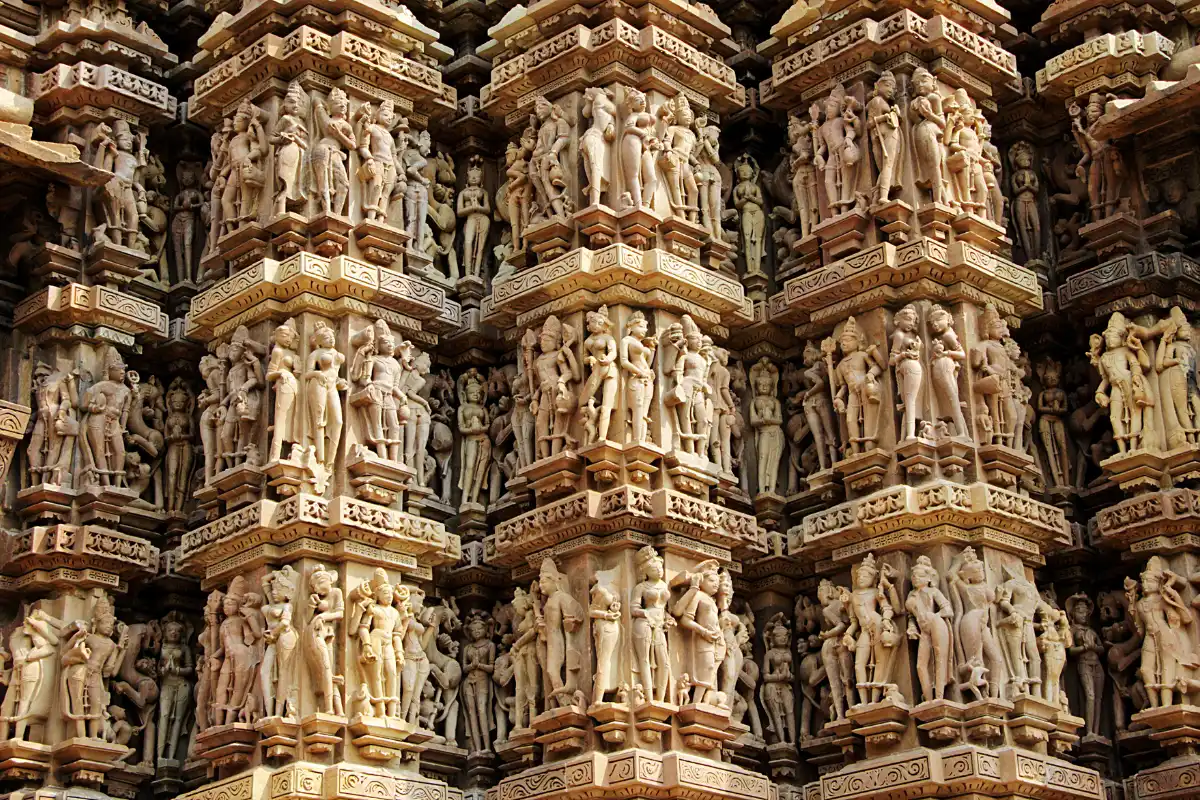
Khajuraho is one of India’s most extraordinary temple destinations, a place where architecture and sculpture come together with remarkable refinement. Rising from the plains of Madhya Pradesh, its magnificent stone temples were created under the Chandela dynasty, principally between the 10th and 11th centuries. today, the Khajuraho Group of Monuments is recognised as a UNESCO World Heritage Site and represents one of the great achievements of medieval Indian architecture. khajuraho is often associated internationally with its erotic sculptures, but these famous images form only one element within a much broader artistic universe. The temple walls portray gods and goddesses, musicians, dancers, warriors, mythical beings, couples, animals and scenes inspired by different aspects of life. among the essential places to visit in Khajuraho are the Western Group of Temples, Kandariya Mahadeva Temple, Lakshmana Temple, Vishvanatha Temple and the important Jain monuments of the Eastern Group.

To truly appreciate Khajuraho, look beyond individual sculptures and discover how architecture, spirituality and human experience were brought together in stone.


The Chandela Legacy – A Remarkable Age of Temple Building

Khajuraho flourished under the Chandela rulers, who governed an important kingdom in central India. during their period of power, an exceptional group of temples was constructed here, dedicated principally to Hindu deities as well as to the Jain tradition. only a portion of the original temple complex survives today, but the remaining monuments are sufficient to demonstrate the extraordinary sophistication achieved by Chandela architects and sculptors. the temples are notable for their elevated platforms, richly decorated exterior walls and soaring towers that create a powerful vertical rhythm.

A knowledgeable local guide in Khajuraho can help connect these architectural features with the religious beliefs, artistic traditions and political history of the Chandela period.


Western Group of Temples – The Heart of Khajuraho

For most visitors, the Western Group of Temples is the centrepiece of Khajuraho sightseeing. this beautifully maintained archaeological zone contains several of the destination's most celebrated monuments within a relatively compact area. walking through the complex reveals an impressive succession of temples rising above landscaped grounds. from a distance, attention is drawn towards their tall shikharas. Up close, the walls reveal layer after layer of sculpture.

The Western Group deserves several hours rather than a rushed visit. The artistic details become increasingly fascinating once you begin recognising recurring figures, stories and symbols.

Kandariya Mahadeva – Khajuraho at Its Most Magnificent

The magnificent Kandariya Mahadeva Temple is widely regarded as one of the architectural masterpieces of Khajuraho. dedicated to Lord Shiva, the temple represents the mature sophistication of Chandela architecture. its central tower rises dramatically above a cluster of smaller architectural forms, creating an effect sometimes compared to a mountain range. the exterior is covered with an extraordinary concentration of sculptures arranged across multiple levels. deities, celestial figures, musicians and human forms seem to animate the entire surface of the building.

Rather than appearing as decoration added to architecture, sculpture and architecture become almost inseparable.

Lakshmana Temple – Stories across the Stone

The Lakshmana Temple is another essential monument within the Western Group. dedicated to Vishnu, it is one of the important surviving temples from the earlier phase of Khajuraho's great building period. its exterior contains richly organised sculptural bands portraying divine figures, human activity, animals and mythological subjects. walking slowly around the temple is one of the best ways to understand the visual language of Khajuraho.

A guided explanation can transform what initially appears to be an overwhelming quantity of decoration into a sequence of recognisable themes and stories.

Vishvanatha Temple – Devotion to Shiva

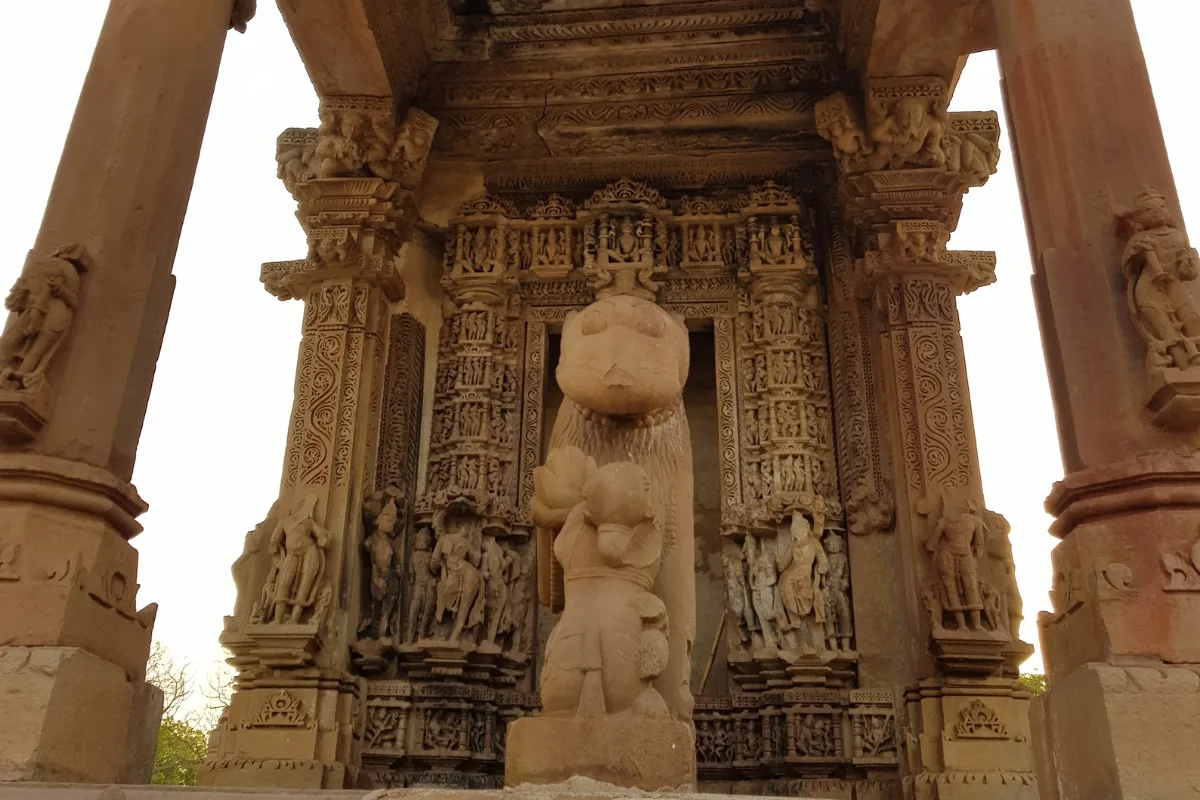
The Vishvanatha Temple, dedicated to Lord Shiva, adds another dimension to the Western Group. its architecture and sculptural decoration demonstrate the remarkable consistency of the artistic tradition while still revealing individual features. nearby representations associated with Nandi, Shiva's sacred bull, reinforce the religious identity of the monument.

Visiting several temples together allows travellers to compare architectural plans, divine imagery and sculptural styles rather than seeing Khajuraho as a single monument.

Beyond the Erotic Sculptures – Understanding Khajuraho's Art

The erotic sculptures of Khajuraho are famous, but they represent only a small proportion of the overall sculptural programme. across the temple walls, visitors encounter an enormous variety of subjects: deities, guardians, dancers, musicians, warriors, animals, mythical beings and scenes of everyday and courtly life. sensuality forms part of this larger artistic world rather than defining it completely. scholars have proposed different interpretations for the erotic imagery, and it is wise to avoid simplistic explanations presenting one theory as definitive. a good Khajuraho temple tour places these sculptures within the broader context of medieval Indian religion, aesthetics, society and symbolism.

This makes the experience considerably richer than simply searching for Khajuraho's most famous images.

Sculpture in Motion – Dancers, Musicians & Celestial Figures

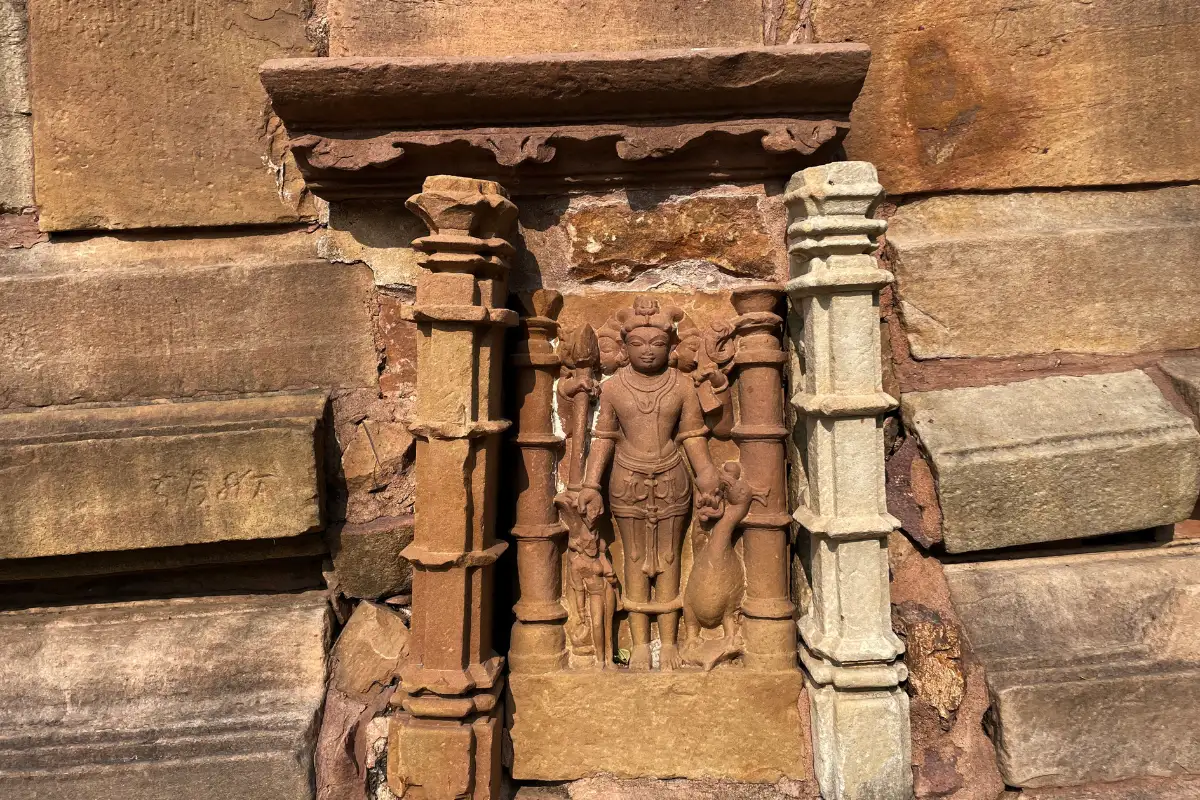
One of the remarkable characteristics of Khajuraho sculpture is its sense of movement. figures twist, dance, apply ornaments, play musical instruments and interact with one another. jewellery, hairstyles, clothing and gestures are rendered with extraordinary attention to detail. many female figures appear graceful and animated rather than rigid, creating a visual rhythm across the temple walls.

Spend time looking closely at these smaller compositions. Khajuraho's artistry often reveals itself most beautifully through details that are easily missed during a quick visit.

The Eastern Group – Hindu & Jain Heritage

Khajuraho's heritage extends beyond the famous Western Group. the Eastern Group includes important monuments connected with both Hindu and Jain traditions. the Jain temple area, including Parsvanatha Temple, provides another perspective on the religious diversity of medieval Khajuraho. its sculptures and architectural details reward careful observation, while the atmosphere can feel different from the busier Western Group.

Travellers with a full day or more should include these temples rather than limiting their visit to the most famous monuments.

A Living Sacred Landscape

Although Khajuraho is internationally celebrated as an archaeological destination, its religious traditions have not completely disappeared into history. the Matangeshvara Temple, close to the Western Group, remains an active place of Hindu worship. this creates an interesting contrast between protected archaeological monuments and a temple where contemporary religious practices continue.

Observing this living dimension helps travellers remember that Indian temples are not simply works of architecture. They belong to traditions of faith that continue to shape everyday life.

Khajuraho Archaeological Museum

Travellers with a deeper interest in sculpture and history can complement their temple visits with a museum experience. collections associated with Khajuraho's archaeological heritage provide an opportunity to examine individual sculptural works separately from the monumental temple façades. this can be particularly useful after a guided temple visit, when travellers have already learned to recognise some of the principal iconographic themes.

Museum opening arrangements can change, so current timings should be checked locally.

Khajuraho after Sunset

Khajuraho becomes especially atmospheric as the strong daytime light begins to soften. depending on current schedules, visitors may find cultural performances or evening programmes connected with the temple heritage. the destination is also associated with the Khajuraho Dance Festival, which celebrates Indian classical dance against the remarkable backdrop of the historic temples. festival dates and programmes vary each year, so travellers planning around a particular event should verify current arrangements in advance.

Even without a special event, an evening in Khajuraho offers a welcome opportunity to slow down after exploring the monuments.

Panna – Add Nature to Your Khajuraho Journey

Khajuraho can also be combined with the natural landscapes around Panna. the wider region offers forests, river scenery and wildlife experiences, creating an interesting contrast with the architectural focus of Khajuraho. for travellers continuing through central India, combining heritage and nature can add variety to the itinerary.

Wildlife sightings are never guaranteed, and safari access, zones and seasonal arrangements should always be checked before travel.

Raneh Falls & the Landscape around Khajuraho

Another excursion from Khajuraho leads towards Raneh Falls, where the Ken River passes through a dramatic rocky landscape. the geological formations and canyon-like scenery provide a completely different experience from the temples. water levels and the appearance of the falls vary significantly according to the season, particularly before and after the monsoon.

For travellers staying two nights or more, the excursion can provide a pleasant natural complement to a temple-focused itinerary.


Taste the Flavours of Madhya Pradesh

Khajuraho also provides an opportunity to discover the food traditions of Madhya Pradesh and central India. local meals may feature wheat breads, lentils, vegetables, rice and regional snacks, while North Indian dishes are widely available. rather than eating exclusively in hotel restaurants, travellers can include a carefully selected local dining experience.

Food provides another way to move beyond Khajuraho's archaeological image and connect the monuments with the contemporary region surrounding them.


When Is the Best Time to Visit Khajuraho?

The period from October to March generally provides the most comfortable conditions for exploring Khajuraho. much of the visit involves walking outdoors between temples, so cooler months are particularly pleasant. early morning and late afternoon also provide attractive light for viewing the warm tones and sculptural details of the monuments. the summer months can become extremely hot, making midday sightseeing challenging.

Whatever the season, allow enough time to walk around the temples rather than viewing them only from the front.


How Many Days Do You Need in Khajuraho?

For most travellers, one full day is sufficient to explore the principal Western and Eastern temple groups with a knowledgeable guide. however, two nights provide a much more comfortable experience. this allows time for the temples without rushing and makes it possible to add Panna, Raneh Falls, a cultural programme or simply a quieter exploration of the town.

Travellers particularly interested in Indian art, Hindu iconography, architecture or photography may want even longer.


Connect Khajuraho with North & Central India

Khajuraho can become an excellent stage in a wider cultural journey through India. depending on transport connections and itinerary design, it can be combined with Orchha and Jhansi, creating a route through some of central India's most fascinating historical destinations. it can also form part of a longer journey connecting Delhi, Agra, Gwalior, Orchha and Varanasi. for travellers interested in India's great temple traditions, Khajuraho also creates fascinating comparisons with the Hoysala temples of Belur and Halebidu, the Chalukya monuments around Badami and Pattadakal, and the monumental sacred architecture of Tamil Nadu.

Each region tells a very different story through stone.


Read the Sculpted Stories of Khajuraho with Local Guide India

At Local Guide India, we believe Khajuraho is one of the destinations where a knowledgeable guide adds the greatest value. thousands of figures cover the temples, and understanding their deities, mythology, symbolism, architectural placement and historical context changes the experience completely. our experienced local guides in Khajuraho can help you look beyond the famous sculptures and understand the extraordinary artistic world created under the Chandela dynasty. we can arrange a private Khajuraho sightseeing tour, Western Group guided visit, Khajuraho temple tour, Chandela heritage walk, Khajuraho UNESCO tour or French-speaking guide in Khajuraho, according to your interests and available time.

Khajuraho can also be incorporated into a private journey through Madhya Pradesh and North India, connecting destinations such as Orchha, Gwalior, Agra and Varanasi.

Look beyond Khajuraho's famous images, follow the stories carved across its temple walls and discover one of the most sophisticated artistic landscapes of medieval India.

WhatsApp: +91 8233335370
Website: www.localguideindia.com

Top Things to do in Khajuraho

Hawa Mahal

Hawa mahel is superb things which we need to show

Rs. 250.00 Rs. 250.00

View Details
Other Popular Tour Guides in Khajuraho

Manish Gupta 2

Rs. 250.00 Rs. 250.00

View Profile
Go To Top