
City Details
Explore Chikkamagaluru’s Coffee, Mountains, and Nature
Chikkamagaluru – The Coffee Land of Karnataka
Chikkamagaluru, often written as Chikmagalur, is one of Karnataka’s most beautiful hill destinations, known for its coffee estates, mist-covered mountains, waterfalls, forests, and peaceful countryside. Set against the dramatic landscape of the Western Ghats, Chikkamagaluru combines outdoor adventure with plantation culture, ancient temples, wildlife, and traditional Karnataka hospitality.
The district holds a special place in India’s coffee story and is widely associated with the beginnings of coffee cultivation in the country. Today, plantations spread across the hills surrounding the town, creating a landscape of shade trees, coffee bushes, pepper vines, and winding country roads.
From climbing Karnataka’s highest peak to walking through coffee estates and discovering spectacular waterfalls, a Chikkamagaluru holiday is ideal for nature lovers, couples, families, photographers, and travellers exploring South India.
Top Tourist Attractions in Chikkamagaluru
Chikkamagaluru’s greatest attraction is its landscape. Mountains, plantations, waterfalls, lakes, forests, and historic religious sites are spread across the district, making scenic drives an important part of the experience.
Mullayanagiri – Karnataka’s Highest Peak
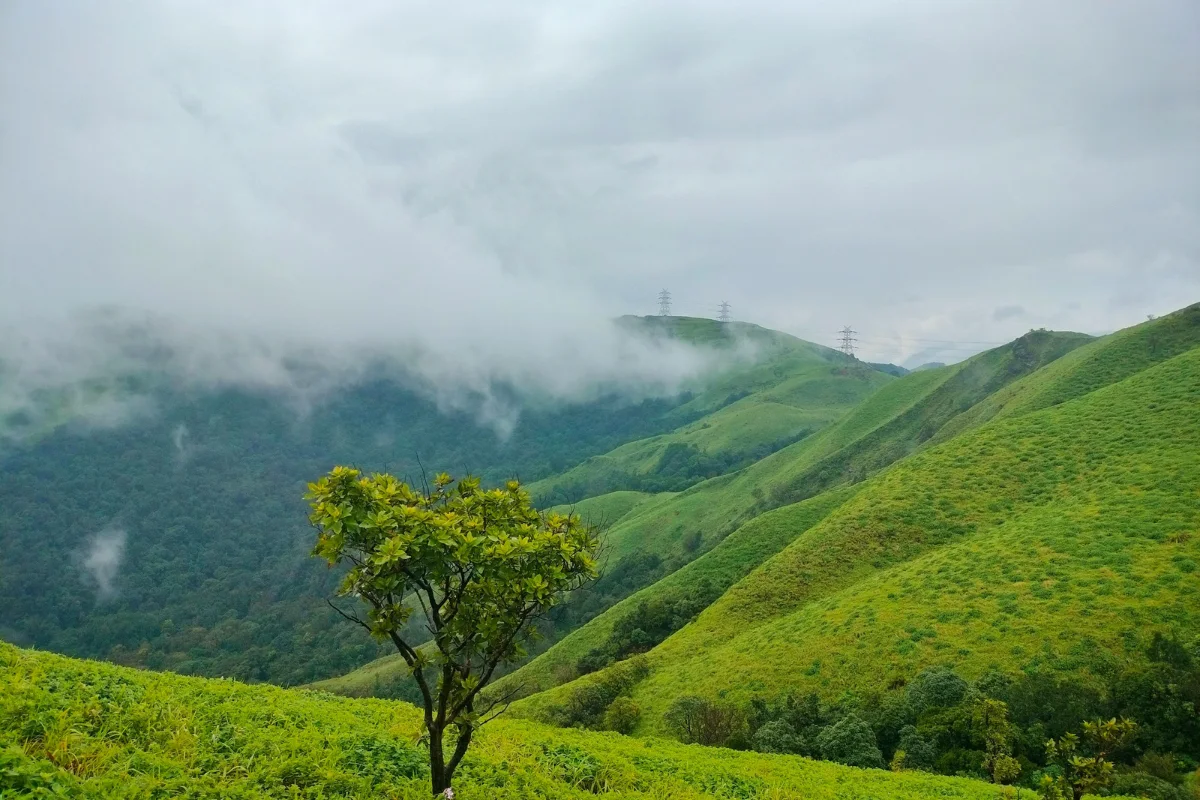
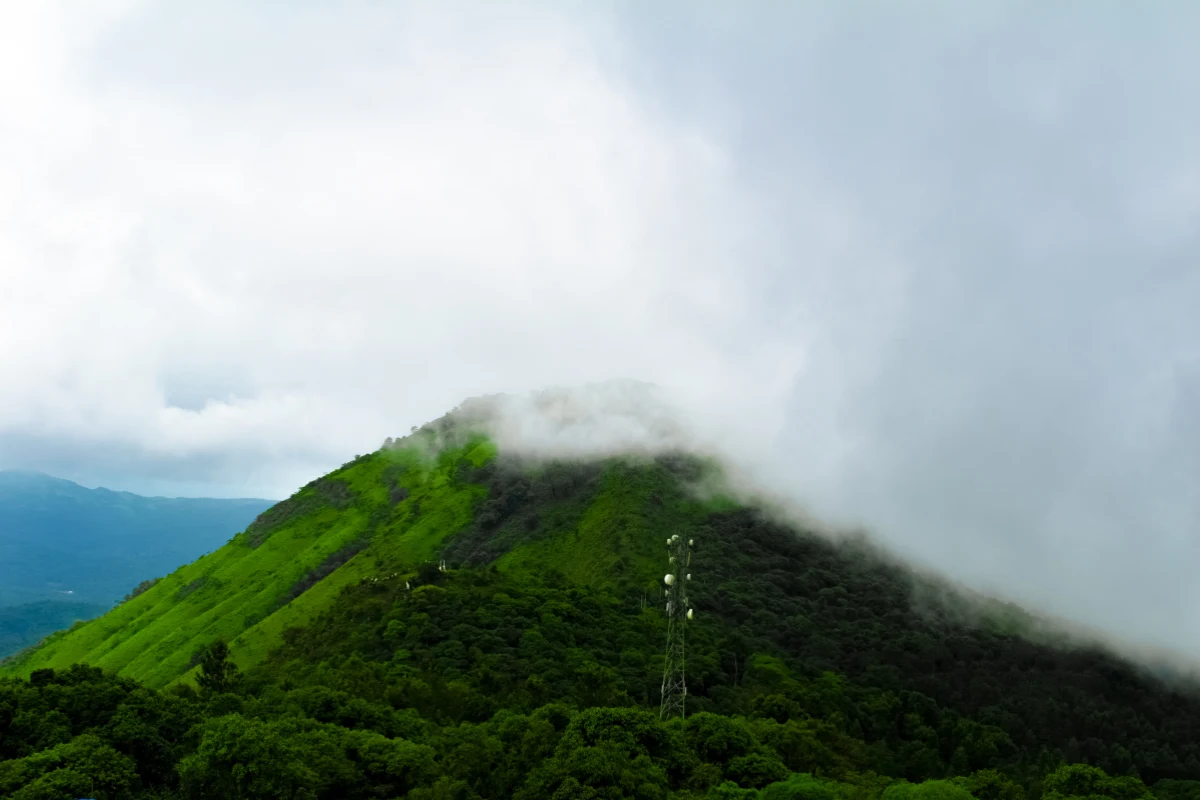
Rising to approximately 1,930 metres above sea level, Mullayanagiri is recognised as the highest peak in Karnataka and one of Chikkamagaluru’s most spectacular attractions.
The road towards the mountain climbs through increasingly dramatic scenery before reaching the upper slopes. A short climb leads towards the summit, where visitors are rewarded with sweeping views across the Western Ghats.
Clouds and mist can completely transform the landscape within minutes, making Mullayanagiri particularly appealing to photographers and nature enthusiasts.
Local Expert Tip: Early mornings generally offer a quieter atmosphere and dramatic mountain scenery, although visibility depends on weather conditions.
Baba Budangiri – Mountains, History and Faith
The Baba Budangiri mountain range is one of the most culturally significant areas around Chikkamagaluru. The hills are associated with the Sufi saint Baba Budan and occupy an important place in the story of coffee cultivation in India.
The mountain road itself is one of the highlights, passing through forests, grass-covered slopes, deep valleys, and viewpoints.
Baba Budangiri is also known for its religious importance, attracting visitors from different communities and giving the mountain landscape a spiritual dimension alongside its natural beauty.
Hebbe Falls – A Waterfall Hidden Among Plantations
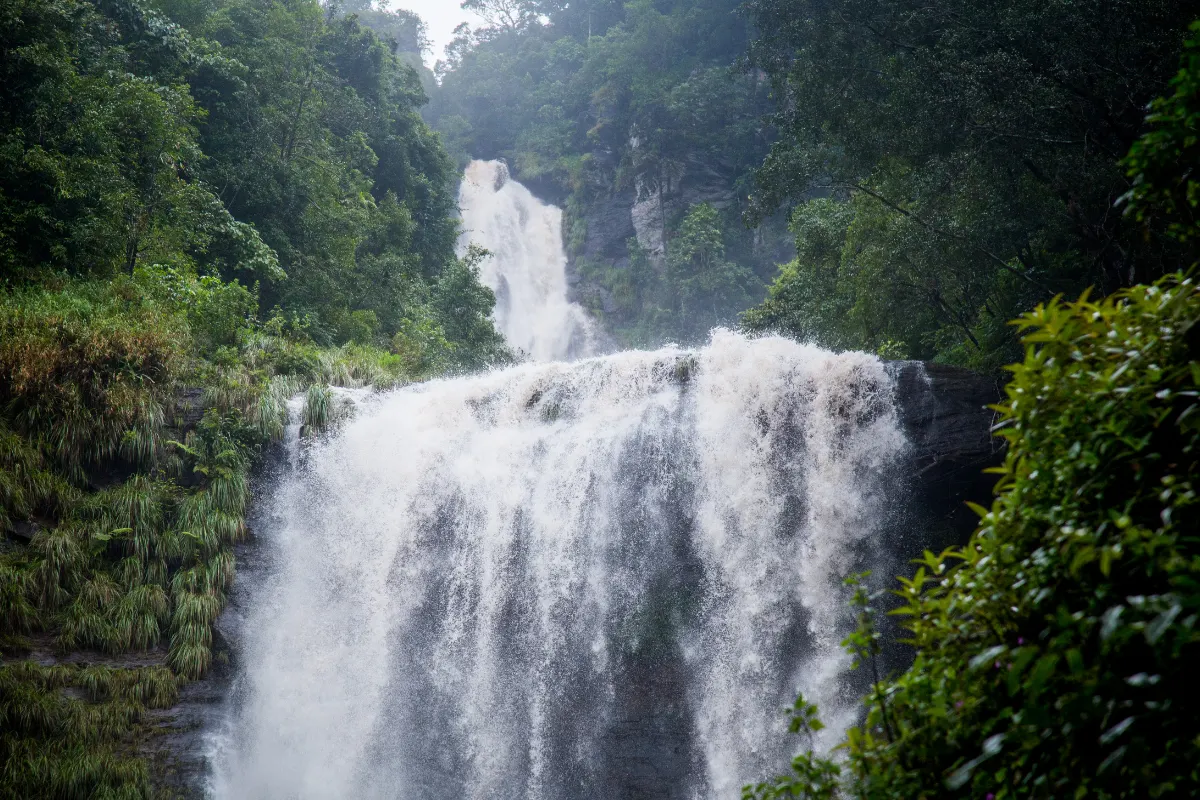
Surrounded by forest and coffee-growing countryside, Hebbe Falls is among the most beautiful waterfalls in the Chikkamagaluru region.
Water descends through the green landscape in multiple stages, creating an impressive natural setting. Reaching the falls is part of the experience, as access through the estate and forest landscape makes the journey feel more adventurous than a conventional roadside attraction.
The waterfall is particularly impressive during and after the monsoon when the surrounding vegetation is at its greenest.
Hirekolale Lake
Set against a backdrop of mountains, Hirekolale Lake is one of the most peaceful places near Chikkamagaluru town.
The calm water and surrounding Western Ghats create beautiful reflections, particularly when the weather is clear. The location is especially attractive during the late afternoon, when changing light adds depth to the mountain scenery.
Unlike the busier peaks and waterfalls, Hirekolale Lake provides an opportunity to simply slow down and enjoy the landscape.
Hidden Gems in Chikkamagaluru
Beyond the most famous tourist attractions, Chikkamagaluru offers quieter destinations that reveal the diversity of the region.
Z Point, near Kemmanagundi, provides impressive views across the surrounding hills and valleys. Reaching the viewpoint involves a short trek through mountain terrain, making the final panorama particularly rewarding.
Manikyadhara Falls, located in the Baba Budangiri hills, combines natural beauty with religious significance and is surrounded by striking mountain scenery.
Travellers seeking a more peaceful experience can explore the plantation roads and smaller villages surrounding Chikkamagaluru, where coffee estates, streams, forest patches, and agricultural landscapes offer a glimpse of everyday life away from the main tourist circuit.
Temples and Spiritual Sites in Chikkamagaluru
The Chikkamagaluru region combines natural beauty with an impressive religious heritage.
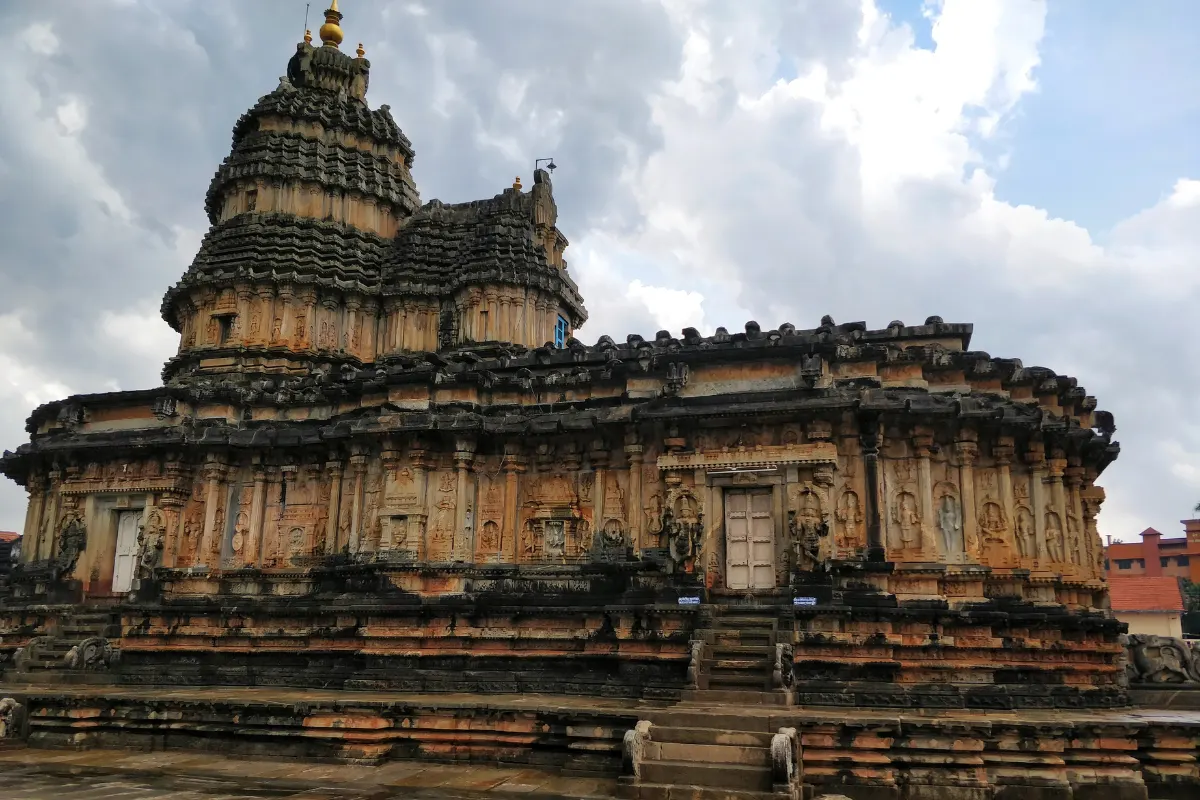
The Sharadamba Temple at Sringeri, situated on the banks of the Tunga River, is one of Karnataka’s most important spiritual centres. Sringeri is closely associated with Adi Shankaracharya and remains an important destination for Hindu philosophy and learning.
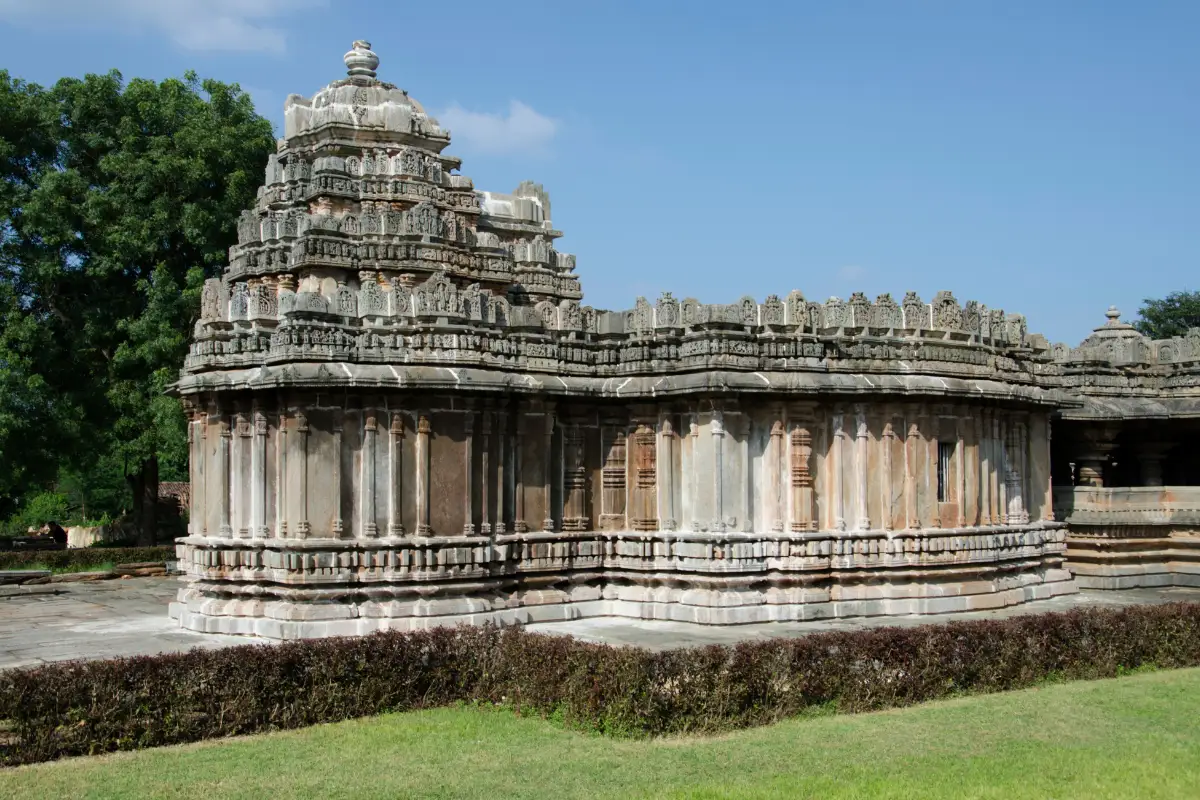
The historic Vidyashankara Temple at Sringeri is particularly notable for its stone architecture and detailed carvings.
Further east, the temples of Belur and Halebidu provide an extraordinary introduction to Hoysala architecture. Their remarkably detailed stone sculptures make them worthwhile additions to a wider Chikkamagaluru itinerary.
Coffee Plantations in Chikkamagaluru
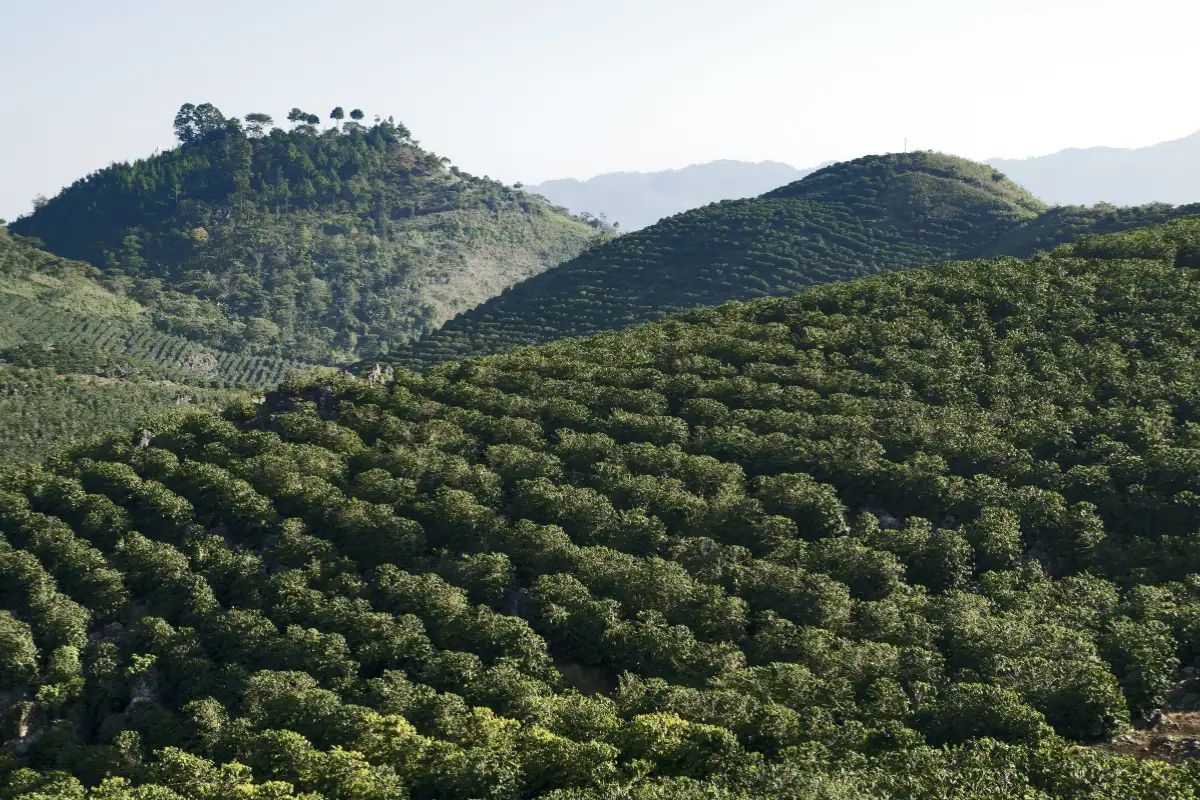
Coffee defines much of Chikkamagaluru’s identity. The region is closely associated with Baba Budan, who according to popular tradition introduced coffee beans to these hills centuries ago.
Today, coffee estates cover large areas around Chikkamagaluru. Plants grow beneath shade trees, often alongside pepper, arecanut, cardamom, and other crops.
A Chikkamagaluru coffee plantation tour allows travellers to understand how coffee moves from plant to cup. Depending on the season, visitors may encounter fragrant blossoms, developing coffee cherries, harvesting, drying, or processing.
Staying on a coffee estate provides an even deeper experience. Quiet mornings, plantation walks, birdlife, home-cooked meals, and freshly brewed coffee create a very different atmosphere from staying in a conventional city hotel.
Things to Do in Chikkamagaluru
Exploring the Western Ghats is at the heart of a Chikkamagaluru journey. Travellers can combine mountain drives to Mullayanagiri and Baba Budangiri with trekking, plantation walks, waterfalls, and photography.
Coffee enthusiasts can spend time on a working estate learning about cultivation and processing, while nature lovers can explore the forests and wildlife landscapes of the wider district.
Chikkamagaluru also works beautifully as part of a longer Karnataka itinerary connecting Bengaluru, Hassan, Belur, Halebidu, Chikkamagaluru, Coorg, and Mysuru.
Shopping Guide
Coffee is naturally one of the best things to buy in Chikkamagaluru. Local stores and plantation outlets sell Arabica and Robusta coffee, blends, roasted beans, and freshly ground coffee.
Visitors can also find pepper, cardamom, honey, spices, homemade chocolates, and other plantation products. Purchasing directly from established coffee estates can make the experience more meaningful, particularly when travellers have already visited the plantation where the coffee was grown.
Local Expert Tip: Ask about the roast and brewing method when buying local coffee so you can choose beans suited to your preferred preparation style.
Where to Eat in Chikkamagaluru
Chikkamagaluru offers a combination of traditional Karnataka cuisine, South Indian favourites, and contemporary cafés strongly influenced by the region’s coffee culture.
Local meals commonly feature rice, dosa, idli, vada, vegetable preparations, chutneys, sambar, and regional curries. Akki Rotti, made primarily from rice flour, is another Karnataka speciality worth discovering.
For coffee lovers, visiting a local café or plantation for freshly brewed regional coffee is an essential part of the experience. The taste of locally grown coffee enjoyed within sight of the hills where it was cultivated adds another dimension to a Chikkamagaluru journey.
Festivals in Chikkamagaluru
Chikkamagaluru celebrates Karnataka’s major religious and cultural festivals while retaining the traditions of its mountain communities.
Deepavali, Ugadi, Dussehra, and Makara Sankranti are celebrated throughout the district with family gatherings, temple ceremonies, and traditional food.
Religious festivals around Sringeri attract devotees from across India, while local temple celebrations and community events provide travellers with opportunities to experience traditions away from Karnataka’s major cities.
The coffee harvest season also brings a distinctive energy to plantation areas as estates become busy with picking and processing.
Best Time to Visit Chikkamagaluru
The most popular time to visit Chikkamagaluru is from September to March, when the weather is generally comfortable for mountain drives, trekking, plantation visits, and sightseeing.
The monsoon from June to September transforms the Western Ghats into a spectacular green landscape. Waterfalls become stronger, clouds descend over the mountains, and coffee estates appear particularly lush. Heavy rain, however, can affect trekking and road conditions.
For travellers primarily interested in coffee plantations, the experience changes with the agricultural cycle, from flowering to the development of coffee cherries and eventually the harvest.
Experience Chikkamagaluru with Local Guide India
At Local Guide India, we believe Chikkamagaluru should be experienced beyond its famous viewpoints. Its true character emerges through coffee estates, Western Ghats landscapes, mountain villages, waterfalls, ancient temples, local cuisine, and quiet plantation roads.
Whether you are planning a romantic getaway, a family holiday, a trekking adventure, a coffee plantation stay, or a longer Karnataka journey connecting Bengaluru, Mysuru, Coorg, Hampi, and Mangaluru, we create personalised experiences that help travellers discover the natural and cultural character of Chikkamagaluru.
Website: www.localguideindia.com
WhatsApp: +91 8233335370
Top Things to do in Chikkamagaluru

Other Popular Tour Guides in Chikkamagaluru

All Photos (6)