
City Details
Discover Aurangabad : Ajanta, Ellora Caves & Heritage Sites
Aurangabad: Ajanta, Ellora & a Journey through India’s Rock-Cut Heritage
Aurangabad, officially known as Chhatrapati Sambhajinagar, is one of Maharashtra’s great gateways to ancient Indian heritage.
Surrounded by extraordinary archaeological sites, medieval fortifications and monuments from different periods, the city provides an ideal base for exploring the UNESCO-listed Ajanta and Ellora Caves.
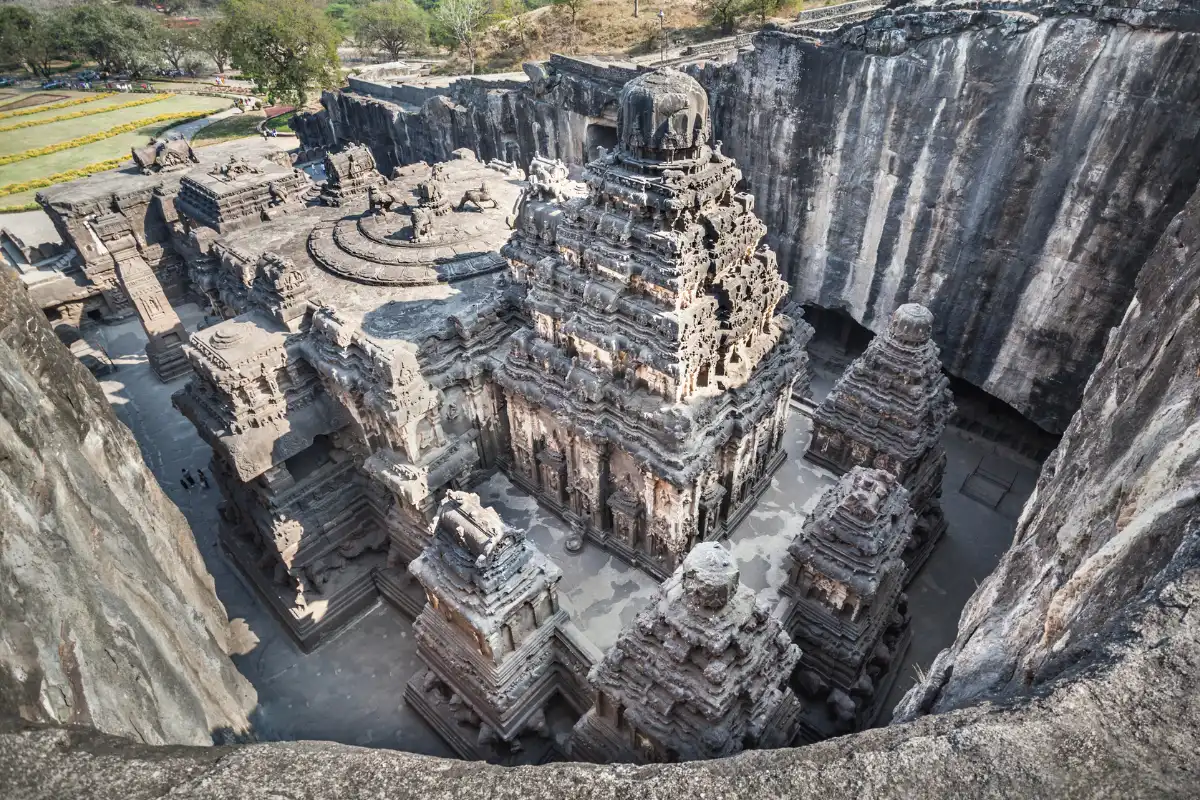
At Ellora, Buddhist, Hindu and Jain monuments were excavated into a dramatic rock escarpment, culminating in the astonishing Kailasa Temple, one of India's greatest rock-cut architectural achievements. the region also contains Daulatabad Fort, Bibi Ka Maqbara and Grishneshwar Temple, adding further layers to an already exceptional journey.
For travellers searching for the most rewarding places to visit in Aurangabad, the real experience extends far beyond the city itself. Allow several days to explore this remarkable crossroads of religion, architecture and history.
The Ajanta Caves are among India's most important archaeological treasures. carved into a horseshoe-shaped rock face overlooking a river gorge, the complex consists of Buddhist monuments created during different periods of ancient Indian history. t
A knowledgeable guide can help visitors distinguish between different cave types, periods and artistic traditions while explaining the stories represented in the paintings.
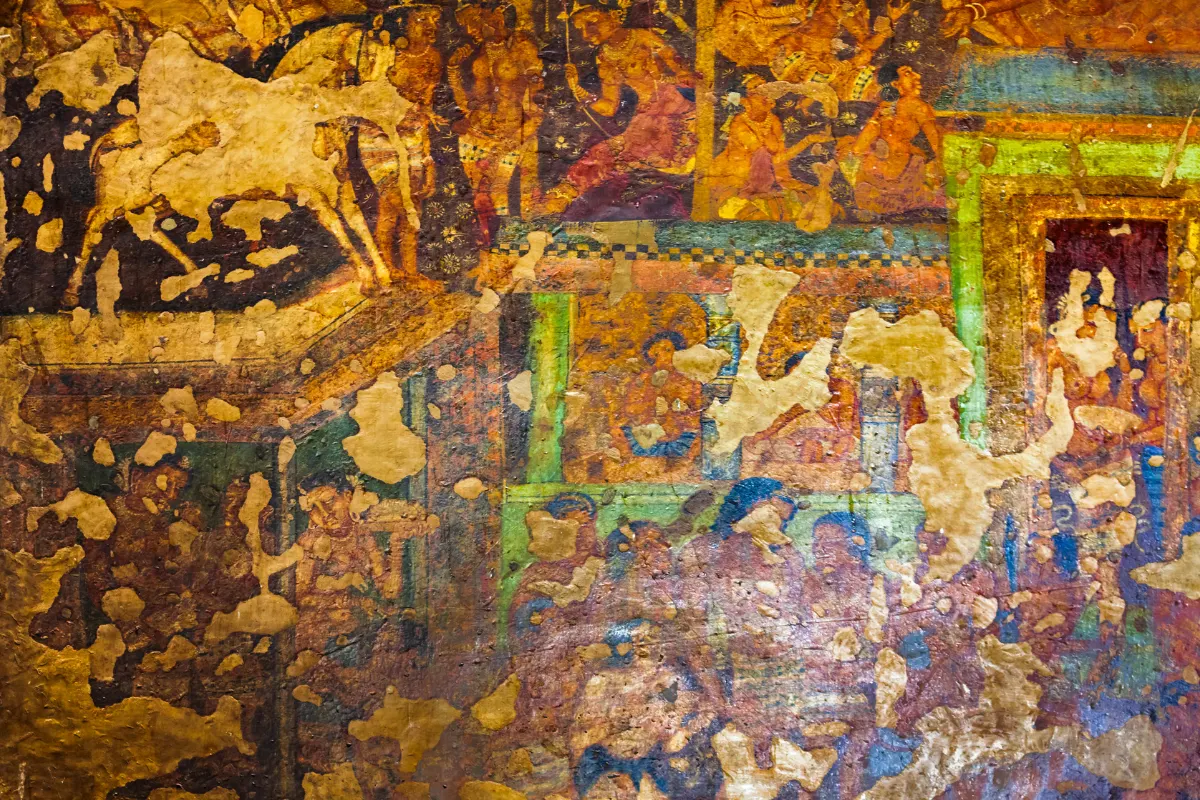
The Paintings of Ajanta – Masterpieces of Ancient Indian Art
The surviving Ajanta paintings are one of the principal reasons the site holds such international importance.
Taking time to observe carefully is essential.
A guided Ajanta Caves tour can greatly enhance the visit by explaining scenes that might otherwise be difficult to interpret.
Ellora Caves – Three Religious Traditions in One Landscape
If Ajanta is celebrated particularly for Buddhist painting, Ellora impresses through the sheer ambition of its rock-cut architecture. t
Rather than treating every cave equally, a good Ellora Caves guided tour can focus on the most significant examples while explaining how the complex evolved over time.
Kailasa Temple – A Mountain Transformed into Architecture
At the heart of Ellora stands the breathtaking Kailasa Temple, Cave 16. dedicated to Lord Shiva, it is one of the most extraordinary rock-cut monuments in the world. u
For many travellers, Kailasa Temple becomes one of the unforgettable architectural highlights of an entire journey through India.
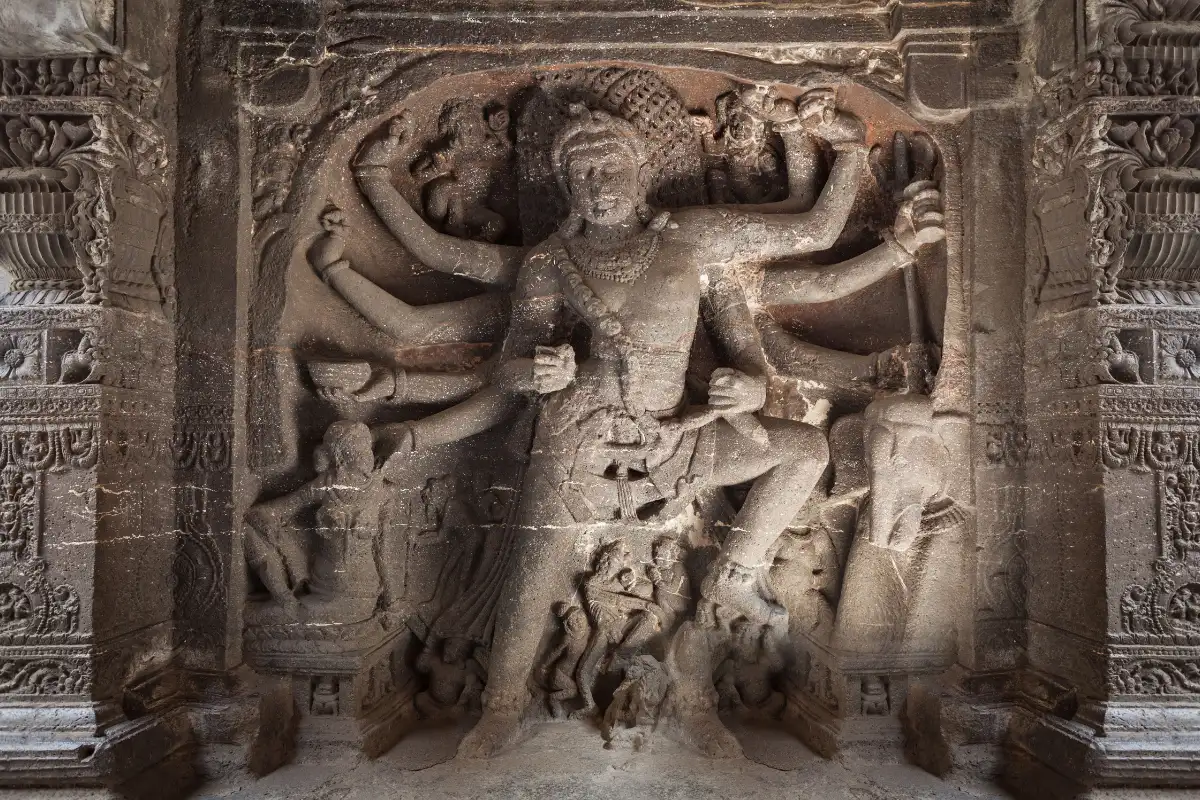
Read Hindu Mythology across the Walls of Kailasa
The Kailasa complex is not impressive only because of its engineering. its sculptural programme contains powerful representations connected with Shiva, Vishnu and episodes from Hindu mythology. l
Travellers who have already explored the temples of Khajuraho, Hampi, Badami, Belur or Halebidu will also find fascinating comparisons in the different ways Indian artists translated religious stories into stone.
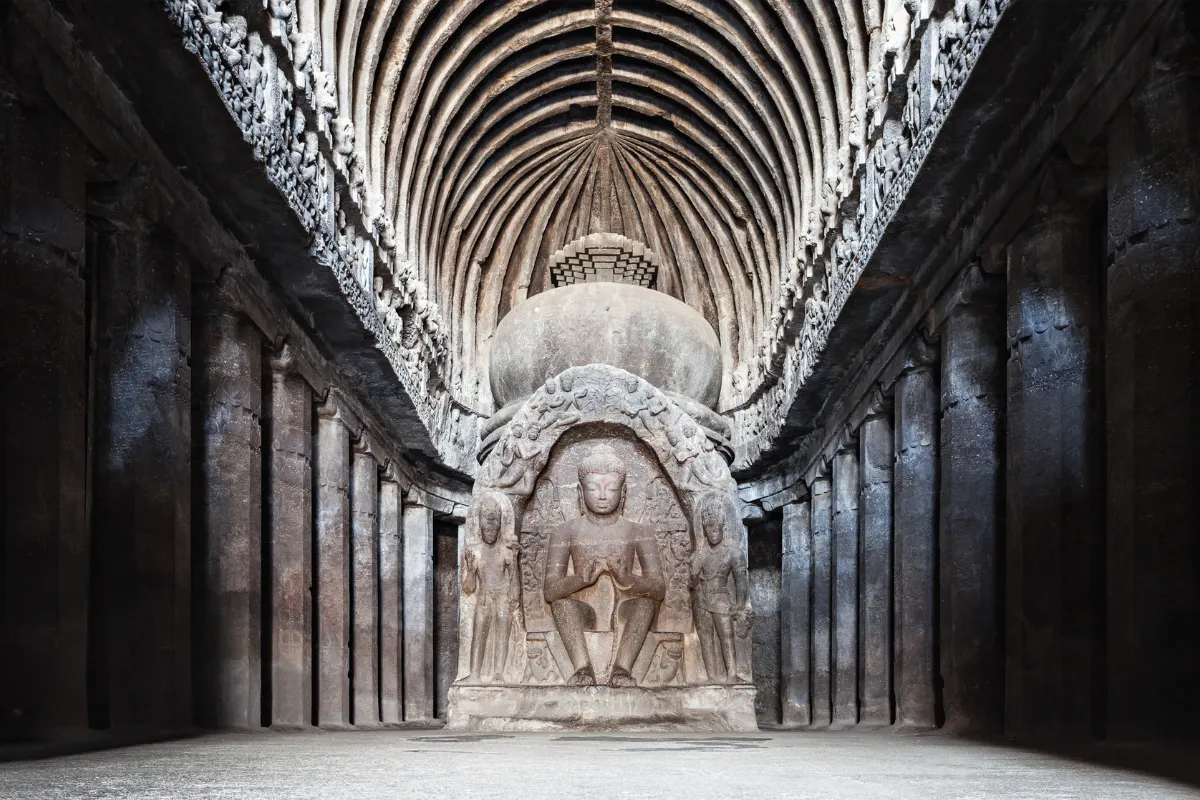
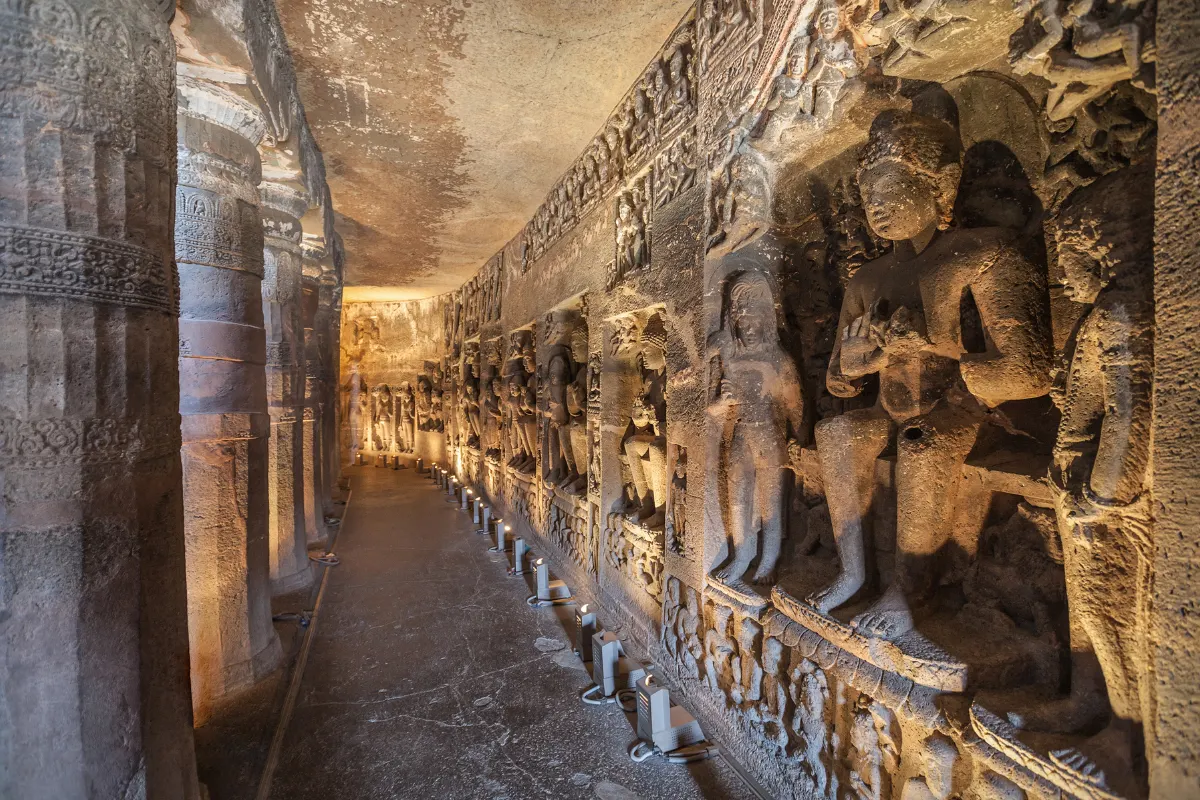
The Buddhist Caves of Ellora
Ellora's Buddhist monuments reveal another chapter of the site's history. t
These caves help travellers understand Ellora not as a single temple complex but as an evolving sacred landscape used by different religious communities over centuries.
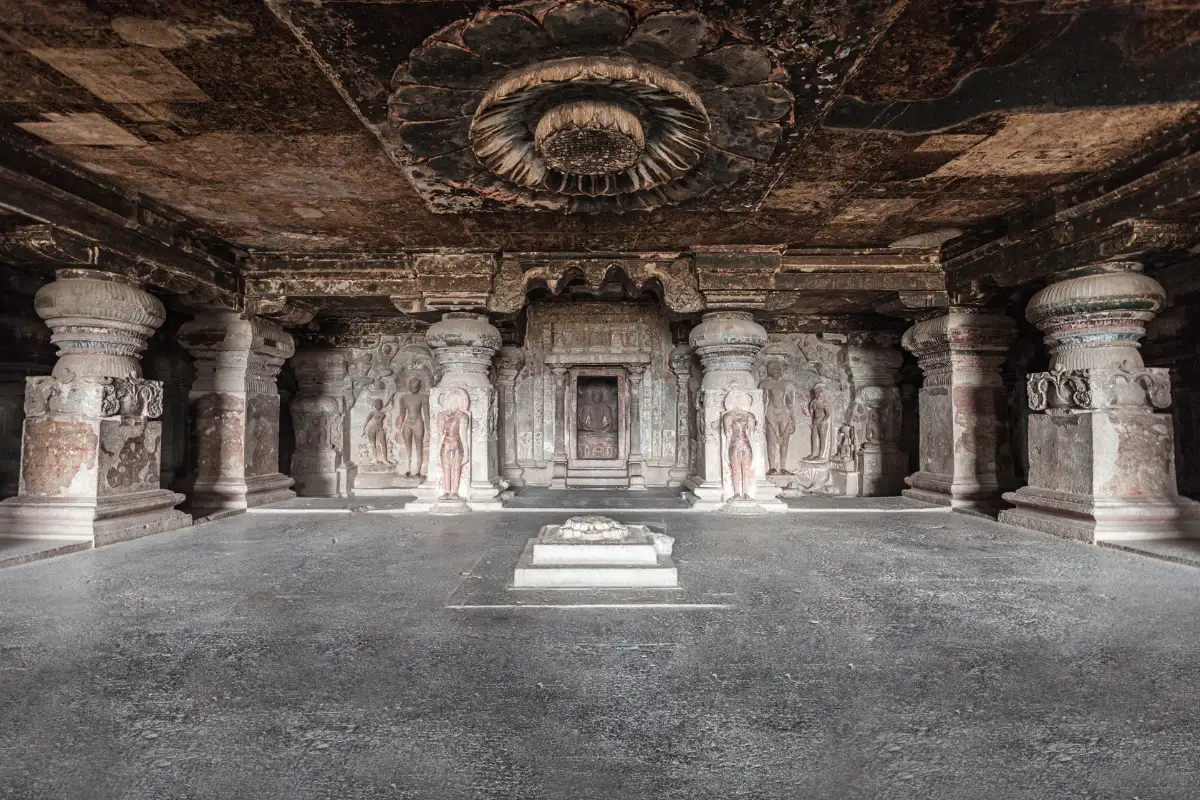
The Jain Caves – Refinement at the End of the Escarpment
The Jain caves at Ellora are fewer in number but contain beautiful architectural and sculptural details. t
Including Buddhist, Hindu and Jain monuments makes an Ellora visit much more meaningful than seeing only Kailasa Temple.
Grishneshwar Temple – A Living Sacred Site near Ellora
Close to the Ellora Caves stands Grishneshwar Temple, an important Hindu pilgrimage site dedicated to Lord Shiva and traditionally revered as one of the twelve Jyotirlingas. unlike the archaeological monuments of Ellora, this is a living place of worship. v
Combining Ellora with Grishneshwar provides an interesting contrast between ancient rock-cut sacred architecture and contemporary religious practice.
Daulatabad Fort – One of the Deccan’s Great Fortresses
Between Aurangabad and Ellora rises the formidable Daulatabad Fort, historically associated with Devagiri. b
Exploring the fort requires walking and climbing, but travellers who make the effort are rewarded with impressive views and a deeper understanding of medieval Deccan history.
Bibi Ka Maqbara – Mughal Elegance in the Deccan
Within Aurangabad itself, Bibi Ka Maqbara is the city's most recognisable monument. b
Late afternoon can be particularly pleasant for visiting.
Aurangabad Caves – A Quieter Archaeological Experience
Closer to the city are the Aurangabad Caves, a group of Buddhist rock-cut monuments that receive considerably fewer visitors than Ajanta or Ellora. a
They also reinforce an important point: the region around Aurangabad was a major centre of rock-cut religious architecture over a long historical period.
Panchakki – Water Engineering & Sufi Heritage
Another interesting site in Aurangabad is Panchakki, historically associated with a sophisticated water-powered mill system. t
It can be included when travellers have sufficient time for a more complete Aurangabad city tour.
Himroo – Discover a Textile Tradition of the Deccan
Aurangabad also has a longstanding association with Himroo weaving, a textile tradition for which the region became well known. v
It also provides an opportunity to meet craftspeople and understand how historic artistic traditions continue within contemporary Maharashtra.
Travellers sometimes ask whether they should visit Ajanta or Ellora if their time is limited. t
If possible, dedicate a separate day to each rather than attempting to combine both into an exhausting single excursion.
The period from October to March generally offers comfortable conditions for sightseeing. b
Ajanta and Ellora may also have different weekly closure arrangements, while access rules and timings can change. Current schedules should therefore be checked before finalising the itinerary.
For a rewarding first visit, allow at least three days / three nights in the region. o
Trying to see Ajanta and Ellora too quickly means losing much of the historical context that makes these sites exceptional.
Aurangabad fits naturally into a wider journey through western and central India. t
For those interested in India's architectural history, Aurangabad also creates an excellent bridge towards the heritage of Badami, Pattadakal and Hampi further south.
At Local Guide India, we believe Ajanta and Ellora are destinations where expert explanation can completely transform the experience. t
Aurangabad can also be incorporated into a private journey connecting Mumbai, Mandu, Maheshwar, Indore and other destinations across Maharashtra and Madhya Pradesh.
Enter caves carved more than a thousand years ago, stand before the monumental Kailasa Temple and follow the artistic journey from Buddhist Ajanta to the extraordinary sacred landscape of Ellora.
Top Things to do in Aurangabad: Ajanta & Ellora

Other Popular Tour Guides in Aurangabad: Ajanta & Ellora

All Photos (6)