
City Details
Explore Agra's Timeless Mughal Monuments, Rich Heritage, Culture, and Iconic Taj Mahal
Agra – Home of the Taj Mahal and India's Mughal Heritage
Agra, one of India's most iconic destinations, is a city where timeless romance, magnificent Mughal architecture, and centuries of history come together. Located on the banks of the Yamuna River in the state of Uttar Pradesh, Agra served as the capital of the Mughal Empire during the 16th and 17th centuries. The city reached its golden age under emperors Akbar, Jahangir, and Shah Jahan, who built some of the world's finest architectural masterpieces.
Today, Agra is best known as the home of the Taj Mahal, one of the Seven Wonders of the World and a UNESCO World Heritage Site. Beyond the Taj, the city boasts grand forts, beautiful gardens, vibrant markets, and delicious Mughlai cuisine, making it one of the most popular tourist destinations in India. Whether you are visiting for history, architecture, photography, or culture, Agra offers an unforgettable journey into India's glorious past.
Top Tourist Attractions in Agra
Agra is home to three UNESCO World Heritage Sites and countless architectural gems that reflect the grandeur of the Mughal Empire. Every monument tells a story of love, power, and artistic excellence.
Taj Mahal – The Symbol of Eternal Love
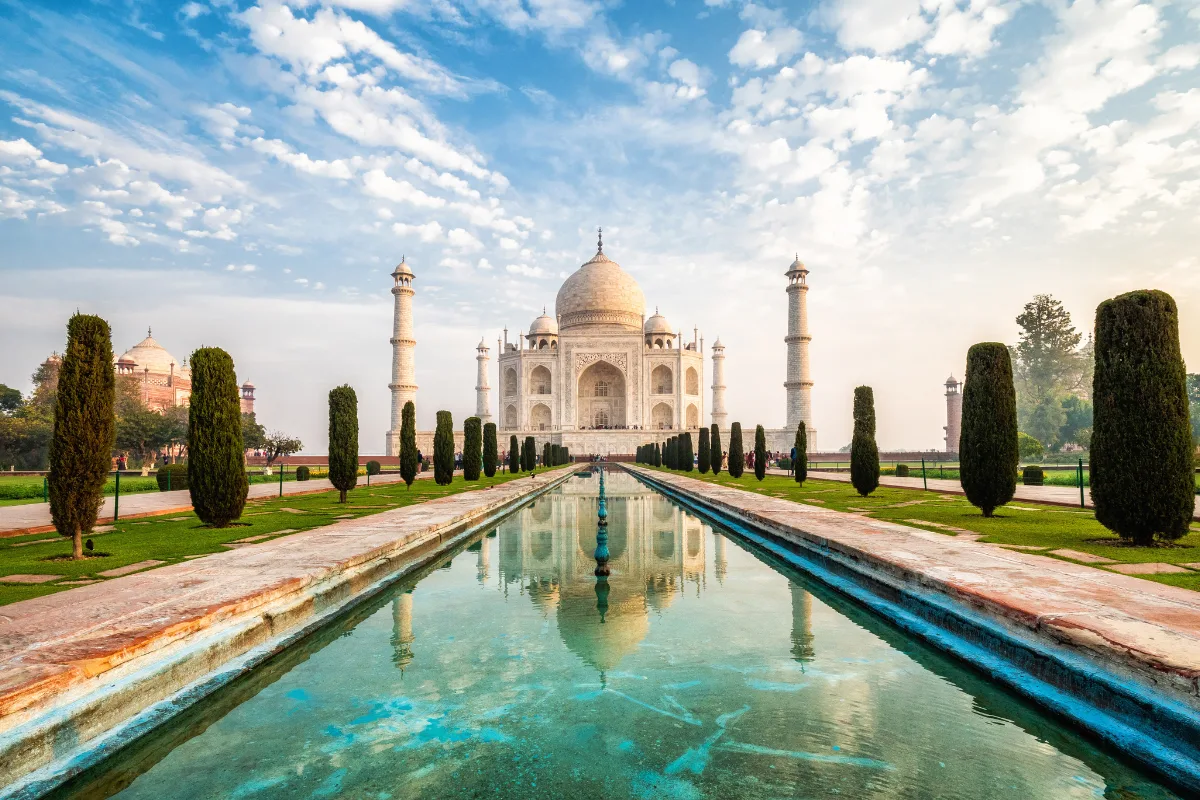
No visit to Agra is complete without seeing the magnificent Taj Mahal, one of the most beautiful buildings ever created. Commissioned by Emperor Shah Jahan in 1632 in memory of his beloved wife Mumtaz Mahal, this white marble masterpiece took over 20 years to complete and involved thousands of artisans from across Asia.
The Taj Mahal is admired for its perfect symmetry, intricate marble inlay work, Quranic calligraphy, and beautifully landscaped Mughal gardens. The monument changes colour throughout the day, appearing soft pink at sunrise, dazzling white under the midday sun, and golden during sunset.
Local Expert Tip: Visit at sunrise for cooler temperatures, fewer crowds, and the most spectacular photographs.
Agra Fort
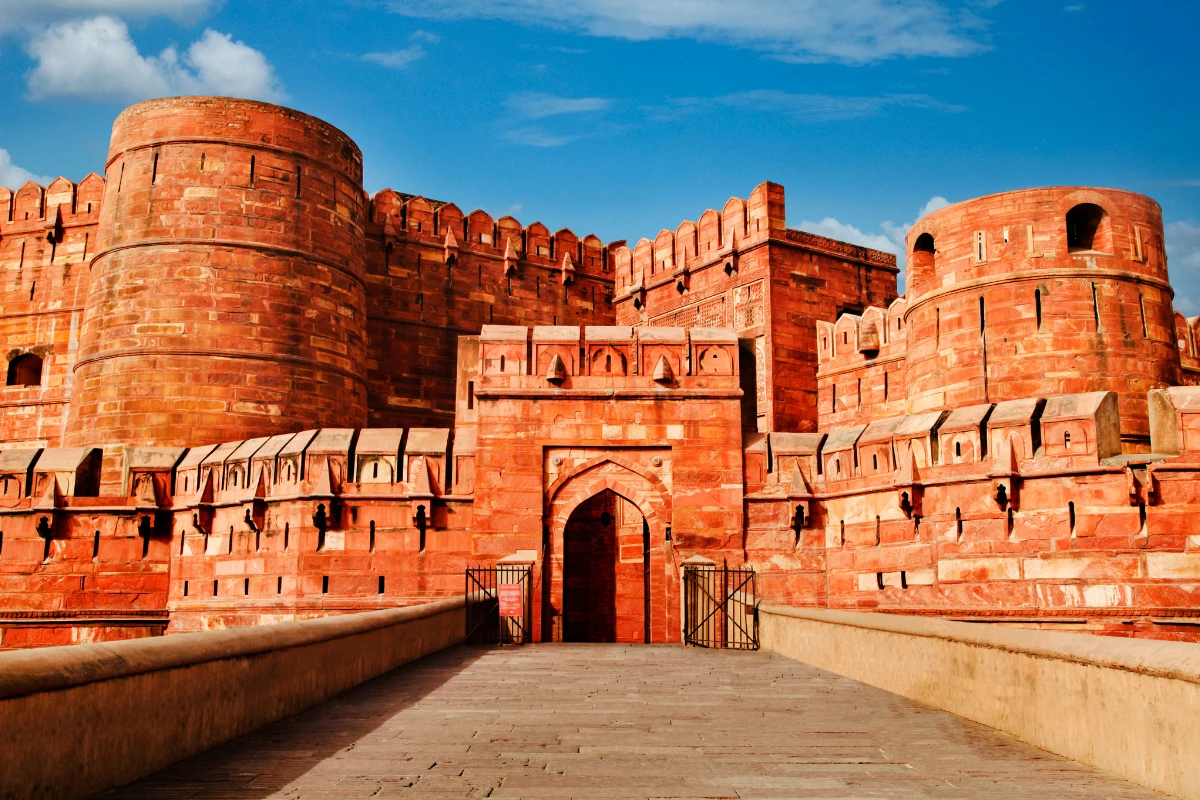
Located just 2.5 kilometres from the Taj Mahal, Agra Fort is another UNESCO World Heritage Site and one of India's finest Mughal forts. Built by Emperor Akbar in 1565 using red sandstone and later expanded by Shah Jahan with white marble palaces, the fort served as the royal residence for generations of Mughal emperors.
Visitors can explore the Diwan-i-Am, Diwan-i-Khas, Jahangiri Mahal, Musamman Burj, and beautiful courtyards while enjoying stunning views of the Taj Mahal across the Yamuna River.
Fatehpur Sikri
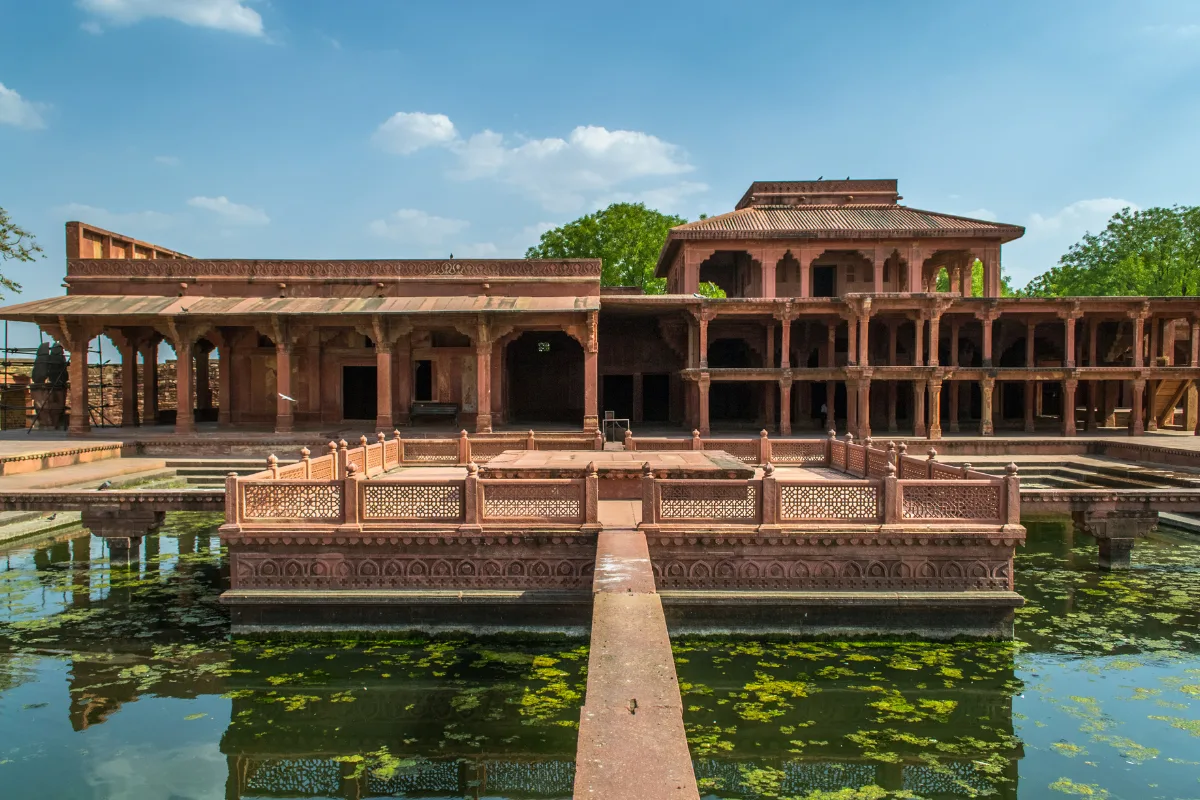
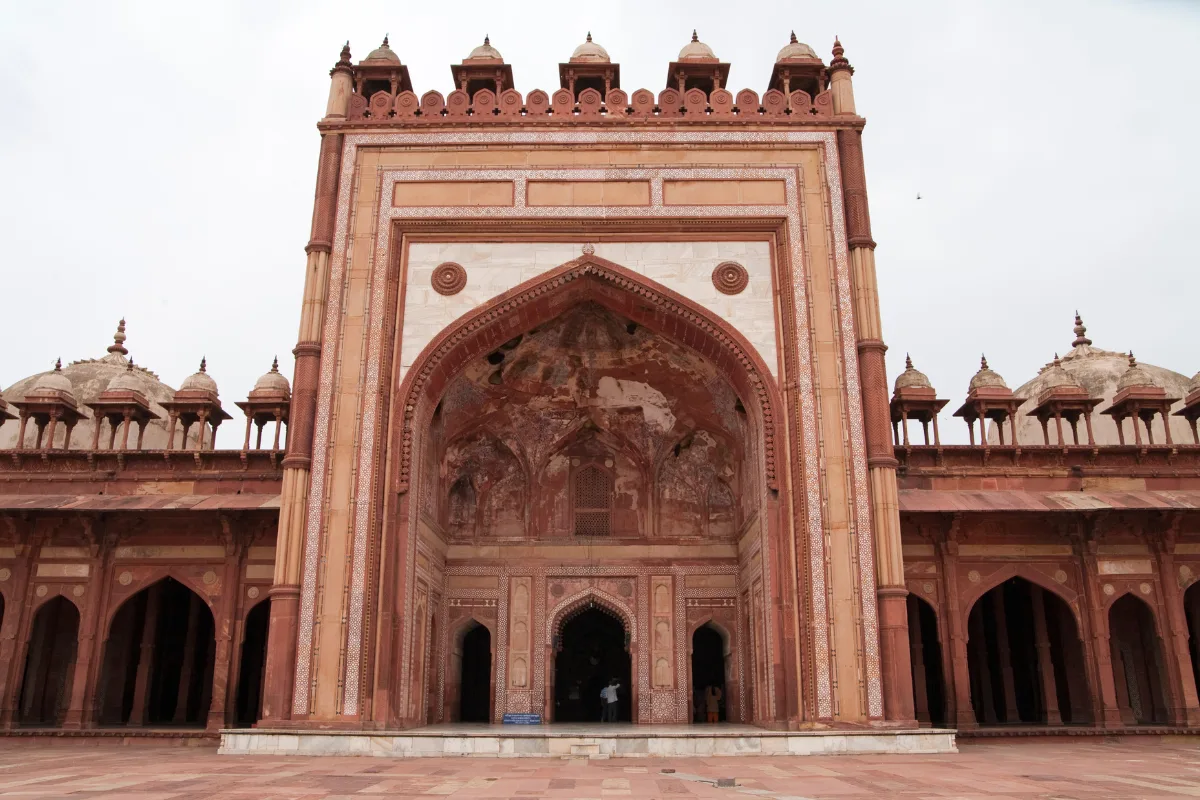
Approximately 40 kilometres from Agra lies Fatehpur Sikri, the magnificent abandoned capital built by Emperor Akbar in the late 16th century.
This UNESCO World Heritage Site features remarkable monuments including Buland Darwaza, Jama Masjid, Panch Mahal, Diwan-i-Khas, Jodha Bai's Palace, and the revered Tomb of Salim Chishti. Despite being occupied for only a short period, Fatehpur Sikri remains one of the finest examples of Mughal city planning.
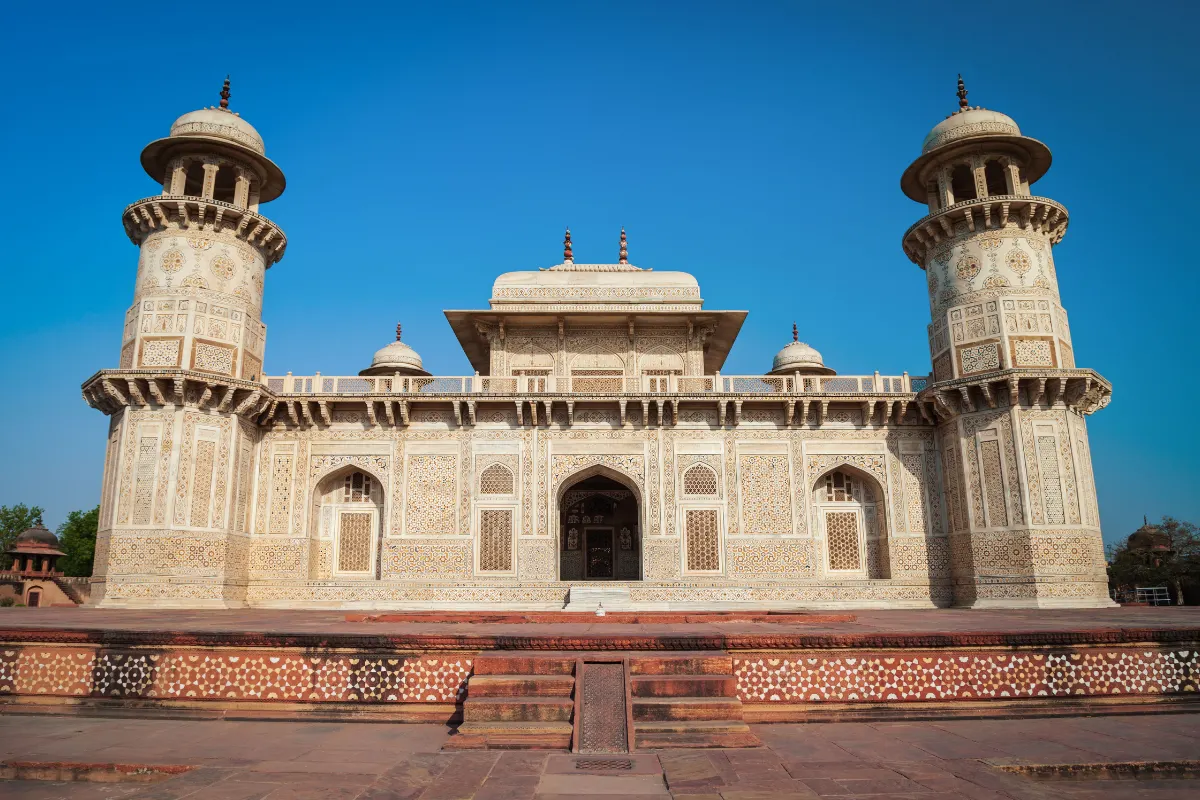
Itmad-ud-Daulah – The Baby Taj
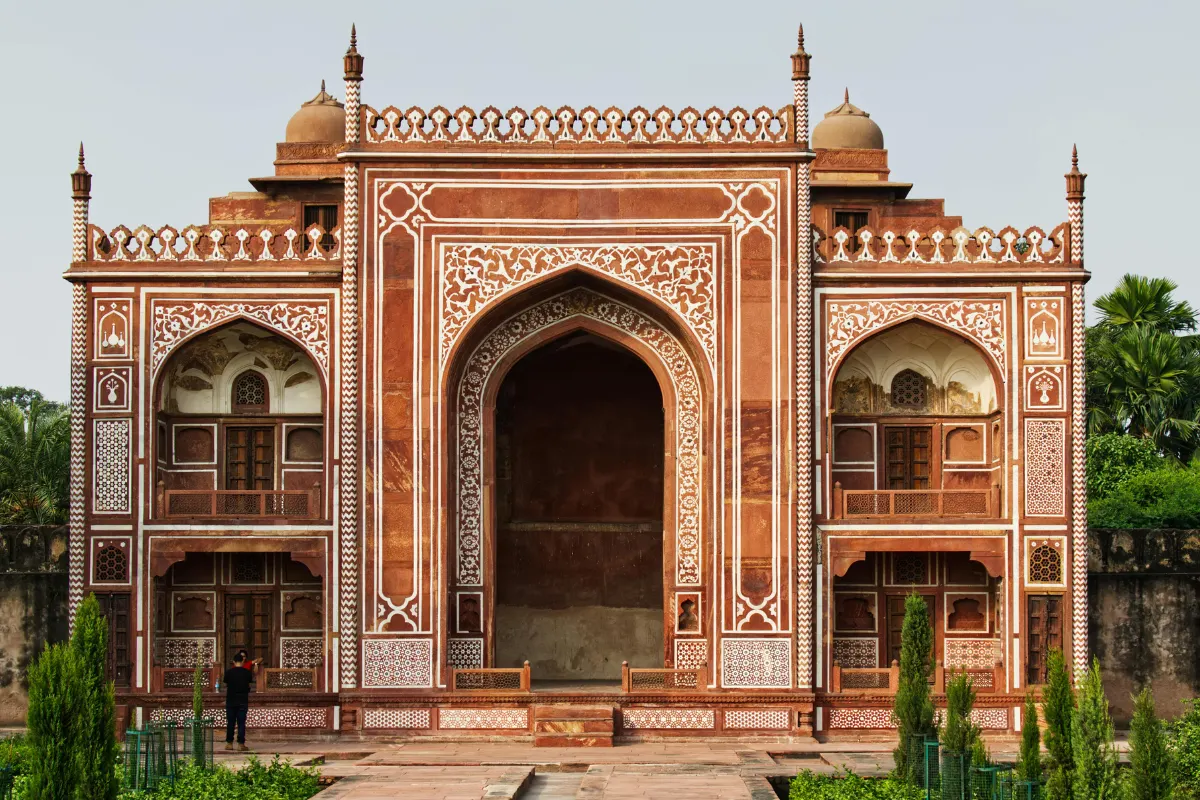
Often referred to as the Baby Taj, the Tomb of Itmad-ud-Daulah is considered the architectural inspiration for the Taj Mahal.
Built entirely from white marble with exquisite pietra dura inlay work, this elegant monument offers a quieter and more intimate experience than the city's larger attractions.
Hidden Gems in Agra
Beyond its world-famous monuments, Agra offers several lesser-known attractions that deserve a place on every itinerary.
Mehtab Bagh, located directly opposite the Taj Mahal across the Yamuna River, offers one of the finest panoramic views of the monument, especially at sunset.
Kinari Bazaar is one of Agra's oldest markets, where visitors can explore narrow lanes filled with traditional textiles, handicrafts, spices, jewellery, and local sweets.
Nature lovers can visit Keetham Lake (Sur Sarovar Bird Sanctuary), located just outside Agra, which attracts numerous migratory birds during the winter months.
Temples and Spiritual Sites
Although Agra is famous for its Mughal heritage, the city is also home to several important religious landmarks.
The Mankameshwar Temple, dedicated to Lord Shiva, is one of Agra's oldest Hindu temples and attracts thousands of devotees throughout the year.
The beautiful Jama Masjid, built by Shah Jahan's daughter Jahanara Begum, is among India's largest Mughal mosques and an important place of worship.
Located a short drive from the city, Akbar's Tomb at Sikandra combines Persian, Islamic, Hindu, and Jain architectural styles and serves as the final resting place of Emperor Akbar.
Things to Do in Agra
Watching the sunrise over the Taj Mahal is an unforgettable experience and one of India's greatest travel moments.
Take a guided walking tour through Agra's old city to discover hidden streets, local markets, and traditional Mughal architecture.
Visit a marble inlay workshop where skilled artisans continue the centuries-old craftsmanship used in decorating the Taj Mahal.
Food lovers can join a Mughlai food tour and sample authentic local dishes while learning about the city's culinary traditions.
For a peaceful evening, enjoy a walk through Mehtab Bagh as the Taj Mahal reflects the changing colours of the setting sun.
Shopping Guide
Agra is famous for its marble handicrafts, leather products, carpets, jewellery, and traditional sweets.
Visitors can browse beautiful marble inlay souvenirs inspired by the Taj Mahal, handcrafted leather shoes, fine carpets, embroidered textiles, brassware, and handmade decorative items.
Popular shopping areas include Sadar Bazaar, Kinari Bazaar, and Subhash Bazaar, where visitors can experience the lively atmosphere of Agra's traditional markets.
Local Tip: Purchase marble products only from reputable government-certified emporiums or trusted family workshops to ensure authentic craftsmanship.
Where to Eat in Agra
Agra's cuisine blends rich Mughal flavours with North Indian traditions.
Pinch of Spice is one of the city's highest-rated restaurants, known for its delicious Mughlai and North Indian dishes.
Peshawri at ITC Mughal offers an exceptional fine-dining experience inspired by the royal kitchens of the Mughal Empire.
For spectacular views of the Taj Mahal, Saniya Palace Restaurant provides rooftop dining with panoramic scenery.
No visit to Agra is complete without trying the city's famous Petha, a translucent sweet made from ash gourd that has become synonymous with Agra.
Other local favourites include Mughlai Biryani, Butter Chicken, Nihari, Bedai with Aloo Sabzi, Dalmoth, and traditional Lassi.
Festivals in Agra
Agra celebrates a vibrant calendar of cultural and religious festivals.
The Taj Mahotsav, held every February, is one of India's most famous cultural festivals, showcasing folk music, dance, handicrafts, traditional cuisine, and artisans from across the country.
During Diwali, Agra's monuments and markets are illuminated with thousands of lights, creating a magical atmosphere.
Holi, the Festival of Colours, fills the city with music, celebrations, and joyful gatherings.
The annual Ram Barat Festival is one of North India's grandest religious processions, recreating the wedding procession of Lord Rama.
Best Time to Visit Agra
The best time to visit Agra is from October to March, when daytime temperatures range between 10°C and 28°C. This pleasant weather is ideal for exploring monuments, photography, and walking tours.
The monsoon season between July and September brings lush gardens and fewer crowds, while summer from April to June can be extremely hot but offers quieter tourist sites and attractive hotel prices.
Experience Agra with Local Guide India
At Local Guide India, we believe Agra is much more than the Taj Mahal. Our expert local guides introduce you to hidden viewpoints, artisan workshops, bustling bazaars, Mughal culinary experiences, and fascinating stories that most visitors never discover.
Whether you are planning a romantic getaway, a Golden Triangle tour, or a cultural holiday, we create personalised experiences that reveal the true spirit of Agra and its extraordinary Mughal heritage.
📱 WhatsApp: +91 8233335370
🌐 Website: www.localguideindia.com
Top Things to do in Agra

Other Popular Tour Guides in Agra

All Photos (6)